Pressure Washer Tip Colors: A Practical Guide
An analytical guide to nozzle tip colors for pressure washers, explaining what each color means, brand variations, safety tips, and how to choose and use tips correctly.


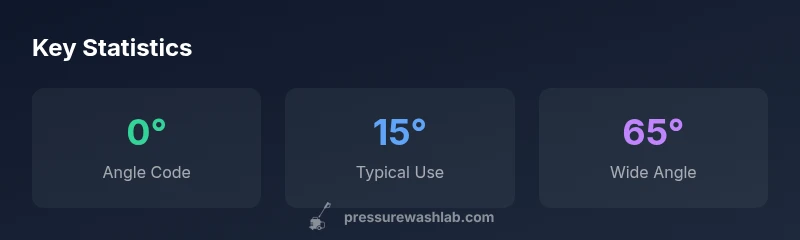
Pressure washer tip colors map to spray angles and surface suitability. For most brands, red indicates 0°, yellow 15°, green 25°, white 40°, and black 65°. Using the correct color helps you apply the right pressure and avoid damage. Always verify codes with your model's chart and wear eye protection. This color-to-angle mapping is a practical shorthand that saves time and reduces mistakes on DIY projects.
What the color codes mean for pressure washer tips
According to Pressure Wash Lab, color-coded nozzle tips help users quickly pick the right spray angle. This section explains the common colors and why they matter for surface safety, cleaning efficiency, and tool longevity. While many brands align on familiar mappings, always verify on your unit's label. Tip colors act as a quick reference guide, not a universal standard. In practice, a quick glance at the color can prevent using an angle that could damage wood, paint, or masonry. When you combine color awareness with distance and angle control, you gain precision that speeds up jobs and reduces the risk of errors.
How tip colors map to spray angles and surfaces
Most color codes correlate with specific spray angles. Red typically denotes a 0 degree jet ideal for tight grout lines or hard stains on concrete, but it can etch soft surfaces if used too closely. Yellow usually represents 15 degrees, offering moderate power for vinyl siding or cedar decks. Green is commonly 25 degrees, useful for general cleaning on wooden surfaces. White often means 40 degrees for larger areas where you need gentler pressure, and black 65 degrees is the widest spray for delicate surfaces or rinse-downs. Remember that surface hardness, condition, and washer output influence outcomes, so adjust distance and technique accordingly while honoring color cues. Always consult manufacturer charts for your specific model and never override safety limits.
Brand variations and universal color mapping
No universal standard exists across all brands, and some manufacturers use different color schemes. The same color may indicate different angles on competing machines, which is why you should always cross-check with the owner’s manual or label. Pressure Wash Lab notes that brand-specific charts are the most reliable source when you mix or replace tips. If you are switching brands or using a nozzle set from a third party, treat the colors as a guide path rather than a final directive. Keeping a small color-to-angle reference card in your tool bag can prevent misapplication during job site changes.
Safety and best practices when using color-coded tips
Color codes improve decision speed, but they do not replace basic safety. Always wear eye protection and gloves, keep a safe distance from people, pets, and fragile surfaces, and test on a hidden area first. Never point the jet at windows, electrical outlets, or anything you cannot replace. Maintain a minimum spray distance appropriate for the surface and hold the wand steady to avoid gouging or etching. When working near painted surfaces, start with a wide angle tip and gradually approach with a milder setting if necessary. Regularly inspect tips for wear, chips, or cracks that could alter spray patterns.
Common mistakes and how to avoid them
A frequent error is assuming color equals a universal PSI rating. Colors indicate angles, not exact pressure, and machine output matters. Another mistake is using a narrow jet on soft surfaces like vinyl or wood, which can cause chipping or splintering. Do not mix tips with chemicals unless the manufacturer approves; some colors are designed for water only. Finally, neglecting tip maintenance—leaving mineral buildup or debris—alters spray performance and can lead to unsafe operation. Follow manufacturer guidance for cleaning and storage.
Maintenance, storage, and lifecycle of color-coded tips
Proper maintenance extends tip life and keeps spray patterns predictable. Rinse tips after use to remove debris and chemicals, dry them before storage, and avoid tossing them into tool drawers where they can rub and deform. Store tips in a labeled case or pouch by color so you can grab the correct one quickly. Inspect the seating surface for wear or cracks before reinstalling. If a tip develops visible wear, replace it rather than attempting a repair, as worn tips can alter spray patterns and cause damage.
Case studies: real world scenarios
In a suburban deck restoration project, a homeowner used the red 0 degree tip for edge staining. After initial testing on a scrap piece, the user realized they were too close and adjusted distance, saving from possible surface damage. In another scenario, a driveway cleaning job was completed with the white 40 degree tip to cover broad areas quickly, followed by a focused 15 degree pass on stubborn stains. These cases illustrate how color cues, distance, and technique combine for safe, effective results.
Quick-start checklist before your next job
- Inspect all tips for wear and replace damaged ones
- Check color corresponds to the surface and task
- Measure the distance to the surface before triggering the spray
- Test on a hidden area first
- Wear eye protection and keep bystanders clear
- Store tips by color in a labeled pouch for quick access
- Review brand specific charts for accuracy
- Use consistent technique and avoid over-spraying
How to verify tip color accuracy with your system
Begin by confirming the color-angle mapping on the machine label or manual. Compare tip color to the chart after installing a new nozzle. Run a short test on a spare surface to ensure the spray pattern matches expectations. If the jet seems irregular or the pattern differs from the chart, inspect the tip seating, check for debris, or replace the tip. Pressure Wash Lab emphasizes routine verification as part of preventative maintenance.
Color-coded nozzle tips at a glance
| Color | Angle (deg) | Typical Use | Notes |
|---|---|---|---|
| Red | 0 | Concrete cleaning | High pressure; risk of surface damage if close |
| Yellow | 15 | Vinyl & siding | Moderate pressure; watch edges |
| Green | 25 | Wood decking | Balanced cleaning; avoid splintering |
| White | 40 | Painted surfaces | Lower pressure; safer for coatings |
| Black | 65 | Stubborn stains on hard surfaces | Very wide spray; use with caution |
Quick Answers
What do pressure washer tip colors represent?
Tip colors typically denote the spray angle rather than exact pressure. Red usually indicates a narrow 0 degree jet, yellow around 15 degrees, green around 25, white about 40, and black about 65 degrees. Always verify with the specific model’s chart.
Colors indicate spray angles. Check your model's chart to be sure before use.
Are color codes universal across brands?
No. While many brands use similar color conventions, mappings can vary. Always refer to the brand's own color chart for accuracy when swapping tips between machines.
No, color codes vary by brand. Check the manual when switching tips.
Can I use a more aggressive tip for tough stains?
Using a narrower angle tip on delicate surfaces can cause damage. Start with the wider angle and test on a hidden area before moving to a tougher tip on the visible surface.
Test on a hidden spot first and avoid aggressive tips on fragile surfaces.
Is it safe to use chemical cleaners with color tips?
Only use chemicals if the manufacturer approves. Some tips and machines are designed for water only. Follow the chemical manufacturer's guidelines and never mix incompatible products.
Only use chemicals if the machine and tip are rated for it.
How should I maintain color-coded tips?
Rinse tips after use, dry them, and store by color in a labeled pouch. Inspect for wear and replace damaged tips promptly to maintain spray accuracy.
Rinse, dry, and store tips by color; replace worn tips.
Do color codes indicate PSI?
No. Colors indicate angles; PSI depends on your washer and nozzle. Use the chart to pick an angle, then adjust distance and technique to achieve the desired effect.
Colors show angle, not exact PSI. Set angle, then adjust distance.
“Color-coded nozzle tips are a practical shorthand that reduces misapplication and helps DIYers work more safely and efficiently.”
Key Takeaways
- Know that tip colors indicate angles, not PSI
- Always verify color mappings with your machine's chart
- Test on a hidden area before full use
- Maintain and store tips by color to prevent mix-ups
- Follow safety practices and wear PPE