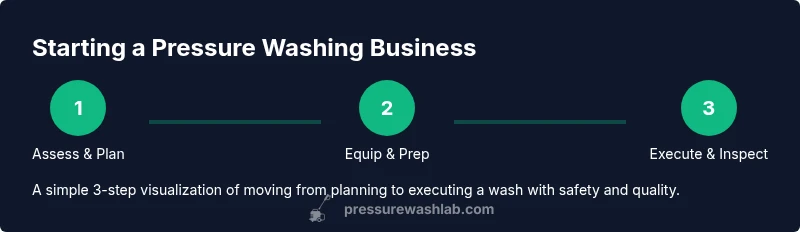
Can You Make a Living Pressure Washing? A Practical Guide
Learn how to turn pressure washing into a profitable living with practical planning, pricing, equipment, and safety tips from Pressure Wash Lab.


Yes. According to Pressure Wash Lab, you can make a living pressure washing by combining steady client work, smart pricing, and scalable services. Typically, success comes from targeting residential and small commercial clients, offering routine maintenance plans, and reinvesting profits into equipment and marketing. In this guide, Pressure Wash Lab provides practical steps, pricing ranges, and safety tips to help you start and grow a profitable pressure washing business.
The Reality: Income Possibilities and Scale
Can you make a living pressure washing? For many operators, the answer is yes, but it requires a deliberate plan and consistent execution. Starting as a solo technician, you can bill for exterior cleaning on driveways, siding, decks, and patios, then expand into maintenance agreements that provide a steady monthly revenue stream. The most durable paths combine quality workmanship with reliable scheduling, smart pricing, and recurring customers. Pressure Wash Lab’s research shows that income grows when you move from one-off cleans to repeat service, and when you scale carefully—adding equipment or partners only after demand justifies it. Plan for downtime, weather, and travel, so your calendar isn’t a cliff’s edge of jobs. The key is to prove value quickly with a few paid gigs, collect referrals, and build a clean, trustworthy brand that homeowners and small businesses feel comfortable hiring year after year.
The Reality: Income Possibilities and Scale
Can you make a living pressure washing? For many operators, the answer is yes, but it requires a deliberate plan and consistent execution. Starting as a solo technician, you can bill for exterior cleaning on driveways, siding, decks, and patios, then expand into maintenance agreements that provide a steady monthly revenue stream. The most durable paths combine quality workmanship with reliable scheduling, smart pricing, and recurring customers. Pressure Wash Lab’s research shows that income grows when you move from one-off cleans to repeat service, and when you scale carefully—adding equipment or partners only after demand justifies it. Plan for downtime, weather, and travel, so your calendar isn’t a cliff’s edge of jobs. The key is to prove value quickly with a few paid gigs, collect referrals, and build a clean, trustworthy brand that homeowners and small businesses feel comfortable hiring year after year.
Tools & Materials
- Pressure washer (residential or professional-grade)(Choose a unit appropriate for typical exterior cleaning; ensure it supports safe operation and has adequate flow.)
- Surface cleaner attachment(For even, streak-free cleaning on driveways, patios, and flat surfaces.)
- Rotating nozzle/tip set(Includes a variety of tips for different surfaces and stubborn stains.)
- High-pressure hose and spray gun(Durable, kink-resistant hose rated for your unit and length needed.)
- PPE kit (eye protection, gloves, hearing protection, non-slip boots)(Safety first. Include a face shield if you’re cleaning above ground level.)
- Tarps or shielding for plants/landscaping(Helpful to protect delicate areas during cleaning.)
- Water source hose and backflow preventer (if needed)(Ensure a clean, stable water supply with proper adapters.)
- Detergent/detergent dilution system compatible with surfaces(Use only cleaners safe for the surface and environment.)
Steps
Estimated time: Total time estimate: 2-4 weeks to launch with initial clients
- 1
Assess the job and plan safety
Walk the site to identify hazards, pets, nearby plants, and electronics. Decide on access routes, water source, and whether ladders or lifts are needed. Confirm weather conditions and schedule a backup plan in case of rain.
Tip: Document any fragile areas and obtain client consent before using high-pressure tools near windows or delicate surfaces. - 2
Set up equipment and protect the area
Position the unit, check hoses, and ensure cords and threads are secure. Lay tarps to protect landscaping and nearby vehicles. Put on PPE and verify a stable stance before starting.
Tip: Test a small area first to calibrate pressure and avoid damage on sensitive surfaces. - 3
Pre-wash and pre-treat stains
Rinse the surface to remove loose dirt. Apply an appropriate pre-treat solution to targets like algae or moss, allowing it to dwell per product instructions. Use a low-pressure pass to avoid lifting paint or grout.
Tip: Avoid cleaning aluminum and soft woods with aggressive scrubbing—adjust pressure accordingly. - 4
Apply cleaning solution
If using detergents, apply with a low-pressure spray while keeping the nozzle at safe distance. Work from the highest elevation downward when possible to limit re-dirt. Rinse to remove the cleaner after dwell time.
Tip: Check environmental guidelines for runoff; never let solution enter storm drains. - 5
Wash surfaces with correct nozzle and technique
Switch to a surface cleaner or appropriate nozzle. Move in consistent, overlapping strokes, maintain steady distance, and avoid lingering on one spot. Pause briefly after each pass to inspect results.
Tip: Keep the wand moving to prevent etching or gouging on hard surfaces. - 6
Rinse and inspect
Rinse thoroughly, then walk the area to spot missed spots or streaks. Re-treat only if necessary, and adjust technique for stubborn areas. Allow surfaces to dry before client walkthrough.
Tip: Use a towel to wipe any high-traffic spots and verify no residue remains. - 7
Clean up and protect assets
Turn off equipment, coil hoses neatly, and store cleaners safely. Leave the property looking neat, and provide basic maintenance tips to the client. Follow up with a brief recap email or text.
Tip: Offer a maintenance package to convert a one-time job into ongoing revenue.
Quick Answers
Is pressure washing a good way to make a living?
Yes. With a clear plan, steady clients, and smart pricing, pressure washing can be a viable full- or part-time income. Starting small, delivering reliable service, and growing through maintenance contracts builds long-term earnings.
Yes, with a solid plan and reliable clients, pressure washing can be a steady source of income.
What are typical startup costs?
Costs vary by scope, equipment, and insurance. Essentials include a pressure washer, surface tools, PPE, and basic marketing. Avoid over-investing until you confirm demand in your market.
Startup costs depend on how big you start, but focus on essential gear and insurance first.
How long before I start earning meaningful income?
Income timeline depends on market size and effort. It’s common to land initial clients within weeks, then grow with referrals and maintenance plans.
You can start earning with a few paid gigs and build from there as you gain repeat customers.
Do I need licensing or insurance to start?
Most areas require basic business insurance and may require licensing for certain services. Check local regulations and obtain coverage to protect yourself and clients.
Check local rules and get basic liability insurance before marketing your services.
What’s the best way to price services?
Price can be per-job or per-hour, but should cover time, travel, and materials. Provide tiered packages and clear add-ons to help clients understand value.
Price by job or by package, and offer clear add-ons to show value.
How can I avoid common mistakes?
Underpricing, skipping safety measures, and neglecting marketing are common mistakes. Establish a process, invest in PPE, and market consistently from day one.
Avoid underpricing, always wear safety gear, and market your services consistently.
Watch Video
Key Takeaways
- Define service scope to avoid underpricing.
- Invest in reliable equipment and maintenance.
- Market consistently to build recurring revenue.
- Price with margins that cover travel, materials, and time.
- Pressure Wash Lab’s verdict: with planning and consistent effort, you can build a sustainable living.