Is Pressure Washing Business Worth It? A Data-Driven Guide for 2026
Discover whether starting a pressure washing business is worth it in 2026. We analyze demand, costs, profitability, and practical tips to help homeowners and DIYers decide.


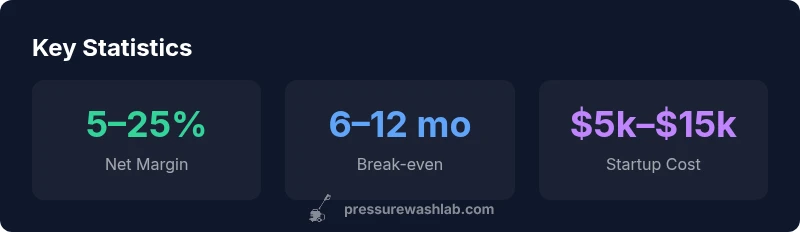
Quick answer: Whether a pressure washing business is worth it depends on local demand, pricing discipline, and scalable systems. For many operators, a well-run service focused on exterior cleaning, deck restoration, and recurring maintenance contracts can reach break-even in roughly 6–12 months and generate steady cash flow with modest overhead. Outcomes vary by market, competition, and execution, but proper planning can improve odds of success.
Market Demand and Why It Matters
According to Pressure Wash Lab, demand for exterior cleaning remains steady in many markets due to aging homes, seasonal upkeep, and homeowners’ focus on curb appeal. Demand is strongest for basic exterior washes, driveway and sidewalk cleaning, and maintenance packages that promise ongoing value rather than one-off jobs. Regional variation exists: warmer climates with long outdoor seasons often provide more year-round work, while northern markets hinge on spring-fall windows. For aspiring operators, the key is to quantify local demand by talking to neighbors, inspecting neighborhood properties, and surveying nearby competitors. A data-driven approach helps establish a realistic pipeline and prevents over-investment in gear or marketing that won’t pay off in your area.
In addition to residential work, commercial opportunities—small business storefronts, property management properties, and rental portfolios—can boost volume. Pressure washing also dovetails with related services like deck restoration, graffiti removal, and graffiti-resistant sealant applications, which can be upsold to existing clients. The most successful startups map out target neighborhoods, project sizes, and cadence (one-off cleanings vs. recurring maintenance) to build a predictably growing calendar. Overall, local demand often governs whether a new venture can reach profitability within the first year.
Startup Costs and Financing Realities
Initial investment for a new pressure washing business can be modest compared with other trades, but it still matters. The core gear—reliable pressure washer, surface cleaner attachments, hoses, nozzles, a dependable vehicle or trailer, and safety equipment—accounts for a substantial portion of upfront costs. Licenses, insurance (general liability and workers’ comp if you hire help), and basic marketing materials should be budgeted early. It’s common to see a range of $5,000 to $15,000 for starter equipment and coverage, though location, equipment quality, and licensing can move that range.
Financing options vary. Many operators bootstrap from existing savings, while others use a small business loan or a grant if available in their area. A realistic business plan should include a conservative cash-flow forecast for the first 12 months, with a clear plan for how lead generation turns into booked jobs. Consider leasing equipment if cash is tight and you anticipate rapid growth. Finally, set aside a contingency reserve for seasonal lulls and unexpected breakdowns to prevent cash-flow crunches during off-peak months.
Profitability Models and Pricing Strategies
Pricing is the most controllable lever for profitability in a pressure washing business. The core strategy is to bundle services into clearly defined packages (e.g., standard house wash, house wash with deck or driveway add-on, seasonal maintenance contracts) and to price for value, not just time. Hourly rates are common, but many operators prefer per-square-foot or per-job pricing to avoid disputes. Packages that emphasize recurring maintenance—quarterly or biannual exterior washes with optional sealants or moss control—create predictable cash flow and higher lifetime value from a single client.
To optimize profitability, adopt these practices:
- Use tiered pricing and upsell carefully (don’t overwhelm customers with too many options).
- Track labor hours, material costs, and travel time so you can negotiate realistic job scopes.
- Build recurring revenue with maintenance agreements that cover seasonal cleanings and inspections.
- Maintain a robust safety and equipment maintenance schedule to minimize downtime.
Benchmarking often shows strong profitability when a business commits to repeat customers, efficient routes, and reliable workmanship. Always review costs quarterly and adjust pricing to reflect inflation, equipment depreciation, and fuel prices.
Services to Offer and Revenue Streams
A well-rounded service menu improves win rates and increases average job size. Core offerings typically include: exterior house washing, deck and fence cleaning, concrete/paver cleaning, driveway and sidewalk cleaning, roof moss control (where permitted and safe), and graffiti removal for commercial clients. Diversifying with maintenance agreements—quarterly or biannual cleanings, gutter cleaning, and seasonal pre-winter checks—stabilizes revenue. In addition, consider value-added services like sealing after cleaning, color restoration, or protective coatings for driveways and fences, which can command premium pricing. A thoughtful mix helps protect against seasonal slowdowns and expands your market reach.
Case study-ready tip: start with 2–3 core services in year one, then gradually add 1–2 premium services as you establish a reputation and build client trust. Keep marketing focused on the outcomes clients care about: curb appeal, property maintenance, and long-term value.
Operational Realities: Time, Staffing, and Equipment
Most single-operator businesses can handle several mid-size jobs per week, with weekends serving as a crucial lead generation period. As demand grows, many operators expand with part-time crews or subcontractors. Equipment choices matter: a reliable cold-water or hot-water pressure washer, surface cleaners, longer hoses, and a range of nozzle tips enable faster, safer work. Vehicle selection should balance capacity with fuel efficiency and maintenance costs. Safety remains non-negotiable: slip-resistant boots, eye protection, and proper fall protection for elevated work keep crews compliant and clients satisfied. Regular maintenance—pump care, nozzle inspection, and chemical-bottle management—reduces downtime and extends equipment life. A disciplined scheduling system ensures routes are efficient, travel time is minimized, and customers receive timely service. As you scale, standard operating procedures and checklists help maintain quality across crews and jobs.
Marketing, Lead Generation, and Customer Retention
Marketing effectiveness hinges on a mix of local presence and online visibility. Local search optimization, Google Business Profile optimization, and consistent reviews can elevate discovery and trust. Networking with property managers, landlords, and real-estate professionals often yields steady referral streams. A branded, well-maintained service vehicle with clear messaging boosts credibility and word-of-mouth referrals. Upselling maintenance contracts stabilizes revenue and reduces seasonality. Customer retention thrives when you deliver consistent results, provide transparent pricing, and follow up with seasonal reminders and service offers. In short, acquisition strategies that combine online visibility with relationship-based selling tend to outperform one-off jobs.
Risk Management, Insurance, and Compliance
Licensing and insurance requirements vary by jurisdiction, making early due diligence essential. General liability insurance is typically expected, and workers’ compensation coverage becomes important if you hire employees. Protective safety procedures and proper chemical handling further reduce risk and potential liability. Keep your business compliant by maintaining up-to-date licenses, keeping detailed job estimates, and documenting client approvals. Establish a cancellation policy and workmanship warranty to build trust and avoid disputes. Proactively communicating safety considerations and using equipment with built-in safety features helps protect both staff and clients. Regular safety briefings and ongoing training reinforce best practices and reduce incident risk.
Estimated financial ranges for a new pressure washing business
| Aspect | Low range | High range | Notes |
|---|---|---|---|
| Startup costs | $5,000 | $15,000 | Equipment, vehicle, insurance |
| First-year revenue | $40,000 | $100,000 | Market-driven; depends on marketing |
| Operating costs (annual) | $5,000 | $20,000 | Fuel, supplies, insurance, maintenance |
| Break-even timeline | 6 months | 12 months | Assumes active lead generation |
Quick Answers
Is a pressure washing business worth it for beginners?
Yes, with careful planning and a clear niche. Start small, learn pricing, and reinvest. A steady client base and repeat work make profitability more realistic over time.
Yes, with careful planning and a clear niche. Start small and reinvest to build steady, repeat work.
What services are most profitable?
Deck cleaning, driveway prep, and recurring maintenance contracts typically offer higher margins when paired with upsells like sealing or moss control.
Deck cleaning and maintenance contracts often yield higher margins.
How long does it take to break even?
Typical ranges are 6–12 months depending on demand, pricing, and how consistently you generate leads.
Most shops break even within a year with steady marketing.
Do I need licenses or insurance?
Requirements vary by location; general liability insurance and proper licensing are common prerequisites for operating legally and professionally.
Check local rules; protect your business with insurance and proper licensing.
What equipment do I need first?
A reliable pressure washer, surface cleaners, hoses, nozzle tips, a vehicle or trailer, and basic safety gear are the core starting kit.
Start with a solid washer, surface cleaners, and safety gear.
What marketing channels work best?
Local SEO, referrals, van signage, and service bundles with repeat customers tend to perform well in this space.
Local SEO and referrals are strong drivers.
“Systematize pricing, scheduling, and service delivery, and the numbers tend to look favorable for those who combine solid marketing with dependable workmanship.”
Key Takeaways
- Assess local demand before starting
- Pricing discipline drives profitability
- Maintenance contracts stabilize cash flow
- Invest in durable equipment and safety
- Prioritize marketing and referrals