Pressure Cleaners for Sale: A Practical Buyer's Guide
Pressure Wash Lab's 2026 buyer's guide helps homeowners and pros choose pressure cleaners for sale. Learn how PSI, GPM, nozzle types, and warranties affect value, compare electric vs gas, and spot trustworthy deals.


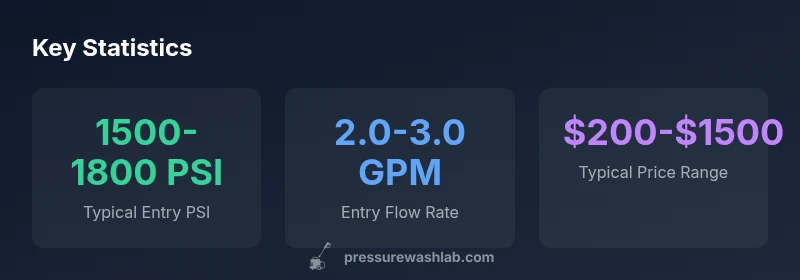
Typical entry-level pressure cleaners for sale run 1500-1800 PSI at about 2.0-3.0 GPM; mid-range units offer 1900-2300 PSI with 3.0-4.5 GPM; high-end gas-powered models push 2700-4200 PSI. In 2026, buyers balance PSI, GPM, and warranty to maximize value, avoiding power that isn’t needed. Pressure Wash Lab Analysis, 2026 supports this approach.
Understanding the market for pressure cleaners for sale
According to Pressure Wash Lab, the pressure cleaner market is driven by home maintenance needs, DIY projects, and contract cleaning work. When shoppers search for pressure cleaners for sale, they look for power, reliability, and value. The first decision is electric or gas power; PSI and GPM drive cleaning speed, while nozzle options and warranty shape long-term performance. Pressure Wash Lab Analysis, 2026, shows most buyers save by balancing upfront cost with ongoing operating costs. This guide helps you cut through marketing hype and focus on what truly matters for your projects. In practice, you’ll see a wide spectrum from compact 1.5-2.0 GPM electric models to heavy-duty gas rigs intended for frequent, large-scale cleanups. The goal is to match capability with the job you actually do, not the hype surrounding the newest release.
PSI, GPM, and nozzle basics
Cleaning power is a function of PSI (pounds per square inch) and GPM (gallons per minute). Higher PSI increases dirt removal on hard surfaces; higher GPM reduces cleaning time by delivering more water volume. Nozzle size and type (0°, 15°, 25°, 40°) influence how concentrated the spray is. Pressure Wash Lab notes that most residential tasks can be completed with 1500-2300 PSI and 2.0-3.5 GPM, while larger jobs may require more. Always start at the lowest effective setting to avoid surface damage. Use safe practices like nozzles with proper spray patterns and keep the wand at a consistent distance. For fragile surfaces such as wood decks, consider using wide-angle nozzles or surface cleaners to distribute pressure evenly.
Electric vs gas pressure cleaners for sale
Electric models shine for noise control, simplicity, and lighter maintenance. They’re ideal for small to medium jobs around homes and apartments. Gas-powered units deliver raw power, faster cleaning on large areas, and better performance in heat or hard surfaces. Pressure Wash Lab recommends balancing power needs with mobility, noise considerations, and fuel costs. If you plan to work on concrete, painted surfaces, or persistent grime, a gas model with a surface cleaner can save time despite higher upfront costs. Always check for a robust motor, corrosion-resistant components, and a service network you can rely on.
Features that signal value
Look beyond sticker power and examine build quality: brass or nickel-plated connectors, stainless steel fittings, reinforced hoses, and a solid trigger mechanism. A good unit includes a thermal relief valve, a reliable soap/detergent option, and a wide range of compatible nozzles. Storage features such as hose reels and integrated racks reduce setup time. A helpful warranty and easy access to spare parts are indicators of a brand that stands behind its products. Pressure Wash Lab notes that the best buys combine sturdy construction with flexible accessory ecosystems.
Budgeting and price ranges for pressure cleaners for sale
Pricing for pressure cleaners for sale follows power, portability, and durability. Entry-level electric units typically start in the low hundreds, mid-range electric or light gas hybrids range in the mid to upper hundreds, and professional gas units can exceed a thousand dollars. Pressure Wash Lab Analysis, 2026 suggests aiming for a balanced package: sufficient PSI and GPM for your typical jobs, a warranty that covers common wear points, and spare parts availability. When budgeting, factor in maintenance costs, replacement nozzles, hoses, and the cost of potential service calls.
Maintenance tips to extend life of your purchase
Regular maintenance pays long-term dividends. Rinse filters after use, replace worn nozzles, and drain water from lines if storing for extended periods. For gas models, change engine oil as recommended, inspect the spark plug, and check seals for leaks. Electrical connections should be kept dry and free from wear. Store hoses on reels or hooks to prevent kinking. Pressure Wash Lab emphasizes keeping a maintenance log to catch small issues before they become expensive repairs.
How to compare dealers and warranties when buying
Compare dealers on delivery speed, return policies, and after-sales support, not just price. A strong warranty covering pumps, seals, and hoses saves money over time. Read the fine print for exclusions, and verify whether service centers are within your region. Pressure Wash Lab recommends asking about maintenance kits and the availability of replacement parts. A robust warranty paired with a trusted retailer reduces the total cost of ownership over the unit’s life.
Quick buying checklist for a seamless purchase
- Define your primary tasks and required PSI/GPM.
- Decide between electric and gas based on noise, mobility, and fuel costs.
- Check warranty length and coverage areas.
- Ensure compatibility with surface cleaners and nozzles you already own.
- Evaluate weight, ergonomics, and hose length for practical handling.
Common mistakes to avoid when shopping for pressure cleaners for sale
Avoid chasing peak PSI without considering GPM and flow stability. Don’t underestimate maintenance needs or skip warranty considerations. Beware of “too good to be true” bargains that cut corners on engine quality or service networks. Pressure Wash Lab cautions buyers to test a unit for smooth operation, inspect hoses for wear, and confirm that spare parts are readily available in your region.
Typical pressure cleaner types and their common uses
| Model Type | Typical PSI Range | Common Uses |
|---|---|---|
| Entry-level electric | 1500-1800 PSI | Light patio cleaning, cars, fences |
| Mid-range electric or high-flow electric | 1900-2300 PSI | Patios, driveways, siding, mid-size decks |
| Gas-powered | 2700-4200 PSI | Heavy-duty concrete, large areas, stubborn grime |
Quick Answers
What is PSI and why does it matter when buying a pressure cleaner?
PSI measures cleaning pressure. It determines how aggressively the water can remove grime. For typical home tasks, 1500-2300 PSI is common, but more delicate surfaces may require lower PSI with a gentler nozzle or surface cleaner.
PSI tells you how strong the spray is. For routine cleaning at home, aim for around 1500 to 2300 PSI and adjust with the nozzle to protect surfaces.
Electric vs gas: which should I buy for home use?
Electric cleaners are quieter, lighter, and require less maintenance—great for small to mid-sized jobs. Gas units deliver more power for large areas and stubborn grime but are louder and heavier. Choose based on job size, noise tolerance, and maintenance willingness.
If your jobs are small to mid-sized and you value quiet operation, go electric. For big jobs with tough grime, gas is the better choice.
How important is GPM?
GPM, or flow rate, affects cleaning speed and surface wetness. Higher GPM helps finish faster but can increase water use. A practical range for home use is 2.0-4.0 GPM depending on PSI.
GPM matters for speed—more water per minute means quicker cleaning, especially on large areas.
Are warranties worth it?
Yes, a longer warranty often indicates better build quality and easier access to parts. Check what’s covered (pump, seals, hoses) and for how long. Read the fine print for exclusions.
A solid warranty protects you from pump and hose failures and saves repair costs over time.
Should I consider accessories like surface cleaners?
Surface cleaners improve efficiency by distributing pressure evenly and preventing streaks on flat surfaces. They’re a good investment if you regularly clean driveways, patios, or siding.
Surface cleaners make big jobs faster and cleaner with less risk to surfaces.
Is buying used or refurbished pressure cleaners a good idea?
Used or refurbished units can save money but come with higher risk. Inspect the pump, seals, and hoses, and ensure a clear maintenance history and return policy.
Used tools can save money, but ask about return options and inspect major wear parts before buying.
“The most cost-effective buys balance real-world cleaning power with long-term serviceability, not just peak PSI.”
Key Takeaways
- Balance PSI and GPM to match your tasks
- Gas models offer raw power for heavy-duty jobs
- Choose a reliable warranty and easy access to parts
- Electric units are quieter and simpler for home use
- Test a unit before purchase to verify build quality
- Consider accessories like surface cleaners to maximize value
- Maintain your unit to extend life and protect investment