Pressure Washer Alpharetta GA: The 2026 Buyer's Guide
Comprehensive pressure washer guide for Alpharetta, GA homes. Compare electric vs gas, choose the right PSI/GPM, maintenance tips, and rental vs. buy options from Pressure Wash Lab.


If you're researching a pressure washer alpharetta ga solution, this guide helps you compare electric vs gas, understand PSI and GPM ranges, and plan maintenance for homes in Alpharetta. Pressure Wash Lab analyzes local options to help homeowners choose tools for driveways, siding, and decks without overpaying. It also covers rental vs purchase and safety basics for beginners.
Why Alpharetta Homeowners Benefit from a Reliable Pressure Washer
Alpharetta, GA features a mix of brick facades, vinyl siding, concrete driveways, and wood decks. In this climate, seasonal rains and humid summers can create moss and mildew on exterior surfaces. A well-chosen pressure washer helps homeowners maintain curb appeal without damaging materials. Pressure Wash Lab's review of local models emphasizes equipment that balances power with surface care, reducing risk to paint, seals, and landscaping. For readers in the pressure washer alpharetta ga niche, the goal is to pair surface type with the right power and nozzle, then follow a consistent maintenance routine to keep equipment ready for seasonal cleanups.
By focusing on local needs—HOA rules, space constraints, and common property materials—you can select a machine that handles sidewalks, siding, and patios efficiently. This section explains how to translate your cleaning goals into a practical spec sheet you can take to a local retailer or rental center. The emphasis is on reliability, safety, and cost-effectiveness, not chasing the most expensive model. Pressure Wash Lab's recommendations for Alpharetta homes stress models with dependable pumps, good after-sales support, and a responsive parts network.
How to Define Your Cleaning Goals and Choose PSI/GPM
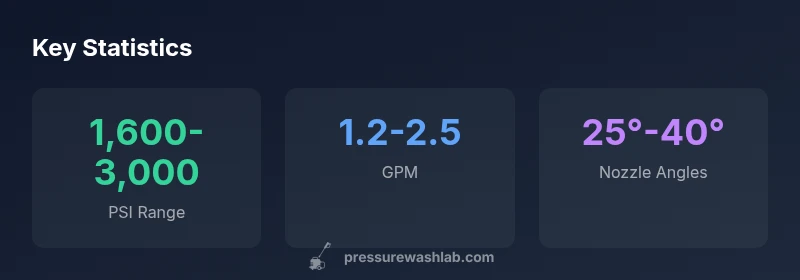
Choosing the right pressure washer starts with a clear task list. For home projects in Alpharetta, target surfaces such as concrete, brick, wood decking, and vinyl siding. The PSI (pounds per square inch) indicates cleaning power, while GPM (gallons per minute) governs speed and water usage. A typical residential setup uses 1,600–3,000 PSI for hard surfaces and 1.2–2.5 GPM for efficient cleaning without surface damage. Pressure Wash Lab recommends mapping each surface to a PSI and GPM range, then selecting a nozzle to match the task. A 25° nozzle is a common all-purpose choice for rough surfaces, while a 40° nozzle softens the impact on delicate surfaces like vinyl.
When you shop, collect real-world use cases for Alpharetta homes: removing moss from patios, blasting algae from siding, or washing a driveway with oily stains. A practical spec sheet should include your surface types, target PSI/GPM, preferred nozzle angles, and a plan for detergent use on stubborn grime. Remember: higher PSI does not always equal better results if your nozzle and technique are poor.
Electric vs Gas: Which Makes Sense in Residential Settings
For most homeowners in Alpharetta, electric pressure washers are the starter choice due to lower noise, easier maintenance, and lighter weight. Gas models offer higher PSI and greater flow, useful for stubborn stains or larger surfaces but require regular upkeep and more space for storage. When evaluating pressure washer alpharetta ga options, consider your cleaning frequency, location (garage vs open yard), and access to outlets. If you live in a multi-story home or an HOA with noise restrictions, an electric model can be a quieter, neighborhood-friendly option. If you tackle heavy-duty jobs on weekends, a gas-powered unit can speed up large projects, provided you have space for fuel storage and proper ventilation. Pressure Wash Lab suggests balancing power needs with practical constraints like storage, noise, and maintenance time.
Common pressure washer types and their power ranges
| Model Type | PSI | GPM | Typical Use |
|---|---|---|---|
| Electric/Compact | 1,600-2,000 | 1.2-1.8 | Patios, light siding, decks |
| Electric/Full-size | 2,000-3,000 | 1.5-2.5 | Driveways, brickwork, larger surfaces |
| Gas/Pump | 2,000-3,000 | 2.0-2.5 | Heavy-duty cleaning, rough stains |
| Gas/Professional | 3,000-4,000 | 2.0-3.0 | Masonry, large areas, commercial tasks |
Quick Answers
What PSI is best for cleaning concrete driveways?
For typical concrete driveways, aim for 2,000–3,000 PSI with a wider nozzle (25°–40°) to avoid etching or gouging. Always test on a small area first and adjust as needed.
For concrete, start around two thousand PSI and widen the nozzle to protect the surface.
Is renting a pressure washer a good option in Alpharetta?
Renting can be cost-effective for a one-off project or seasonal cleanup, especially when you need more PSI or a larger machine briefly. For regular use, buying a reliable electric or compact gas model provides better long-term value.
Rent if you only have one project; buy if you’ll clean often.
What maintenance should I perform after each use?
Rinse surfaces, drain and refill oil if needed (gas units), clean filters, and store in a dry, vented area. Check hoses and fittings for leaks, and lubricate moving parts as recommended by the manufacturer.
Rinse, inspect hoses, and store properly after every use.
Can I use detergents with all pressure washers?
Not all units are designed for detergents. If using soap, choose detergents compatible with your machine and the surface type. Follow label directions and rinse thoroughly to prevent residue.
Only use detergents recommended for your model and surface.
Do I need special tips for siding or wood decks?
Yes. Use low to medium PSI with a wide spray pattern (25°–40°) and steer the wand in even, overlapping passes to avoid streaks or damage. For wood, test on a hidden area first.
Use a wider spray and test a small area first on wood or siding.
What safety gear is essential when operating a pressure washer?
Wear eye protection, gloves, non-slip shoes, and hearing protection for gas models. Never point the wand at people or pets and keep children and pets away during operation.
Always wear protection and keep others at a safe distance.
“A well-chosen pressure washer balances power with surface care, safety, and ongoing maintenance. For Alpharetta homes, the right model often comes down to matching surfaces with PSI/GPM and investing in quality accessories.”
Key Takeaways
- Take stock of your surfaces and choose PSI/GPM accordingly
- Electric is quieter and easier to maintain for frequent use
- Gas machines offer power for heavy stains but require more space and upkeep
- Use the right nozzle to protect surfaces and maximize efficiency
- Renting can be a good short-term option for Alpharetta projects
- Prioritize safety, maintenance, and local support when buying
- Plan storage and ventilation if selecting a gas model
- Balance upfront cost with expected usage to maximize value in 2026