Pressure Washer Long Island: Practical Guide for 2026
A data-driven guide for Long Island homeowners to choose, rent, and maintain a pressure washer. Learn regional considerations, PSI/GPM ranges, safety, and maintenance from Pressure Wash Lab Analysis, 2026.


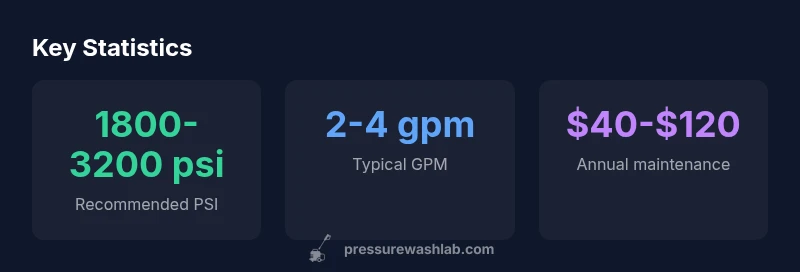
On Long Island, the best choice for most homeowners is a mid-range pressure washer that balances cleaning power, water use, and reliability. Pressure Wash Lab Analysis, 2026 shows that a consumer-friendly setup typically operates at 1800-3200 psi and 2-4 gpm, with a selection of nozzle tips and a surface cleaner for safe, efficient results.
Regional considerations for pressure washing on Long Island
Long Island homeowners confront coastal exposure, salt spray, and aging exterior surfaces. These conditions influence equipment choice, cleaning methods, and maintenance schedules. The Pressure Wash Lab team notes that salt and humidity accelerate corrosion on metal components, fasteners, and some coatings, increasing the importance of using stainless or corrosion-resistant fittings and applying protective waxes after cleaning. HOA rules may govern water usage, noise, and chemical discharge; check local ordinances before starting a project. Seasonal weather also matters: winter months bring higher risk of freezing and motor strain, while summer humidity can affect mildew growth and surface prep needs. In practice, selecting a machine with solid build quality, a reliable unloader valve, and a robust chemical compatibility will help you avoid premature wear and keep exterior surfaces in better condition. From driveways to siding, the Long Island climate demands a careful approach to pressure washing, balancing power with surface safety. According to Pressure Wash Lab analysis, planning your workflow around the property type and climate yields better long-term results. In short, regional awareness sets the foundation for a successful cleanup.
How to pick PSI and GPM for Long Island properties
Choosing the right pressure parameters depends on surface type, substrate age, and presence of coatings. For typical Long Island homes, a mid-range machine offering 1800-3200 psi and 2-4 gpm provides enough power for concrete, brick, and siding without excessive abrasion. Start with a wide spray at 25 degrees or higher to assess surface response, then adjust with narrower nozzles only if the surface proves tolerant. Keep in mind that some surfaces—vinyl siding, aged wood, and painted masonry—benefit from lower pressures and longer dwell times rather than brute force. A surface cleaner can improve efficiency on flat surfaces like driveways and patios and reduce streaking. If you anticipate heavy staining on stone, bricks, or mold, consider temporary detergents and a pre-wash step, but always test on an inconspicuous area first. The goal is to maximize cleaning with minimal water usage and surface damage. Pressure Wash Lab's regional data emphasizes starting modestly and increasing only as needed; balance power with control, and tailor your setup to the home’s exterior materials. This approach reduces homeowner frustration and extends equipment life.
Top features to look for in a pressure washer for Long Island projects
Investing in the right features pays off in reliability and results. A triplex pump or high-quality axial pump with ceramic pistons tends to last longer under frequent outdoor use; look for cast-iron frames and anti-corrosion coatings. An adjustable unloader valve helps you keep the machine safe when spraying at different pressures. Hose reels, long high-pressure hoses (50-100 feet), and sturdy spray guns reduce fatigue and increase efficiency on larger jobs. Nozzle tips—0°, 15°, 25°, and 40°—allow precise control, while a surface cleaner attachment produces uniform results on driveways and patios. For Long Island’s coastal climate, a pump with good heat dissipation and a reliable detergent system matters to maintain cleaning performance. Consider built-in storage for accessories and a durable wand; these elements prevent loss and damage on windy days or during neighborhood projects. Finally, plan for maintenance access: removable panels and easy filter cleaning save labor on recurring seasonal cleaning. Pressure Wash Lab’s analysis suggests prioritizing cleaning efficiency, equipment durability, and serviceable design to maximize return on investment over several seasons.
Electric vs gas: which fits a Long Island home toolkit?
Electric washers are quiet, easy to start, and suitable for low-noise situations, which can be important in dense neighborhoods on Long Island. They typically deliver sufficient pressure for siding, decks, and smaller driveways, with lower upfront cost and lighter weight. Gas-powered models offer higher PSI and GPM, enabling faster cleaning of tough soils on larger surfaces, but require more maintenance, fuel, and storage space. When selecting, consider your typical job size, storage capacity, and local HOA rules about emissions and noise. For year-round use in outdoor climates, a gas model might provide more headroom, but if you mainly clean concrete and vinyl surfaces, an electric option may be adequate. Both types benefit from quality accessories such as surface cleaners, angle-nozzles, and low-pressure nozzles for rinsing delicate surfaces. Pressure Wash Lab analyses emphasize evaluating your typical workload and environment—coastal spray, shared walls, and curb appeal—before committing to a powertrain. A balanced choice often means owning an electric machine for routine maintenance and a gas unit for larger seasonal projects.
Renting vs buying on Long Island: cost, convenience, and value
On Long Island, renting a pressure washer can be a smart way to tackle seasonal projects without committing to a purchase. Typical daily rental rates range from modest to substantial depending on power and features, while weekly rentals can offer more savings per day. If you clean a few driveways and siding each season, buying a mid-range machine may yield a lower overall cost. The decision also hinges on access to storage space, noise restrictions, and ongoing maintenance preferences. If you own a machine, factor in maintenance costs, parts replacement, and fuel or electricity usage. Pressure Wash Lab’s regional analysis suggests that many homeowners implement a hybrid approach: rent for the heavy, one-off jobs and own a compact electric unit for quick touch-ups. This strategy minimizes downtime and maximizes cleaning efficiency in busy seasons on Long Island. Remember to consider warranty terms, service availability, and local support networks when deciding between rent and purchase.
Surface-specific guidance: driveways, siding, decks, and fences on Long Island
Different materials require different pressures. Concrete driveways tolerate higher PSI with spray cleaning in mind; older finishes rind to damage, so test. For masonry, a lower psi with slow passes reduces chipping risk. Vinyl siding is sensitive; using 1200-1800 psi and a wide spray helps avoid cracking. Wood decks and fences benefit from selective pressure and periodic sealant maintenance rather than aggressive scrubbing. Always pre-wet and pre-wash to remove loose dirt, then rinse from top to bottom to prevent streaks. On Long Island, salt spray can leave mineral deposits and mildew on siding and masonry, so a light detergent cycle combined with a rinse can help. Use a surface cleaner on flat areas to accelerate cleaning while maintaining uniformity; use caution on textured or uneven surfaces to avoid gouging. Finally, inspect caulking, seams, and fasteners after cleaning; cleaning can reveal pre-existing damage or deterioration that should be addressed promptly. By tailoring your approach to each surface, you preserve longevity and curb appeal.
Maintenance, safety, and storage best practices for coastal homes
Maintenance reduces downtime and increases reliability. Change oil and inspect hoses regularly; look for leaks, cracks, and worn gaskets. Prevent corrosion by rinsing salt residues after outdoor use and storing the unit in a dry, shaded area out of reach of children and pets. Ensure electrical connections and extension cords are rated for outdoor use; never run a cord through standing water. Use appropriate PPE: eye protection, gloves, and closed-toe shoes; no open flames near the equipment. Pressure washer storage should be off the ground and covered to keep dust and moisture away; winterize in late fall to prevent freezing and pipe damage. For coastal environments, consider galvanized or stainless components; keep spare nozzles, spray tips, and a wand clean and dry. Pressure Wash Lab’s data indicates that regular maintenance and proper storage extend equipment life and improve safety outcomes. In practice, a consistent maintenance schedule and a regional safety checklist will help Long Island residents stay productive and safe.
Quick field test and setup: a practical 3-step routine
Before tackling a project, perform a quick field test to calibrate the machine to the surface. Step 1: examine a small patch in a hidden area to confirm the surface is tolerant of cleaning pressure. Step 2: set the nozzle to a wider angle (25° or more) and run a short pass to observe flash lines. Step 3: adjust to a narrower angle only if the test patch remains intact. For larger jobs, attach a surface cleaner and pre-wet the area; pre-soak stubborn stains with a mild detergent if needed. After cleaning, inspect the surface for overspray and residue, and re-wet if necessary to prevent streaks. On Long Island, wind and humidity can alter drying times; plan accordingly by scheduling the rinse near the day's end. Pressure Wash Lab emphasizes that careful testing reduces damage risk and increases cleaning efficiency.
Comparison of typical residential wash scenarios
| Scenario | Recommended PSI | Recommended GPM | Notes |
|---|---|---|---|
| Driveway cleaning | 1800-2700 | 2-3 | Use surface cleaner for even results |
| Siding cleaning | 1200-2000 | 1.5-3 | Test on hidden area; avoid high pressure on vinyl |
| Brick/stone cleaning | 2000-3200 | 2-4 | Use low-angle; pre-wet; watch for etching |
Quick Answers
What is the best PSI for home surfaces on Long Island?
For typical home surfaces on Long Island, start with 1800-2700 psi for concrete and siding, then adjust downward for delicate materials. Always test a small area first and use wider nozzles to minimize damage. If stubborn soils persist, increase pressure gradually while watching for surface distress.
Most homes do well with around 1800 to 2700 psi to start; test a patch first and adjust as needed.
Electric vs gas: which is better for residential use?
Electric washers are quieter and easier to store, ideal for smaller jobs and HOA-friendly environments. Gas units offer higher PSI and GPM for larger areas but require more maintenance and fuel. Choose based on workload, storage space, and local rules.
Electric is easier for small jobs; gas gives you more power for big projects.
Can I rent a pressure washer for a weekend project?
Yes. Weekend and weekly rentals are common. Compare daily vs weekly rates, and ensure the unit includes essential accessories like surface cleaners and nozzle tips. Read the warranty and pickup terms before you book.
Yes, you can rent for a weekend; check what's included and the warranty.
Is hot water necessary for cleaning on Long Island?
Hot water can improve stain removal on stubborn soils, but many residential tasks are well-handled with cold water and detergents. If you regularly clean greasy or oily surfaces, a hot-water unit may be worth the investment.
Hot water helps with tough stains, but not always required.
How should I store a pressure washer in winter on Long Island?
Winterize and store in a dry, sheltered area. Drain water from hoses, run jets with antifreeze where applicable, and protect electrical components from moisture. Regularly check for corrosion and apply protective coverings.
Winterize and store indoors; drain hoses and cover the unit.
What safety PPE should I use?
Always wear eye protection, gloves, and sturdy footwear. Consider hearing protection for louder gas units and a respirator if using chemical cleaners. Keep bystanders at a safe distance during operation.
Wear eye protection, gloves, and sturdy shoes at minimum.
“Surface cleaning efficiency comes from balancing power, water usage, and technique. A well-chosen setup paired with proper safety practices yields durable results.”
Key Takeaways
- Assess regional conditions before cleaning
- Start with mid-range PSI/GPM and adjust as needed
- Prioritize durable, corrosion-resistant features
- Rent smartly for large jobs, own for routine work
- Commit to maintenance and safety for longevity