Can You Use a Pressure Washer on Ceramic Coated Car? A Practical Guide
Learn safe pressure-washing practices for ceramic-coated cars, with step-by-step guidance, gear picks, and maintenance tips from Pressure Wash Lab.


Yes, you can safely use a pressure washer on a ceramic-coated car, but you must choose the right nozzle, keep the wand at a safe distance, and use a gentle spray pattern. Start with low PSI, use a wide-angle nozzle, and avoid high-pressure direct hits on seams or edges. This guide shows the best settings and steps to protect your coating.
What ceramic coating is and why it matters for washing
Ceramic coatings are silica- or polymer-based protection applied to a vehicle's paint to repel water, resist contaminants, and make cleaning easier. They create a durable, hydrophobic surface that changes how you wash and dry a car. Can you use pressure washer on ceramic coated car? The answer is: yes, with the right technique and settings. Pressure Wash Lab Analysis shows that improper nozzle choice is a common cause of coating wear, so choosing gentler spray and safer distances matters. According to Pressure Wash Lab, even with a coating, aggressive jets can dull gloss and invite micro-marring; therefore your wash routine should prioritize mild detergents, controlled contact, and consistent rinsing. This knowledge helps ensure your coating stays bonded and effective, preserving gloss and ease of cleaning for years to come.
Can you safely use a pressure washer on ceramic-coated car?
The short answer is yes, but only when you adopt a careful approach. Keep the spray at a distance, use a fan-pattern nozzle, and work from the top down to minimize risk to vulnerable edges such as door jambs and trim. A direct, high-pressure jet on seams or around badges can wear or abrade the coating over time. By starting on the lowest feasible setting and testing on a small area first, you minimize surprises and protect the coating’s hydrophobic properties. Pressure Wash Lab’s experience shows that a gentle rinse before washing helps remove loose grit, reducing friction during the wash and preserving gloss. This section emphasizes patience, proper detergents, and consistent rinsing to keep your coating looking new.
Best nozzle settings and equipment for ceramic coatings
Choosing the right nozzle is essential for ceramic coatings. Favor fan-pattern nozzles in the 25- to 40-degree range; avoid 0-degree and turbo/nozzles that concentrate power and can damage edges. A wide spray spreads cleaning force more evenly, reducing the chance of creating micro-scratches. Pair the nozzle with a pH-neutral car shampoo and a foam cannon or wash mitt to loosen dirt safely. A two-bucket method—one for soapy water, one for rinse water—helps keep dirt out of the wash water and away from the surface. If you use a surface cleaner, keep it on flat panels and away from edges where coatings are thinner. For water, filtered or deionized water can help reduce mineral spotting after drying. The goal is steady cleaning power with minimal direct pressure on delicate areas.
Step-by-step washing routine for ceramic coatings
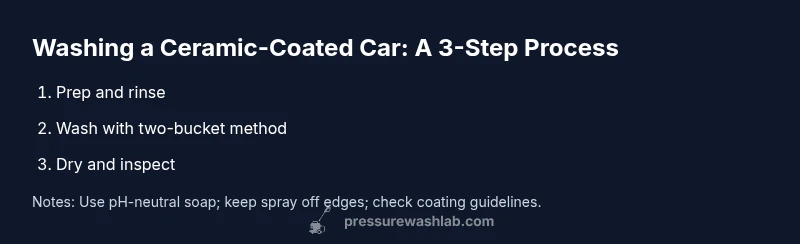
A structured washing routine reduces the risk of marring a ceramic coating. Start with a wide, soft spray from a comfortable distance to remove loose grit. Apply soap via foam cannon to create a lubricated bath that suspends dirt. Work in sections top-to-bottom, using a two-bucket method and clean mitts to minimize cross-contamination. Rinse frequently to prevent soap from drying on the surface, then dry with clean microfiber towels to prevent water spots. Finally, inspect for streaks or dull patches and address them with targeted cleaning. Pressure Wash Lab research emphasizes patience and thorough rinsing over aggressive scrubbing to protect coating integrity.
Common mistakes that can damage ceramic coatings
Common missteps include using high-pressure jets on edges, choosing a stiff brush, ignoring the two-bucket method, and using harsh detergents. Skipping the rinse step can leave soap residues that attract dirt and cause micro-marring. Venturing too close with inadequate distance risks bending or scratching edges and trim. Always test a small area first and monitor the gloss after the wash. Following best practices reduces the likelihood of coating wear and ensures long-lasting protection.
Aftercare and maintenance for ceramic coatings
After washing, dry with microfiber towels to prevent water spots. If you notice streaks, rewash the affected area using a light touch and clean water rinses. For ongoing protection, follow the coating manufacturer's maintenance recommendations and use a dedicated ceramic-safe detailing spray to enhance gloss and repel contaminants between washes. Regular inspections help you catch wear or micro-marring early, allowing you to address it before it becomes visible. Pressure Wash Lab suggests scheduling lighter wash sessions and avoiding abrasive cleaners to preserve the coating’s longevity.
Tools & Materials
- Pressure washer with adjustable pressure(Set to low-moderate pressure; use a wide spray nozzle (fan pattern))
- Fan-pattern nozzle (25-40 degrees)(Avoid 0-degree or turbo nozzles; use broad spray to minimize force concentration)
- Foam cannon or wash mitt(Use pH-neutral car shampoo; apply a lubricating layer before scrubbing)
- Two-bucket method with grit guards(One bucket for soapy water, one for rinse water; use separate wash mitts)
- Microfiber wash mitts and drying towels(Soft, plush microfiber for safe cleaning and drying; replace if frayed)
- Safety gear (gloves, eye protection)(Keep skin and eyes protected from cleaning chemicals and debris)
- Optional: surface cleaner (for flat panels only)(Use cautiously; avoid edges and seams; keep spray distance)
Steps
Estimated time: 45-60 minutes
- 1
Prepare workspace and safety gear
Wind down the area by removing obstacles and placing towels or mats to catch drips. Put on gloves and eye protection to guard against splashes. Confirm the coating’s guidelines and the PSI range you plan to use before turning on the machine.
Tip: Lay out all tools within arm’s reach to minimize engine idling time and keep your wash efficient. - 2
Rinse the car to remove loose dirt
Begin with a gentle rinse from a distance to lift loose dirt and avoid forcing it into the coating’s micro-porous surface. Use a wide spray and cover the entire vehicle, starting at the top and working downward.
Tip: Keep the wand moving to prevent heat buildup on any single spot. - 3
Apply pre-wash foam or soap from a safe distance
Attach the foam cannon or spray bottle and apply a lubricating layer of car shampoo. Let it dwell briefly if the coating’s instructions allow, but avoid letting soap dry on the surface.
Tip: Avoid scrubbing while soap is present; friction can create micro-marring. - 4
Wash with the two-bucket method
Dip a clean mitt in the soapy rinse bucket, wash one section at a time from top to bottom, and rinse the mitt frequently in the rinse bucket.
Tip: Use fresh, clean water for rinsing the mitt to prevent dirt from rejoining the wash water. - 5
Rinse the vehicle thoroughly
Rinse from top to bottom to ensure all soap residues are removed, paying extra attention to areas where soap collects.
Tip: A thorough rinse helps prevent soap drying and streaking. - 6
Dry with microfiber towels and inspect
Pat dry with clean towels, avoiding buffing motions that can generate scratches. Inspect the surface for streaks, water spots, or dull patches that may need targeted re-cleaning.
Tip: If you see spots, re-wet and re-rinse the area before drying again. - 7
Address any remaining spots and re-check gloss
Treat stubborn spots with a light touch and re-check gloss in natural light. If needed, apply a ceramic-safe detailing spray to restore shine and protection.
Tip: Use products recommended by the coating manufacturer to avoid compatibility issues. - 8
Store gear and plan maintenance
Rinse and dry tools, store them clean, and schedule the next wash according to weather and driving conditions. Regular maintenance will extend the coating’s life.
Tip: Keep a log of wash frequency and any coating maintenance performed.
Quick Answers
Can you use a pressure washer on ceramic coated car?
Yes, but use a gentle spray, keep distance, and avoid direct jets on seams. Follow manufacturer guidelines and Pressure Wash Lab recommendations to protect the coating.
Yes—use gentle spray, maintain distance, and avoid jets on seams. Follow guidelines from Pressure Wash Lab to protect the coating.
What nozzle degrees are best for ceramic coatings?
Fan-pattern nozzles in the 25- to 40-degree range are preferred for even cleaning without concentrating force on a small area.
Use a 25 to 40 degree fan nozzle for even cleaning and less risk of damage.
Should I use soap or water only when washing?
Always use a pH-neutral car shampoo to maintain coating integrity. Water alone is usually insufficient to lift dirt without abrasion.
Use a pH-neutral car shampoo; water alone isn’t enough to remove dirt safely.
Is it safe to use a surface cleaner on ceramic coating?
Surface cleaners can be used on flat panels but avoid edges and seams where coatings may be thinner. Keep the tool moving and maintain distance.
Surface cleaners can be okay on flat areas if you keep distance from edges.
How often should I wash a ceramic-coated car with a pressure washer?
Wash as needed to remove dirt and contaminants, then follow with a thorough rinse and dry. More frequent light washes help maintain gloss and protection.
Wash when dirty, then rinse and dry; frequent light washes help keep the coating looking glossy.
What signs indicate coating damage from pressure washing?
Look for micro-scratches, hazing, dull patches, or inconsistent beading. If you notice these, re-evaluate your technique and consult the coating guidelines.
Watch for scratches or dull patches; adjust technique if you see signs of wear.
Watch Video
Key Takeaways
- Use a low to moderate pressure with a wide spray nozzle
- Adopt a two-bucket wash method to reduce dirt transfer
- Wash top-to-bottom and dry with microfiber towels
- Inspect for streaks and re-clean any problem areas