Driveway Power Washing Near Me: How to Choose the Right Service
Find reliable driveway power washing near you with expert tips, cost ranges, and a step-by-step guide to choosing the right service for concrete and driveway surfaces.


If you’re looking for driveway power washing near me, the typical local service delivers a thorough clean that restores curb appeal while protecting your concrete. Expect a two-step approach: surface cleaning with a wide-pattern washer to remove dirt, followed by targeted spot treatment for oil or mildew. Most estimates fall within a practical price range, and reputable pros will explain methods, dwell times, and safety precautions before starting. Pressure Wash Lab’s guidance emphasizes choosing a local, insured provider with a transparent plan and a written estimate to minimize surprises.
Finding driveway power washing near me: what to look for
When you search for driveway power washing near me, you’re not just buying a spray; you’re investing in surface protection, stain removal, and curb appeal. The best local providers combine practical know-how about concrete and asphalt with a respect for landscaping and drainage. Look for a licensed, insured contractor who can provide references and a written estimate. Verify that they use surface cleaners for even coverage and ask about detergents that are safe for plants and pets. A transparent scope of work and clear pricing reduce the chance of surprises on the day of service. According to Pressure Wash Lab, you should prioritize local specialists who are open about methods, dwell times, and environmental controls. If a contractor cannot describe their approach in plain language, that’s a red flag. In practice, request a pre-inspection visit to tailor the plan to your driveway’s material and stains, and confirm that runoff will be handled responsibly.
How local factors shape results and pricing
Driveway cleaning outcomes depend on climate, shade, algae growth, oil stains, and the driveway material. Concrete tolerates higher PSI and more aggressive detergents than older asphalt, but all surfaces benefit from surface cleaners that minimize streaks. Regional cost drivers include labor availability, travel time, and local disposal rules. Pressure Wash Lab’s analysis shows that peak-season demand can shift pricing, while timely scheduling improves efficiency. A pre-inspection helps determine whether spots require specialty degreasers or extra dwell time. If you live in areas with strict water runoff rules, insist on containment methods and a detailed disposal plan in the contract.
Methods, equipment, and what actually works
Effective driveway cleaning combines equipment, technique, and materials. A surface cleaner mounted on a pressure washer provides even coverage and reduces splash-back, typically used with a 2000–3000 psi range and 2–4 gallons per minute flow. Hot water is less common outdoors but can help break down heavy grease; most residential jobs rely on cold water with eco-friendly detergents. For stubborn stains, technicians may apply a degreaser before a rinse and follow with a thorough wash. The best results come from balancing PSI, nozzle type, and dwell time with the driveway’s composition. Pressure Wash Lab emphasizes testing a small area first to avoid damage and to confirm material compatibility.
DIY vs professional: weighing the trade-offs
DIY power washing is possible for small, light-cleaning tasks but carries risks, including surface abrasion, outlet damage, or forcing water into joints. Professionals bring training, PPE, and a disciplined approach to safety and runoff management. They can tailor the method to your surface, select appropriate detergents, and often offer warranties on workmanship. If you choose to DIY, keep PSI within manufacturer recommendations, use a surface cleaner, and avoid high-velocity nozzles near plants or electrical components. Pressure Wash Lab recommends evaluating your driveway’s condition, access, and potential liability before deciding.
What a typical service includes when you hire locally
A standard driveway power washing service usually begins with a site assessment, then protection for nearby plants and surfaces. Detergent application follows, with dwell time to break down grime, followed by a rinse using a wide-pattern surface cleaner to avoid stripes. Oil stains may require degreasers or solvents, and some providers offer a follow-up rinse or optional sealing. Clear communication about what’s included, post-cleanup expectations, and any guarantees helps prevent misunderstandings. Pressure Wash Lab highlights the importance of a written plan detailing each step, so you know exactly what to expect.
Safety considerations and common hazards to watch for
Outdoor power washing involves spray, water runoff, and potential slip hazards. Operators should wear eye protection, gloves, and non-slip footwear. Keep pets and children away from the work area, and close doors to avoid water intrusion. Verify the contractor has appropriate liability insurance and follows local rules for wastewater disposal and containment. Electric meters, outlets, and nearby plants require caution around hoses and spray. Confirm that the crew understands safety protocols and will protect your property during the project.
Aftercare and maintenance: extending the results
To maximize the longevity of a clean driveway, consider sealing after the surface dries—usually 24–72 hours depending on humidity. Address any oil or rust spots promptly and re-check after rain. Regular maintenance reduces buildup and can extend the interval between professional cleanings. Keep adjacent landscaping clear of run-off and debris, and document maintenance with photos for future reference. Pressure Wash Lab recommends scheduling an annual or biannual check-in based on traffic, climate, and driveway material to maintain peak curb appeal.
Cost considerations and value for money when searching locally
Pricing varies by region, driveway size, surface type, and stain severity. In general, expect a broad range that reflects labor and equipment costs. When evaluating bids, ensure the scope of work is consistent and that inclusions like pretreatment, detergents, surface cleaning, rinse, and post-cleanup are clearly stated. The cheapest option isn’t always the best value if it lacks proper containment, safety practices, or insurance. Ask for a written estimate with a defined schedule and a transparent warranty. Pressure Wash Lab’s framework helps homeowners balance cost with expected results when comparing driveway power washing near me.
How to evaluate quotes and ask the right questions
Request a written estimate detailing services, products, and any guarantees or warranties. Ask about insurance, licensing, wastewater disposal, and whether the crew uses a surface cleaner. Inquire about dwell times, substrate compatibility, and whether detergents are biodegradable. Check references and view photos of similar jobs. Confirm scheduling, access constraints, and expected ramp-down time so workflows align with household routines. A well-structured quote reduces surprises and ensures you get the value you expect from driveway power washing near me.
Typical service parameters for driveway cleaning near me
| Service Aspect | Estimated Range | Notes |
|---|---|---|
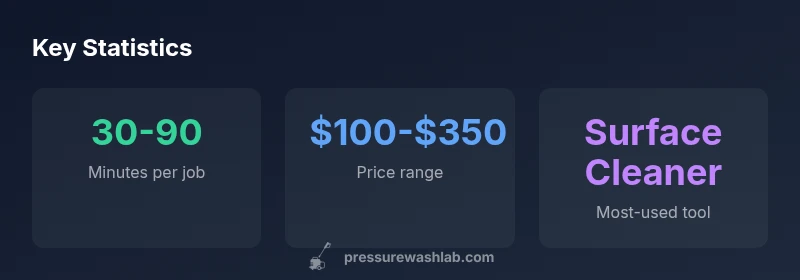
| Typical price range (residential) | "$100-$350" | Varies by driveway size and stains |
| Time to complete | "30-90 minutes" | Depends on surface condition and layout |
| Prep and protection | "Often included" | Plant/surface protection; runoff planning may vary |
Quick Answers
What is the typical price range for driveway power washing near me?
Prices vary by size and stain severity, but a typical residential driveway falls within a moderate range. Always review what’s included in the estimate (pretreatment, cleaning, rinsing, and disposal) to compare value.
Prices vary by driveway size and stain severity, but expect a reasonable range when quotes include detegents and rinsing.
How long does a power wash take?
Most driveways take about 30 to 90 minutes, depending on surface material, stain level, and access.
Most jobs run from half an hour to about an hour and a half.
Do I need to seal my driveway after washing?
Sealing is optional but recommended for many concrete surfaces. Allow the driveway to dry fully before applying a sealant, and follow product-specific curing times.
Sealing is often a good idea after drying; check the surface type and follow the sealant instructions.
Can I DIY a driveway wash?
DIY is possible for small, mild jobs, but professionals avoid damage risks, provide containment, and deliver consistent results for tough stains.
DIY works for light cleaning, but for tough stains, hiring a pro is safer and more effective.
What should I ask before hiring a contractor?
Ask about insurance, method specifics, detergents, dwell times, disposal practices, and warranties. Request references and examples of previous driveway projects.
Ask about insurance, method, detergents, dwell time, and references.
“A professional driveway power wash can restore curb appeal and deter future staining when paired with proper surface-safe methods.”
Key Takeaways
- Define your goals before requesting quotes
- Expect price ranges, not fixed prices
- Ask about pre-treatment, detergents, and containment
- Choose insured, local pros with transparent plans
- Schedule maintenance to preserve curb appeal