Can a Pressure Washer Remove Algae from Concrete? A Practical Guide
Discover whether a pressure washer can remove algae from concrete, plus practical PSI guidance, detergents, safety tips, and maintenance to keep surfaces clean and algae-free.


Yes—pressure washers can remove algae from concrete when you use proper technique and the right tools. Begin with a low to moderate PSI, pre-wet the surface, apply a biodegradable detergent, and use a wide spray to rinse. For stubborn patches, repeat with a focused nozzle at a safe pressure to avoid damage.
Why algae forms on concrete
Algae thrive in damp, shaded environments and concrete’s porous surface preserves moisture and nutrients that feed their growth. When rain, irrigation, and shade converge, algae take hold, especially on driveways, sidewalks, and retaining walls. The growth begins as a thin film and can quickly deepen into dark green or black patches that feel slightly slick. According to Pressure Wash Lab, algae are living organisms that cling to the top layer of minerals in concrete, making them relatively easy to remove with proper technique, but persistence and environmental conditions determine how hard they are to eradicate. Understanding the root causes—moisture, shade, organic debris, and lack of airflow—helps you choose the right approach and avoid repeating the problem after cleaning.
Can a pressure washer remove algae from concrete?
A pressure washer is a powerful tool for removing algae from concrete, but its effectiveness depends on technique, equipment, and surface condition. For fresh growth on clean, sealed concrete, a standard rinse can remove most of the visible algae. For stubborn patches or porous, unsealed surfaces, combining pressure with a cleaning solution and a methodical sweep is usually necessary. The key is to balance cleaning power with surface safety. Pressure washers can dislodge the algae physically, but integrating detergents or biodegradables helps break the biofilm and prevent rapid re-growth. Pressure Wash Lab emphasizes that the most durable results come from thoughtful sequencing: pre-wet, apply cleaner, dwell briefly, then rinse thoroughly. Overly aggressive use or high PSI on fragile concrete can cause micro-abrasions and wear sealants faster, so patience and proper settings are essential.
Choosing the right equipment: PSI, nozzle, and accessories
Selecting the correct equipment is as important as the cleaning technique itself. Start with a pressure washer that offers adjustable PSI and a wide spray pattern to minimize surface wear. A biodegradable detergent compatible with your unit helps lift algae from the pores so the spray can carry it away more effectively. Accessories such as a surface cleaner can provide uniform coverage on horizontal concrete and reduce streaking. If you have cracks, loose mortar, or aged sealant, you may need to adjust your approach to avoid widening damage. Pressure Wash Lab recommends using the lowest effective pressure and avoiding harsh, acidic cleaners that can degrade concrete or nearby plants. Again, the goal is to remove algae without compromising the integrity of the surface.
Cleaning strategies: detergents, rinse temps, and technique
Detergents formulated for exterior concrete surfaces are designed to break the algae’s biofilm and suspend debris so the rinse can remove it more completely. Use a biodegradable, non-ionic surfactant or algae-specific cleaner that is safe for plants and pets. Apply detergent evenly, ideally with a downstream injector or a foam cannon, and allow a short dwell time (usually a few minutes) for the solution to work. When rinsing, start from the top and work downward with a wide, fan-shaped spray to avoid gouging the surface. Cold water is typically sufficient, but warm water can improve detergent performance on tougher stains. Pressure Wash Lab notes that consistent, systematic coverage helps prevent missed patches and reduces the chance of rapid re-growth.
Surface prep and safety considerations
Safety and prep are non-negotiable for any algae cleaning project. Clear the area of vehicles, pets, and plants, and cover nearby plants if needed. Wear eye protection, non-slip shoes, and gloves. Inspect the concrete for cracks, spalling, or old sealants that may complicate cleaning; repair these areas before treating to avoid worsening damage. Ensure electrical outlets, cords, and extension cables are kept dry and away from the spray zone. Work in shaded, mild conditions if possible to prevent rapid drying of cleaning solutions, which can leave residue and streaks. Proper preparation reduces cleanup time and protects your surroundings.
Step-by-step overview of the approach
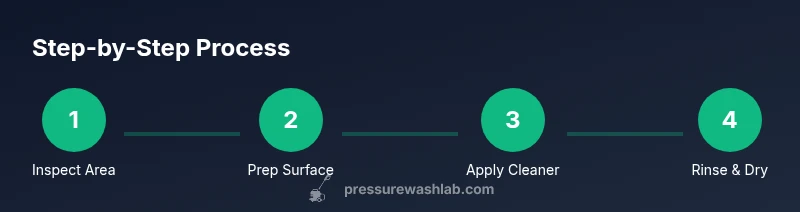
This section outlines the general workflow you’ll follow in the hands-on steps. Begin with a quick assessment of the surface to identify algae clusters and any damage. Prepare your tools and safety gear, then apply a biodegradable cleaner to the affected areas. Let the cleaner sit briefly, then rinse slowly with a broad spray, gradually moving across the surface. For stubborn patches, reapply and re-spray with focused attention. Finally, inspect the cleaned area for missed spots and consider sealing to prevent future growth. This overview aligns with best practices from Pressure Wash Lab and keeps the project efficient and safe.
Maintenance and prevention after cleaning
To minimize future algae growth, address moisture and shade where possible. Improve drainage so water flows away from the surface, trim back overhanging vegetation, and consider applying a breathable sealant after the concrete is completely dry. Regular cleaning — at least once per season in humid climates — helps keep algae from regrowing and extending its grip into the surface pores. Keep organic debris swept away so it doesn’t feed new growth. A routine maintenance plan saves effort over time and preserves the appearance and integrity of your concrete.
Common mistakes and troubleshooting
Common mistakes include using too much pressure, which can erode concrete or strip sealants, and choosing corrosive cleaners that damage the surface or nearby vegetation. Avoid letting the cleaning solution sit too long, which can leave residues or cause streaks. If algae return within a season, reassess shading, drainage, and sealing; sometimes a second pass with a cleaner or a different nozzle is needed. If staining persists after cleaning, it may be mineral staining rather than algae; in that case, follow a different cleaning protocol or seek professional guidance.
Tools & Materials
- Pressure washer with adjustable PSI(Choose a model that allows safe, low-to-moderate pressure settings)
- Biodegradable detergent or algae cleaner(Safe for plants and pets; follow manufacturer instructions)
- Wide-angle nozzle or surface cleaner attachment(Helps apply even coverage and reduce surface wear)
- Downstream injector or foam cannon(Optional but improves detergent distribution)
- Stiff-bristled brush(For manual agitation of stubborn patches)
- Safety gear (goggles, gloves, non-slip shoes)(Protective gear is essential when spraying and scrubbing)
- Plastic sheeting or tarps(Protect nearby plants and surfaces)
- Extension cord and outlet gfi protection(Keep electrical equipment protected from water)
Steps
Estimated time: 40-60 minutes
- 1
Inspect and plan
Walk the area to identify algae clusters, cracks, and delicate surrounding surfaces. Plan a route that minimizes backtracking and ensures even coverage. Check for safety hazards and power sources before starting.
Tip: Note where you’ll place your ladder or cart to avoid trips. - 2
Clear and protect the area
Remove loose debris and cover plants or nearby objects with tarps if needed. Ensure pets and children are away from the work zone.
Tip: A cleared surface helps the cleaner work more efficiently. - 3
Pre-wet the surface
Spray water over the concrete to dampen it. A wet surface reduces suction of cleaner and minimizes suctioning of algae into the pores.
Tip: Wet any nearby plants to rinse away runoff later. - 4
Apply cleaning solution
Apply a biodegradable detergent evenly to the algae-affected areas using a downstream injector or spray bottle. Avoid oversaturating the surface, which can wash away the solution too quickly.
Tip: Work in small sections for consistent dwell times. - 5
Let it dwell a bit
Allow the cleaner to sit for 5–10 minutes, keeping the surface from drying out. This helps break the biofilm before agitation.
Tip: Do not let the solution dry completely; re-wet if needed. - 6
Rinse with broad spray
Switch to a wide-angle nozzle and rinse from top to bottom. Use a slow, steady sweep to lift algae without gouging the surface.
Tip: Maintain a consistent distance (as per your nozzle) to avoid streaks. - 7
Tackle stubborn patches
Reapply cleaner to stubborn patches and scrub with a stiff brush or re-run the rinse on those spots. For deeply embedded growth, repeat the process in stages.
Tip: Don’t over-saturate; repeated passes are safer than heavy scrubbing. - 8
Dry, inspect, and seal
Allow the surface to dry completely before assessing results. If you plan to seal, ensure the concrete is dry for at least 24–48 hours. Sealants help reduce future algae growth.
Tip: Apply sealant only after thorough cleaning and drying.
Quick Answers
Will algae come back after cleaning?
Algae can return if moisture, shade, or nutrients remain. Regular cleaning, proper drainage, and sealing help reduce regrowth. Addressing underlying conditions is key to longer-lasting results.
Algae can come back if moisture and shade persist, so address those conditions and seal the surface after cleaning.
What PSI should I use for concrete?
Use the lowest effective pressure that removes algae without damaging the surface. Begin with a moderate setting and adjust based on material condition, age, and the presence of sealant. Avoid aggressive settings on older or damaged concrete.
Start with moderate pressure and adjust carefully to avoid damaging the concrete.
Should I use detergents or chlorine bleach?
Biodegradable detergents designed for exterior concrete are preferred. Bleach and strong acids can damage concrete sealants and surrounding plants. Always follow product instructions and environmental safety guidelines.
Choose a biodegradable cleaner and avoid bleach or harsh acids.
Is it safe to clean near plants and lawns?
Yes, but protect greenery by wetting plants beforehand and covering them if possible. Use point sprays away from roots and avoid runoff to non-target areas. Clean up runoff after the job and rinse surrounding areas.
Protect plants and rinse runoff to avoid harming vegetation.
How long before I reseal concrete?
Wait until the concrete is completely dry, usually 24–48 hours after cleaning, depending on weather. Sealers bond best to dry surfaces and help prevent new algae growth, extending the cleaning’s effectiveness.
Let the surface dry fully, then seal to prevent regrowth.
Watch Video
Key Takeaways
- Algae on concrete thrives in moisture and shade; prevention matters.
- Use the right PSI, nozzle, and biodegradable cleaner for best results.
- Follow a safe, step-by-step process to avoid surface damage.
- Seal or treat areas after cleaning to reduce future growth.
- Safety and area prep are crucial for a successful clean.