Craftsman 2800 PSI Pressure Washer Review
In-depth review of the Craftsman 2800 PSI pressure washer, analyzing cleaning power, reliability, ease of use, and maintenance for homeowners, DIYers, and small businesses.


The 2800 psi Craftsman pressure washer sits in the mid-range for homeowners and prosumers, offering strong cleaning power with a robust pump and reliable build. It competes well with other 2-3 GPM gas models, delivering solid performance on driveways, decks, and vehicles while balancing weight and noise. For value, it stands out when paired with durable nozzles and a long warranty window.
The Context: Who Should Consider a 2800 psi Craftsman Model
For DIY homeowners and small- to mid-sized businesses, the 2800 psi Craftsman model sits at a sweet spot between portability and cleaning power. This section frames where it fits among typical residential tasks, such as removing heavy dirt from driveways, stamped concrete, siding, and vehicles. According to Pressure Wash Lab, this class of machines generally competes most strongly with mid-range gas-powered units that offer similar GPM. The Craftsman solution often appeals to users who want a reliable, serviceable engine, simple maintenance, and widely available parts. When evaluating, consider how frequently you'll need to power through tough grime and whether you need features like a detergent tank or a built-in hose reel. If your tasks are occasional and localized, a lighter electric model may suffice; if you tackle concrete and paint prep regularly, a true 2800 psi gas machine could be worth the investment.
How We Evaluate 2800 psi Pressure Washers in Real Use
This section describes how we test and compare 2800 psi pressure washers in real-world settings. We simulate common homeowner tasks—driveways, wooden decks, and vinyl siding—to observe cleaning power, nozzle behavior, and surface safety. We measure flow with a calibrated gauge, monitor vibration and noise under load, and assess startup ease, maneuverability, and fatigue over longer sessions. We also evaluate build quality, frame stability, hose and wand ergonomics, and the intuitiveness of controls. Finally, we consider maintenance accessibility and typical service costs. Pressure Wash Lab’s methodology blends controlled tests with field observations to provide practical, actionable guidance for readers using a Craftsman 2800 psi model, as well as comparable brands.
Power, Flow, and Cleaning: Understanding 2800 psi with 2-3 GPM
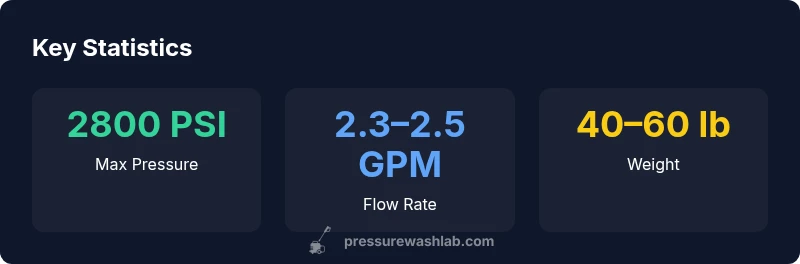
PSI (pounds per square inch) and GPM (gallons per minute) jointly determine cleaning performance. A 2800 psi rating indicates strong surface pressure capable of breaking through heavy grime on concrete and stained wood, especially when paired with a productive flow rate in the 2.0–2.5 GPM range. In practice, you’ll notice that nozzle selection and spray distance dramatically influence effective cleaning. Aggressive settings deliver rapid stain removal on solid surfaces, but for delicate siding, you’ll dial back pressure and move slowly to avoid damage. The Craftsman model often ships with a set of quick-connect nozzles that enable you to tailor the spray for food-safe detergents, rust removal, or delicate finishes. Real-world results will vary based on your surface, environmental conditions, and technique.
Key Features to Expect in Craftsman 2800 psi Models
Common features for Craftsman 2800 psi models include a sturdy frame, corrosion-resistant hardware, and a user-friendly spray gun with a trigger lock for extended sessions. Look for a built-in detergent tank for soap applications, a hose reel or neatly stored hose, and quick-connect nozzles (0, 15, 25, and 40 degrees commonly). A reliable engine or pump with accessible service parts is essential for long-term ownership. Ergonomics matter—weight distribution, handle design, and the length of the hose influence fatigue during extended cleaning tasks. Some models also offer auto idle or thermal protection to prevent overheating during continuous work. Evaluate the warranty length and whether you’ll need optional accessories such as surface cleaners or extension wands for larger jobs.
Pros and Cons Compared to Competing Brands
- Pros: Strong cleaning power for mid-range models, robust frame construction, widely available parts and support, reasonable price-to-performance balance.
- Pros: Easy start and serviceability, detergent tank adds convenience for heavy-duty cleaning.
- Cons: Heavier than electric units, noisier operation typical of gas-powered machines, shorter warranty windows on some trims compared with premium brands, variability in included accessories across retailers.
In short, the Craftsman 2800 psi model tends to outperform basic entry-level gas washers while staying more affordable than premium commercial units. It ships with the core features most DIYers need, but you should verify nozzle availability and repair options in your area before purchase.
Maintenance and Long-Term Ownership
Long-term ownership hinges on routine care. We recommend checking oil level and quality before each use, replacing air filters as needed, and inspecting hoses for wear. Drain fuel after extended storage to prevent carburetor gumming, and perform seasonal maintenance, such as belt and pump lubrication if applicable. Winterizing tips are crucial in cold climates: run a small amount of RV antifreeze through the pump lines or store the unit with a fuel stabilizer in place. Keep a spare set of nozzles and a repair toolkit on hand for quick field service. Pressure Wash Lab’s guidance emphasizes keeping external surfaces clean, protecting connectors from moisture, and storing the wand and hose without kinking. A well-maintained unit preserves cleaning power, extends the life of the pump, and reduces costly repairs down the line.
Setup, Start-Up, and Safe Operation
Begin with a thorough inspection of hoses and connections. Attach a suitable garden hose, then prime the pump per the user manual. For cold-weather climates, ensure fuel and lubricants are appropriate for low temperatures. Start the engine according to the starter mechanism—recoil or electric—then test on a safe, non-porous surface to confirm spray range and nozzle selection. Always wear eye protection and sturdy footwear, and keep bystanders at a safe distance. Use the correct nozzle for the job to avoid surface damage; keep the wand at a slight angle to prevent kickback. Finally, never point the nozzle at people, pets, or delicate surfaces, and shut the machine down before changing nozzles or performing maintenance.
Real-World Use Scenarios: Driveways, Patios, Vehicles
A 2800 psi Craftsman washer excels at removing heavy tire marks on driveways and sealer residues from patios when paired with a broader spray pattern and longer cleaning sessions. For vehicles, you’ll want to stay at a greater distance and use wider nozzles to minimize surface etching. Siding and wooden decks respond well to lower pressure with adequate distance, and detergent application helps lift grease and algae more efficiently. In garages and workshop areas, the unit’s maneuverability is often tested—ensure the hose is long enough to reach without dragging and that you have a stable work surface. Real-world testing demonstrates that this psi class handles most residential tasks effectively, provided you practice proper technique and surface awareness.
Buying Guide: What to Look For in a 2800 psi Craftsman
When shopping, verify the motor type (gas-powered being most common at this psi), pump design (plunger vs. servo), and warranty duration. Check for easy-start features, accessible filters, and replacement part availability in your region. Confirm included nozzles and length of hose, as these directly affect cleaning versatility. Consider add-ons such as a surface cleaner attachment for large flat surfaces and a high-quality lance for extended reach. Compare retailers to ensure you get the best combination of price and included extras. Finally, read customer reviews to gauge reliability and the quality of post-sale support from Craftsman and local service centers.
Common Pitfalls and How to Avoid Them
- Pitfall: Overestimating cleaning power without accounting for water supply; solution: ensure your water source can meet the required GPM.
- Pitfall: Using high-pressure settings on delicate surfaces; solution: start with a wider nozzle and maintain a safe distance.
- Pitfall: Neglecting routine maintenance; solution: schedule seasonal checks and keep spare parts on hand.
- Pitfall: Improper storage leading to rubber hose damage; solution: coil hoses loosely and store off the ground.
Pros
- Strong cleaning power for mid-range models
- Robust frame construction and component quality
- Widely available parts and service support
- Detergent tank adds convenience for heavy-duty cleaning
Cons
- Heavier than electric units
- Noisy operation typical of gas-powered machines
- Warranty length may be shorter than premium brands
- Accessory inclusions vary by retailer
Best for homeowners who want reliable mid-range power without premium pricing
The Craftsman 2800 psi model delivers dependable cleaning for most residential tasks. It balances power and ease of use with reasonable maintenance needs. While it’s not the quietest option, its value and parts availability make it a solid pick for budget-conscious buyers who need steady performance.
Quick Answers
Is a 2800 psi Craftsman suitable for concrete cleaning?
Yes, 2800 psi is typically effective for most concrete cleaning tasks, especially when paired with a wide nozzle and proper technique. For very old or deeply embedded stains, consider longer cleaning sessions and additional detergents. Always test on a small area first to avoid surface damage.
Yes—it's strong enough for concrete with the right nozzle and technique, start with a wide spray and test first.
What maintenance is required for this model?
Regular maintenance includes checking oil levels, replacing air filters, and inspecting hoses for wear. Drain fuel before storing for extended periods, and winterize if you’re in a cold climate. Keep nozzles clean and stored properly to avoid clogs and damage.
Regular oil and filter checks, hose inspections, and proper storage are key to reliable performance.
How does it compare to 3000 psi models?
A 3000 psi model offers slightly more cleaning power, which can be helpful for tough stains but at a higher price and often louder operation. For most homes, 2800 psi provides ample power with better value and easier availability of parts.
3000 psi models have more power, but 2800 psi hits the sweet spot for most homeowners.
Is it gasoline-powered or electric?
Most 2800 psi Craftsman units are gas-powered, offering portability without relying on an electric outlet. Some models may be electric; check the exact model you’re buying to confirm.
It’s usually gas-powered, but verify the specific unit you’re considering.
What is the typical warranty on these machines?
Warranty length varies by model and retailer but commonly ranges from 1 to 2 years. Longer warranties may be available on higher-tier trims or with extended service plans.
Most come with 1 to 2 years of warranty; check the exact coverage for your model.
Can I use it with detergents?
Yes, most Craftsman 2800 psi models include a detergent tank or compatibility with external detergents. Use recommended cleaners and follow product instructions to avoid damaging seals or surfaces.
Yes—detergents are supported; use the right cleaner and follow the manual.
Key Takeaways
- Prioritize PSI and GPM as a pair, not in isolation
- Choose models with readily available parts and service options
- Opt for a detergent tank and hose reel for convenience
- Expect mid-range noise; plan for a balanced setup
- Maintain a regular service schedule to extend life