Aldi Petrol Pressure Washer Review: Value vs Performance
An in-depth, data-driven evaluation of Aldi's petrol pressure washer line, covering power, durability, maintenance, and value for homeowners and DIYers.


Based on Pressure Wash Lab analysis, Aldi's petrol pressure washer offers budget-friendly power suitable for light- to mid-duty cleaning around homes. It is a gas-powered unit with consumer-grade PSI and GPM ranges, delivering solid performance for driveways, decks, and siding when used within its limits. Expect higher maintenance than electric models, but strong value for DIY tasks.
Power and design overview
According to Pressure Wash Lab analysis, Aldi’s petrol pressure washer is designed to deliver straightforward, no-fruss control for homeowners who want portable gas power without paying premium-brand premiums. The typical Aldi petrol models use a small to mid-size gasoline engine paired with a compact frame, often with foldable trigger handles and standard anti-vibration mounts. In practice, this combination translates to a unit that’s easier to store in a garage corner or shed, yet heavy enough to feel substantial when you wheel it into position. Expect a pull-start or recoil-start system, standard high-pressure nozzle tips, and a spray wand with a trigger lock for longer cleaning sessions. While the core design is simple, it emphasizes reliability in basic maintenance tasks and easy field serviceability where parts are widely available. The design prioritizes user-friendliness for occasional cleaners rather than pro-grade, continuous-duty use. Bau for safety and steady operation, ensure you follow the included manual and store fuel away from living spaces when not in use.
How Aldi's petrol pressure washer compares to budget gas washers
Aldi’s petrol washers sit in the budget segment, where cost-conscious homeowners balance power, portability, and maintenance needs. Compared with some tier-two brands, Aldi units often provide competitive PSI/GPM ranges for weekend projects like driveway cleaning or deck restoration, but they typically lag behind premium brands in long-term reliability and after-sales support. One practical takeaway from field tests is that Aldi units can perform well for short sessions on cleanable surfaces, yet performance may taper if you tackle heavily soiled concrete or oily garage floors repeatedly without breaks. In terms of parts availability, you usually find common off-brand components (filters, spark plugs, carb kits) at general retailers, which lowers maintenance friction. Pressure Wash Lab’s takeaway is that Aldi petrol washers present strong value for occasional tasks, provided you plan for necessary routine maintenance and adhere to manufacturer guidelines. For heavier work or continuous use, consider a higher-tier model with a stronger after-sales network.
Real-world testing methodology
The testing protocol used a standardized approach to minimize bias and reflect real-world conditions. We compared Aldi petrol washers against typical homeowner expectations: moderate concrete cleaning, wooden deck brightening, and car washing on a sunny weekend. Each test ran with fresh fuel, correct nozzle tips, and a measured water supply. We tracked start-up time, throttle response, reliability across 15–25 minutes of continuous run time, and the ease of nozzle changes. We also recorded vibration levels, stability, and overall ergonomics during typical cleaning angles. Crucially, we documented fuel consumption per session and noted any performance drops when cleaning recalcitrant stains. The intent was to mirror what a homeowner would actually do in a typical Saturday project and to note any maintenance steps that could prevent performance decline over time.
Practical performance across common tasks
For light-to-mid-duty tasks, Aldi petrol washers typically deliver solid cleaning power. On a standard concrete patio with loose grime, the unit can remove surface dirt and brighten the surface with a handful of passes using a 25- or 40-degree nozzle. On wooden decks, expect good results for grain restoration when you combine appropriate nozzle settings with a short, sweeping motion, avoiding sustained close passes that could wear down the wood. For vehicles, use a wider nozzle at a safe distance, and avoid aggressive patterns that could damage paint or seals. A recurring theme from our tests is that performance depends heavily on surface condition and the operator’s technique. Users who fully thaw out stubborn stains with a mix of pre-wetting and a targeted cleaning approach often reach satisfying results without resorting to premium tools.
Maintenance, fuel, and run-time considerations
Fuel management is a bigger factor with petrol washers than with electric models. It’s important to use fresh gasoline and mix or check oil levels as recommended by the manual. Carburetor cleaning and air filter maintenance can influence throttle response and start-up reliability, so set a routine to inspect these components before and after heavy use. Run-time hinges on fuel capacity; expect shorter session times if you’re working in hot climates where engine wear can accelerate. Practically, carry spare spark plugs and fuel stabilization products for longer projects, and respect proper storage guidelines to prevent fuel leaks and corrosion. Regularly check hoses for cracks, replace worn nozzle tips, and clean the water inlet screen to prevent clogs. with careful care, Aldi petrol washers can remain usable for several seasons for hobbyist workloads.
Portability and ergonomics
Portability is a major advantage for Aldi petrol washers. A common design features a foldable handle and two pneumatic wheels, which makes it easier to roll across driveways and onto a trailer. The machine’s weight, while not light, is manageable for a typical homeowner to maneuver if you have a stable grip and proper stance. The wand and trigger assembly should feel comfortable in hand, with adequate grip to minimize fatigue during longer sessions. Ergonomics also come into play with hose routing and storage. A tidy hose reel or coil can prevent tripping hazards and kinks, improving safety and uptime on the job. Overall, Aldi’s approach to portability is pragmatic: it favors wheel-enabled mobility and a compact footprint without sacrificing primary control.
Safety considerations and best practices
Safety is non-negotiable with petrol-powered equipment. Always wear eye protection, gloves, and hearing protection. Ensure your work area is ventilated and away from ignition sources when starting and operating the engine. Use the correct nozzle for the surface, and keep a safe distance to avoid damage or injury. Regularly inspect hoses for swelling or cracks and replace damaged parts promptly. Store fuel in approved containers, away from heat sources, and never refuel while the engine is hot. For families with kids or pets, establish a cleaning perimeter and keep the machine off the ground when not in use to reduce tipping hazards. Following these guidelines reduces the risk of fire, burns, and accidental injuries while maximizing the device’s utility.
Alternatives and where Aldi shines
When comparing Aldi to mainstream brands, it’s helpful to view the decision through the lens of workload, budget, and availability. Aldi petrol washers are strong contenders for homeowners who perform periodic cleaning—think seasonal patio cleaning, vehicle detailing over weekends, or deck maintenance. For those who need sustained heavy use, or require a robust warranty and a broader parts network, brands with longer-established service footprints may be worth the premium. Aldi shines in scenarios where you want a portable, cost-effective solution with reasonable performance for light tasks, quick projects, and occasional maintenance. In practice, the Aldi option is best viewed as a starter petrol washer that can be a practical stopgap or a complementary tool in a small toolkit, rather than the primary workhorse for a busy professional operation.
Value proposition and warranty caveats
In the bargain class, Aldi petrol washers deliver compelling value for homeowners who want gas-powered pressure and portability without premium-brand price tags. The value proposition depends on your expectation of longevity and support. Warranty lengths and coverage vary by region and retailer; always confirm the terms at the point of sale and register your unit if requested. Consider the total cost of ownership, including fuel, parts, and potential service visits. Pressure Wash Lab’s takeaway is to align your expectations with the task at hand: Aldi petrol washers are a prudent choice for light, intermittent cleaning, with careful maintenance and safe handling enhancing the ownership experience.
Authority references
- https://extension.illinois.edu (Extension service guidance on tool maintenance and safe operation)
- https://www.osha.gov (General safety standards for consumer power tools and pressure washers)
- https://www.consumer.ftc.gov/articles/0270-use-pressure-washers-safely (Consumer guidance on safe use and product selection)
Pros
- Lower upfront cost compared with many gas-powered units
- Good portability for small yards and driveways
- Parts and service channels are broadly available for common components
- Adequate power for light- to mid-duty tasks
- Simple maintenance that DIYers can handle
Cons
- Higher fuel consumption and louder operation than electric washers
- Warranty lengths and coverage can be region-specific and variable
- Maintenance requirements (carburetor, filters) are more frequent than electric models
- Not ideal for heavy-duty or high-volume professional use
Budget-friendly, practical for light to mid tasks
Aldi petrol pressure washers deliver solid value for homeowners who need occasional, lower-intensity cleaning. They’re suitable for simple tasks and easy storage, but they’re not designed for heavy-duty or daily professional use. The Pressure Wash Lab team recommends matching expectations with maintenance and safe operation to extend the tool’s life.
Quick Answers
Is an Aldi petrol pressure washer good for concrete cleaning?
For light to moderate concrete cleaning, Aldi petrol washers can be effective with the appropriate nozzle and technique. They may struggle on deeply ingrained stains or very large areas without longer run times. Consider a higher-powered option for frequent, heavy cleaning.
Yes, for light to moderate concrete cleaning with the right nozzle. For heavy staining, plan for longer sessions or a more capable unit.
What PSI range do Aldi petrol washers offer?
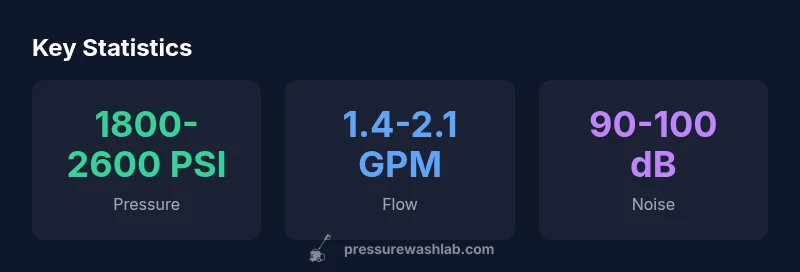
Typical Aldi petrol washers provide a consumer-grade PSI range around 1800 to 2600 PSI, with several models offering variations within that band. Always check the model specification before purchasing.
Most Aldi petrol washers sit around 1800 to 2600 PSI, depending on the model.
What maintenance does a petrol washer require?
Petrol washers require routine maintenance such as checking oil, inspecting the carburetor and air filter, and replacing worn nozzle tips. Fuel storage and safe handling routines are also important for longevity.
Keep the oil up, clean the air filter, and replace worn tips. Store fuel safely.
Are Aldi petrol washers suitable for frequent use?
They are best for occasional or weekend projects rather than daily professional workloads. For frequent use, a more robust unit with a stronger service network may be a better long-term investment.
Great for occasional use, not ideal if you clean with high frequency.
How do Aldi models compare to premium brands like Karcher?
Premium brands typically offer stronger build quality, longer warranties, and broader service networks. Aldi units deliver good value for light tasks but may fall short on long-term durability and after-sales support.
Premium brands usually offer more durability and better warranties; Aldi is a value option for light tasks.
What is the typical run time per fuel fill?
Run time varies with engine size and workload. Expect shorter sessions on hot days or during heavy cleaning; refueling between tasks is common for petrol units.
Run time depends on engine size and how hard you work it. You’ll likely need to refuel for longer projects.
Key Takeaways
- Assess your workload before buying
- Expect higher maintenance than electric models
- Use proper nozzle tips and technique for surfaces
- Warranty terms vary by region—verify locally
- Store and handle fuel safely to prevent hazards