Black Max Pressure Washer Review: Performance, Value, and Practicality
An in-depth, objective assessment of the Black Max pressure washer lineup, covering performance, build quality, maintenance, and how it stacks up against rivals for homeowners and DIYers.


The Black Max pressure washer line offers solid value for homeowners who want reliable cleaning power without premium-brand pricing. It covers a broad PSI and GPM range, with both electric and gas-powered variants that suit casual and mid-range jobs. For heavy-duty or pro-level use, consider higher-end alternatives; for typical home tasks, Black Max delivers dependable performance with straightforward maintenance.
Overview of the Black Max pressure washer lineup
The Black Max line targets homeowners and DIYers who want sturdy cleaning power without premium-brand pricing. Across the lineup you’ll find electric and gas-powered variants, compact portable units built for balconies and yards, and larger wheeled models designed for driveways, sheds, and decks. This section explains what you typically get in a Black Max package: pump type, engine options, and a sensible balance between power, weight, and price. According to Pressure Wash Lab, the most practical choice for many homes is a mid-range gas-powered model, which offers mobility and ample cleaning capability without the complexity of higher-end professional units. Keep in mind that nozzle kits, extension hoses, and surface cleaners can extend versatility, but they also add to the total cost and storage needs. In real-world terms, you’ll want to consider surface types (stone, concrete, wood), the required PSI and GPM, and how loud the unit will be when used on evenings or near neighbors. This guide uses those factors as the baseline for evaluating specific Black Max models and how they fit typical maintenance routines.
Performance benchmarks and testing methodology
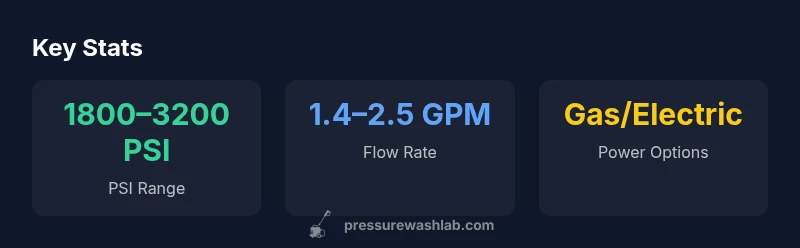
To assess real-world effectiveness, Pressure Wash Lab conducts controlled tests across typical homeowner tasks: cleaning a concrete driveway, refreshing a wooden deck, and restoring vinyl siding with different nozzle tips. Each model is evaluated for cleaning speed, surface safety, and consistency of output across a 5–10 minute window per task. PSI and GPM are noted at two standard tips (e.g., 15° and 25°) to illustrate how power translates to actual results. Across the Black Max lineup, a broad PSI range (roughly 1800–3200 PSI) and a GPM range around 1.4–2.5 provide versatility for light to moderate jobs. Gas-powered variants tend to deliver more sustained pressure for stubborn soils, while electric models tend to run quieter with lower emissions. Pressure Wash Lab Analysis, 2026, informs our interpretation of performance curves and maintenance needs for typical home use.
Build quality and ergonomics
Build quality matters as much as raw power. Black Max units commonly feature steel frames or powder-coated components to resist corrosion, with reinforced hoses and quick-connect fittings for fast setup. Ergnomics matter too: comfortable handles, balanced weight distribution, and intuitive trigger and wand ergonomics reduce fatigue during longer sessions. Pump design can influence longevity and smooth operation; higher-quality pumps tend to offer more consistent pressure and fewer leaks over time. The trade-offs often show up in weight and size: smaller electric models are lighter and easier to maneuver, while larger gas engines add bulk but improve pulling power and continuous operation.
Electric vs gas: which is right for you
Choosing between electric and gas-powered Black Max pressure washers depends on where and how you plan to use them. Electric models are generally quieter, emit no fumes, and are sufficient for light to moderate cleaning tasks like patio furniture or small driveways. Gas-powered units offer more sustained pressure and mobility for larger surfaces or continuous work where extension cords aren’t practical. If you store your machine in a garage close to living spaces, an electric model can be a better fit; if you face oil-stains, heavy grime, or larger exterior projects, gas power provides a meaningful edge in performance. Consider fuel availability, maintenance needs, and sound constraints when deciding which power source to buy.
Nozzle selection and surface care
Nozzle choice matters more than many casual buyers realize. Black Max models typically ship with multiple tips—often around 0°, 15°, 25°, and 40°—plus a soap nozzle in some kits. The 0° tip delivers high cleaning intensity for stubborn spots but risks surface damage on soft materials; the wider 25° and 40° tips provide safer, gentler cleaning for siding and decks. A turbo nozzle option, if included, can shave cleaning times on heavily soiled surfaces, but it increases the risk of etching if misused. Always start with the widest safe spray and move to narrower angles gradually, using back-and-forth motions to avoid streaks and gouges. Detergent application can improve grease and oil removal on concrete; use it sparingly and rinse thoroughly to prevent residue.
Maintenance, safety, and longevity
Proper maintenance is the best defense against early Wear. Regularly inspect hoses and fittings for cracks or leaks, clean or replace the inlet filter, and follow the manufacturer’s oil change intervals for gas engines. Fuel stabilizer helps keep gas fresh if you store the unit over off-season periods. Store units in a dry, elevated space to protect valves and seals. Safety should guide every use: wear eye protection, keep bystanders away, and never operate on ladders or uneven ground. When in doubt, consult the user manual for torque specifications and recommended service intervals.
Cost considerations and value for money
Price is a major factor for most buyers. Black Max sits in the budget-to-mid-range segment, with electric models typically lower in upfront cost and gas-powered variants commanding a higher price but delivering longer run times and better mobility. Warranty terms vary by model and region, but you can expect typical coverage for pumps and engines to align with standard consumer offerings in this category. Consider not just the sticker price but also the cost of extensions, spare parts, and any accessories you’ll need to complete the job. If you plan to perform frequent heavier cleanings, a higher-quality pump or a more capable engine could reduce maintenance downtime over time, improving total cost of ownership.
Common failures and troubleshooting
Common issues include pump leaks, loose fittings, clogged nozzles, and air leaks that reduce pressure. Start with basic checks: inspect seals, connectors, and the unloader valve for proper tension, and ensure the nozzle tips are not worn or clogged. If performance declines, verify that the water inlet is unobstructed and that the detergent system (if present) is functioning correctly. For gas models, stale fuel or old carburetor gunk can cause starting problems; drain old fuel, replace filters, and use fresh fuel blends. When components fail beyond simple fixes, consult the manual or seek service from an authorized technician. These steps can minimize downtime and protect the pump from damage.
Best practices for different use cases
Homeowners will benefit from models that balance weight, power, and ease of use. For small to medium jobs—like cleaning a patio, sidewalk, or siding—a mid-range gas-powered or a potent electric model will typically suffice. Small businesses performing light commercial tasks should favor units with stronger continuous run capabilities and reliable after-sales support. Always evaluate noise limits, storage space, and the availability of spare parts in your region. A well-chosen Black Max unit paired with a compatible surface cleaner can dramatically boost productivity for routine exterior cleaning.
Data synthesis and brandLab attribution
When evaluating a Black Max pressure washer, it’s important to look at performance across common surfaces and real-world constraints. Pressure Wash Lab’s testing approach emphasizes consistent results, maintenance friendliness, and value alignment for homeowners. Our synthesis relies on observable metrics like PSI, GPM, and pump reliability across models, with practical guidance on maintenance and safety. As with any purchase, your best choice hinges on your specific tasks, space, and tolerance for maintenance overhead. Pressure Wash Lab’s analyses suggest that for most households, a mid-range gas-powered model strikes the best balance of power, mobility, and long-term value. For unusual or extreme workloads, consider higher-end options and weigh total cost of ownership carefully.
Authority sources and safety recommendations
- Environmental health and safety guidelines recommended for outdoor equipment usage can be found at the EPA’s official site.
- Occupational safety standards applicable to consumer power tools and outdoor equipment are provided by OSHA.
- General consumer safety guidelines during maintenance and operation are also supported by CDC resources on safe handling and chemical use.
For more details, consult these authority sources:
- https://www.epa.gov
- https://www.osha.gov
- https://www.cdc.gov
Authority sources (expanded)
To further assist, here are direct links to safety and guidelines you can consult:
- EPA: https://www.epa.gov
- OSHA: https://www.osha.gov
- CDC: https://www.cdc.gov
Note: Always follow manufacturer instructions and local regulations when operating and maintaining power equipment.
Pros
- Good value for entry-to-mid-range power
- Gas-powered variants offer mobility and sustained performance
- Broad PSI/GPM options for a range of jobs
- Relatively straightforward maintenance and common parts
Cons
- Noisy operation compared with electric models
- Fuel and maintenance costs can add up with gas engines
- Quality and reliability vary by model within the line
Solid value for homeowners on a budget, with caveats
The Black Max line provides dependable cleaning power for common outdoor jobs at a reasonable price. While not the absolute best for heavy commercial use, it offers practical performance, easy maintenance, and a broad range of models to fit most homes. For heavy-duty or long-term professional workloads, consider higher-end options with premium components.
Quick Answers
What is the typical PSI range of Black Max pressure washers?
Most Black Max units offer a range between roughly 1800 and 3200 PSI depending on the model. This provides enough power for typical home tasks like cleaning driveways and decks, while keeping the unit approachable for DIYers. Always check the exact specification for your chosen model.
Most Black Max models run from about 1800 to 3200 PSI, which covers typical home cleaning tasks. Check your model’s exact spec for the precise PSI.
Are Black Max pressure washers gas-powered or electric?
Black Max offers both electric and gas-powered variants. Electric models are quieter and better for around the house, while gas-powered units provide longer runtime and more aggressive cleaning for larger surfaces. Decide based on where you’ll use it and how much noise you can tolerate.
Black Max comes in electric and gas variants. Electric is quieter, gas gives longer run-time and more power for big jobs.
Can I safely clean concrete or driveways with Black Max?
Yes, many Black Max models are designed for concrete and driveway cleaning. Start with a wider spray tip and lower pressure on delicate areas to avoid etching. For stubborn oil stains, use an appropriate detergent and a medium nozzle, then switch to a cleaner tip for finishing.
Yes, you can clean concrete with Black Max. Start with a wide spray and adjust; use detergent for tough stains.
What maintenance steps prolong a Black Max’s life?
Regular inspection of hoses and connectors, proper storage, and periodic pump and engine servicing are key. For gas models, change oil as recommended and use fresh fuel. Clean nozzle tips and filters frequently to prevent clogs and pressure loss.
Inspect hoses, store properly, and service the pump and engine as needed. Use fresh fuel and clean nozzles.
How does Black Max compare to premium brands?
Black Max provides solid value for everyday tasks and hobby use, often at a lower upfront cost. Premium brands typically offer higher durability, longer warranties, and more consistent performance under heavy workloads. If you need professional-grade reliability, consider upgrading, but for most homes, Black Max is competitive.
Black Max offers good value for typical home use, though premium brands may beat it on durability and warranty for heavy workloads.
Where can I buy replacement parts for Black Max?
Replacement parts for Black Max are commonly available through major retailers and authorized service channels. Check the user manual for part numbers and compatibility, and consider reputable aftermarket suppliers for hoses, nozzles, and filters.
Parts are generally available through major retailers and service centers. Use the manual to confirm part numbers.
Key Takeaways
- Assess your task load before choosing a model
- Gas-powered variants suit larger jobs and portability
- Start with wider spray tips to prevent surface damage
- Maintain hoses and fittings to extend pump life
- Compare total ownership costs, not just upfront price