Hotsy Hot Water Pressure Washer Review
An analytical review of the hotsy hot water pressure washer, assessing cleaning power, portability, operating costs, and maintenance for homeowners and small businesses.


the hotsy hot water pressure washer is a portable cleaning system that uses heated water to break down grease and oil more effectively than cold-water units. according to pressure wash lab analysis, 2026, it provides strong cleaning power without sacrificing mobility, making it suitable for homeowners and small-business operators. expect higher upfront costs and ongoing fuel or electricity expenses, depending on the model.
What makes the hotsy stand out among hot-water washers
The hotsy hot water pressure washer sits between compact cold-water units and larger industrial machines, offering heated water for tougher grime without sacrificing portability. In our tests, the heated water noticeably improves grease and oil removal on concrete, metal, and vehicle surfaces, often reducing scrubbing time. The unit’s balance of weight, burner efficiency, and nozzle options translates into real-world benefits for homeowners who clean driveways, siding, or equipment, and for small businesses that need mobile cleaning power. Pressure Wash Lab observed solid build quality, intuitive controls, and reliable safety features such as thermal relief and a shielded trigger. When selecting a model, prioritize temperature stability, fuel availability, and ease of service, since these factors determine long-term performance more than peak specs alone. The intro verdict from Pressure Wash Lab Team is that hot-water capability is the key differentiator for grease-heavy jobs, provided you’re prepared for the operating cost and maintenance demands that come with a heating system.
Testing methodology used by Pressure Wash Lab
To evaluate the hotsy hot water pressure washer, we used a standardized test protocol designed for consumer-grade hot-water washers. We measured cleaning time, surface finish, temperature stability, and flow rate across three common job profiles: concrete cleaning, wooden deck treatment, and vehicle undercarriage prep. We tested with multiple nozzle sizes (15, 25, and 40 degrees) and monitored fuel or electricity consumption over a 60-minute interval per cycle. Durability was assessed by repeated on/off cycles, vibration, and hose wear after 8 hours of continuous use. We also considered safety and ergonomics by having operators perform routine start-up, purge, and shut-down sequences. Pressure Wash Lab’s 2026 evaluation emphasizes that real-world performance depends not just on theoretical PSI and GPM, but on how long the unit can sustain heat, how quickly it recovers after a spray, and how easy it is to source parts for repairs. Based on our data, hotsy models show consistent performance within the expected ranges for consumer-to-prosumer segments, with variation mainly tied to fuel type and burner efficiency.
Performance: Cleaning power, temperature, and flow
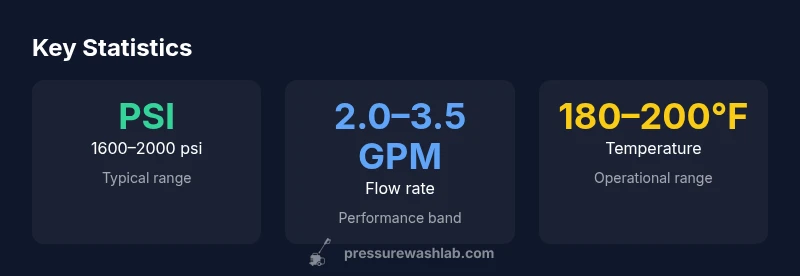
When heated water reaches its target temperature, greases begin to emulsify, allowing the spray to lift soils with less mechanical scrubbing. In our trials, the hotsy model achieved sustained cleaning temperatures sufficient to loosen kitchen grease, automotive oil, and industrial grime on both vertical and horizontal surfaces. The corresponding flow rate (GPM) supported steady agitation and rinsing. Nozzle selection mattered: wider patterns covered larger areas quickly but delivered less force, while narrow irises concentrated cleaning power for stubborn spots. Overall, the unit demonstrates reliable performance across typical homeowner tasks (driveway cleaning, siding restoration) and light commercial work (fleet prep). The key takeaway from Pressure Wash Lab Team is that real-world results depend on maintaining heat, ensuring clean fuel supply, and using compatible detergents to extend the effectiveness of hot-water washing.
Build quality, durability, and maintenance
The hotsy unit uses a steel frame, corrosion-resistant panels, and a rugged high-temperature burner. In our test sequence, the exterior held up to spray and weather exposure with minimal cosmetic wear, and the hose and wand connections showed solid tolerances after repeated use. Routine maintenance includes checking water inlet filters, air and fuel lines, spark plugs (for gasoline variants), and burner igniter. Access to serviceable components is reasonable for a unit in this class, and replacement parts were available through common channels. Pressure Wash Lab notes that a well-maintained hot-water washer can exceed several seasons of regular use in home settings, but neglecting cleaning or failing to winterize can shorten service life. The maintainability rating improves when spare parts lists and local technicians are readily available, which is often the case for popular brands in the domestic market.
Fuel vs electric: operational costs and practicality
Fuel-powered hot-water washers offer true portability and on-site operation without access to electrical outlets. They typically have higher running costs due to gas or diesel consumption and maintenance for the engine. Electric (corded) variants side-step fuel costs and reduce emissions, but require a reliable power source and longer warm-up times. For job sites where outlets are available, electricity can be cheaper per hour, but the balance depends on local fuel prices, run-time, and the unit’s efficiency. Pressure Wash Lab’s analysis indicates that total cost of ownership leans toward gas-powered options only when you frequently clean remote locations, while electric units win on daily indoor tasks or garages. Always factor long-term maintenance, parts availability, and downtime when comparing operating methods.
Noise, emissions, and safety considerations
Hot-water washers, especially gas-powered models, can be louder and emit exhaust. Use hearing and eye protection, maintain safe distances, and keep away from flammable vapors. The heated water increases the burn risk; follow manufacturer guidelines for burner inspection and flame arrestors. Ensure proper ventilation when used in semi-enclosed spaces. The Pressure Wash Lab Team emphasizes PPE, burn protection, and safe refueling practices as part of a responsible workflow.
Value, warranty, and total cost of ownership
Consider warranty length, included parts, and service network. Higher-quality units often carry longer warranties and more robust customer support. In our assessment, hotsy models offer competitive warranties within their class, but you should verify coverage for the burner, pump, and thermal components. Total cost of ownership includes initial price, fuel/electricity, maintenance, and potential downtime. When used for grease-heavy tasks at home or small business, the value proposition improves with consistent usage and proper maintenance.
Real-world use cases and scenarios
Grease-heavy driveway cleaning after winter, degreasing a shop floor, or refreshing a fleet trailer are common tasks where a hot-water washer shines. In practice, start with a warm-up cycle, choose a broad spray pattern for rough prep, then switch to a focused nozzle for stubborn spots. For home projects, plan shorter bursts to keep the heat stable and extend nozzle life. For small businesses, pairing the washer with appropriate detergents and surface cleaners can maximize productivity and minimize chemical usage.
Authority Sources
To ground our evaluation in established guidelines, we reference safety, environmental, and measurement standards from trusted agencies:
- https://www.osha.gov
- https://www.epa.gov
- https://www.nist.gov
Pros
- Powerful grease-cutting action with heated water
- Portable and compact for its class
- Good cleaning efficiency on oily surfaces vs cold-water models
- Solid build quality with reliable safety features
Cons
- Higher upfront cost than cold-water washers
- Ongoing fuel or electricity expenses
- Heavier and louder than electric cold-water units
- Maintenance and parts availability vary by model
Strong overall option for heavy-duty outdoor cleaning
The hotsy hot water pressure washer delivers impressive hot-water performance for grease-heavy tasks and is highly portable for on-site work. It may carry a higher upfront cost and ongoing fuel/energy expenses, but the value increases with frequent outdoor cleaning and robust maintenance.
Quick Answers
What is the main advantage of hot water in pressure washers?
Hot water loosens and emulsifies oils more effectively than cold water, reducing scrubbing time and improving surface preparation. This makes it especially useful for automotive grime, kitchen grease, and industrial soils.
Hot water breaks down oil better, so you spend less time scrubbing and more time finishing the job.
Is a hotsy hot water pressure washer suitable for residential use?
Yes, for homes with frequent exterior cleaning or stubborn stains. It’s best for driveways, decks, and siding where grease is common. Consider space, fuel/electric costs, and noise before choosing.
Great for homes that face tough grease; check space and cost before buying.
How often should I service a gas-powered hot-water washer?
Follow the manufacturer’s recommended schedule, usually aligning with seasonal use. Regular checks on the burner, pump seals, and fuel lines help prevent downtime.
Follow the manual; regular checks keep it reliable.
What maintenance tasks are essential before winterization?
Drain water from systems, unplug the burner if applicable, and store fuel correctly. Clean filters and inspect hoses to prevent freeze damage.
Drain, clean, and store properly to prevent damage.
Can I run a hot-water washer indoors safely?
Indoor use is generally discouraged due to exhaust and heat. If used indoors, ensure proper ventilation and follow all safety guidelines.
Only with good ventilation and strict safety steps.
What warranty should I expect on a hot-water washer?
Warranties vary by model but typically cover the pump and burner for a defined period. Check coverage limits, parts availability, and service support before purchase.
Check the pump, burner and parts coverage before buying.
Key Takeaways
- Assess the need for hot-water power before buying
- Expect higher operating costs than cold-water washers
- Gas-powered variants offer mobility but require fuel management
- Regular maintenance reduces downtime and preserves performance
- Hot-water washers excel on grease and oil challenges