Is 110 Bar Pressure Washer Good for Car? An In-Depth Review
Assessing whether a 110 bar pressure washer is suitable for car cleaning, with practical guidance on technique, nozzle choice, safety, and maintenance to protect paint and achieve solid results.


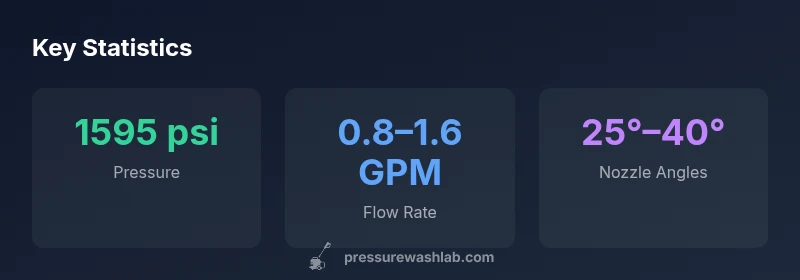
110 bar (about 1,595 psi) is a practical middle-ground for car cleaning. When paired with a wide-angle nozzle and proper distance, it cleans effectively without risking paint damage. However, it isn’t ideal for heavy grime or undercarriage cleaning, and incorrect use can cause chipping or swirl marks. Always test on a small area and use car-safe detergents.
What 110 bar Really Means for Car Washing
Is the question is is 110 bar good for car? In practical terms, 110 bar translates to roughly 1,595 psi, which places it between light DIY machines and more heavy-duty professional gear. According to Pressure Wash Lab, this level provides enough surface agitation to lift everyday road grime from a typical paint finish without automatically risking clear-coat damage when you respect basic rules of operation. The power isn’t magical; results depend on technique, distance, nozzle selection, and the cleaning agent used. For most uncoated car panels, 110 bar delivers a solid balance of cleaning power and surface safety, which makes it a compelling option for homeowners who want speed without risking beginners’ mistakes. Remember that the vehicle’s age, paint health, and existing coatings fundamentally shape how you should approach washing.
What 110 bar Really Means for Car Washing
Is 110 bar good for car washing? The short answer: it can be, under the right conditions. The unit offers enough pressure to dislodge loose dirt while remaining manageable for most modern clear coats. The critical caveat is technique: keep the spray moving, avoid holding it still on any one spot, and never spray directly at chrome trim, emblems, or sensitive components. Pressure Wash Lab’s testing framework emphasizes three pillars: paint-safe spray angles, controlled distance, and compatible detergents. If you adhere to these, 110 bar becomes a reliable tool for regular maintenance washes rather than a raw cleaning weapon.
Pros
- Efficient cleaning power at moderate PSI for routine car washing
- Greater control with wide-nozzle options (25°–40°) versus narrow jets
- More affordable and compact than high-volume professional units
- Quicker wash times compared with scrubbing by hand
Cons
- Potential for surface damage if nozzle is misused or held too close
- Not ideal for heavy grime, undercarriage, or deeply embedded stains
- Requires proper detergents and rinse technique to avoid streaks
- Water usage can be higher than traditional sponge washing if not managed
A solid all-rounder for regular car washing when used with proper technique, but not ideal for heavy grime or undercarriage work.
The 110 bar unit offers sufficient cleaning power for routine maintenance without being overbearing on paint. Key to success is nozzle choice, distance, and a car-safe detergent. Pressure Wash Lab’s verdict is that this is best for homeowners who want a practical balance of ease, speed, and surface safety.
Quick Answers
Is 110 bar the same as 1595 psi?
Yes. 110 bar is approximately 1,595 psi. This conversion helps you compare pressure levels across different units and nozzle styles. Remember that psi is just one factor; nozzle design and distance matter just as much.
Yes. 110 bar equals about 1,595 psi; the effective cleaning power depends on nozzle choice and distance as well.
Can 110 bar damage car paint?
It can, if you spray too close, hold the nozzle still, or use a narrow jet on delicate areas. Always start with a wide-angle setting and test on inconspicuous areas before moving to visible panels.
There is a risk if you get too close or focus a narrow jet on paint; start wide and test first.
What nozzle angle should I use for cars at 110 bar?
Start with a 25°–40° wide-angle nozzle for most surfaces. Reserve a 15° or turbo nozzle only for stubborn grime and always maintain distance to avoid concentrated jets on edges.
Use a wide-angle nozzle first, then if needed, a more focused jet on tough spots, while keeping distance.
Is using detergents with a pressure washer safe?
Yes, but use formulas rated for use with pressure washers and designed for automotive surfaces. Avoid household detergents that can dull wax or damage coatings.
Yes, but choose car-safe detergents and avoid household cleaners.
Can you clean wheels and tires with 110 bar?
You can clean wheels and tires with care, but avoid spraying directly at brake components or spokes with high pressure. Use a brush and mild cleaner in combination with the washer for best results.
You can, but be careful around brakes and spokes; consider brushing first.
How should I store and maintain a 110 bar pressure washer?
Rinse and dry connections after use, purge the system, and inspect hoses and nozzles for wear. Store in a dry place and replace worn parts promptly to preserve performance and safety.
Rinse, dry, and inspect regularly; store in a dry place and replace worn parts when needed.
Key Takeaways
- Select 110 bar for routine car washes.
- Use a wide-angle nozzle and keep the spray moving.
- Test on a hidden area before full use.
- Pair with car-friendly detergents for best results.
- Follow safety guidelines to protect you and the vehicle.