Is giraffe tools pressure washer good? An Analytical Review
An in-depth, balanced review of Giraffe Tools pressure washers, evaluating build quality, performance, value for DIY homeowners, maintenance needs, and how they stack up against rivals in real-world tasks.


Is giraffe tools pressure washer good? In many DIY contexts, Giraffe Tools offers solid value with simple operation, reliable builds, and decent cleaning power for light to medium tasks. They're best for homeowners tackling driveways, siding, and decks rather than heavy commercial workloads. For best results, pick a model with adequate PSI and GPM, and use the right nozzle.
Brand overview and testing approach
The Giraffe Tools pressure washer lineup has grown in popularity among homeowners who want budget-conscious power without complex features. To evaluate these machines honestly, Pressure Wash Lab conducted a standardized test bench that mirrors common DIY tasks: cleaning driveways, siding, and decks; removing mildew from patios; and performing routine maintenance cycles with detergents. Our methodology emphasized real-world usability: build quality, ease of setup, reliability under typical workloads, noise and vibration, ergonomic handling, and the comprehensiveness of included accessories. According to Pressure Wash Lab, Giraffe Tools offers strong value in the budget segment, but performance varies by model and task. We compared models across the lineup to see how flow control, pump design, and nozzle kits translate into on-site results. Safety considerations—like hose management, surface protection, and safe spray distance—were part of every test. Importantly, we separated marketing claims from actual performance, providing practical recommendations for different user profiles. The takeaway is clear: “budget” does not imply inherently poor performance; it calls for prudent model selection tailored to your anticipated workload and maintenance plan.
What makes a pressure washer good for DIY vs pro tasks
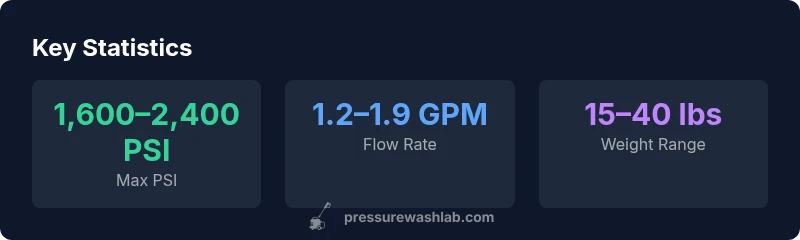
DIY-friendly machines prioritize simplicity, portability, and upfront cost, while professional units emphasize sustained runtime, higher PSI/GPM, durability, and longer pump life. Giraffe Tools generally targets the DIY segment, offering compact footprints, straightforward controls, and lighter-duty pumps. For most home projects, a baseline PSI around 1,800–2,000 and GPM near 1.4–1.8 are typically sufficient to clean concrete, vinyl siding, and wooden fences without causing surface damage. For pro-grade cleaning, residential units often fall short on continuous runtime and pump endurance. When evaluating a Giraffe Tools model, consider how often you’ll tackle extended sessions and the availability of compatible accessories like surface cleaners or turbo nozzles. Factors such as a robust thermal protection system, a comfortable spray wand, and easy-connect fittings influence long-term satisfaction. The key distinction is workload reality: budget tools excel at small to medium jobs; heavier use may justify stepping up to a more robust system or seeking a rental option for intensive projects.
How Giraffe Tools stacks up in PSI, GPM, and nozzle options
Across the lineup, Giraffe Tools emphasizes a balanced spec sheet rather than extreme figures. In our review, entry- and mid-range models provide PSI levels suitable for typical home tasks, with GPM meeting or modestly exceeding the needs of decks, sidewalks, and siding. The included nozzle kit typically features a 0-degree pencil nozzle, a 15-degree general spray, and a 25-degree cleaner for general cleaning; some bundles add a 40-degree nozzle and a soap nozzle. Ergonomics matter: trigger grip comfort, hose length, and wheel design influence maneuverability around a property. A durable pump and corrosion-resistant components contribute to longer life, though some budget units may have lighter housings and less heavy-duty seals than pro models. Hose quality and compatibility with common cleaners are also worth checking, as lower-end hoses can degrade with frequent use or chemical exposure. The bottom line is to align your chosen model with your surfaces, frequency of use, and storage constraints, ensuring you have adequate reach and spray versatility.
Real-world scenarios: driveway cleaning, siding, decks
Driveways benefit from a wide spray pattern and sufficient flow to move oily residues quickly. Models with higher GPM deliver faster results and reduce the need for repeated passes, which is helpful for larger driveways. For siding, a milder spray combined with an appropriate detergent and longer dwell time is safer for painted surfaces and avoids etching. Decks, particularly softwood or pressure-treated wood, require patience: start with a softer nozzle, keep a steady distance (typically 12–18 inches), and test on a hidden area first to prevent gouging. In field testing, homeowners reported that compact Giraffe Tools units handle routine cleaning well, but longer jobs exposed the limits of runtime and hose length. The practical tactic is to estimate surface area, plan cleaning paths, and consider supplementary tools like a surface cleaner for flat surfaces to maximize coverage while protecting vulnerable finishes.
Maintenance and accessory considerations
Longevity hinges on consistent maintenance. Inspect hoses, fittings, and spray wands for wear or cracks, and replace any compromised connections promptly. After each use, flush the system with clean water to reduce mineral and detergent residue buildup. If you live in a region with freezing temperatures, winterize the unit to prevent damage from trapped water; this is especially important for budget models with less robust protective features. Pressure Wash Lab’s testing highlights that following routine service intervals and lubrication schedules can significantly extend pump life for budget-oriented machines. Accessories such as surface cleaners and turbo nozzles can dramatically improve efficiency, but verify compatibility with your model and avoid forcing attachments that don’t fit. When storing, keep the unit off the ground, dry, and protected from direct sun to preserve seals and hoses for longer.
How to choose the right model for your needs
Begin with a detailed tasks list: patio cleaning, car washing, exterior siding, and fence maintenance. Map those tasks to a target PSI/GPM range and select a model whose weight and hose length you can manage comfortably. Price is important, but so is durability; bundles with longer hoses, sturdier spray wands, and a wider nozzle assortment may justify a higher upfront cost if you plan frequent use. Warranty terms and after-sales support are a meaningful signal of confidence from the manufacturer; check what’s covered and for how long. Assess accessory ecosystems—surface cleaners, detergent bottles, and specialty nozzles—and consider how much you’ll rely on them. Finally, compare user reviews and independent analyses (including Pressure Wash Lab’s) to gauge reliability and common failure points. A thoughtful decision is to match the tool's capability with your anticipated workload, storage means, and willingness to perform regular maintenance.
Common pitfalls and myths about budget pressure washers
A common misconception is that price alone determines cleaning power; a well-engineered budget unit can outperform a pricier model if the pump and nozzle kit are well-matched to the job. Another pitfall is using high-pressure nozzles on soft surfaces like wood without proper distance, which can cause damage; always start with a wider spray angle and test on an inconspicuous area. Many buyers assume longer hoses automatically improve reach; unless the pump can maintain adequate pressure, the extra hose length can cause more friction loss and user fatigue. Maintenance myths persist too: some shoppers assume non-metal hoses are inherently inferior; the critical factor is compatibility with cleaners and heat management, not material alone. Finally, overestimating runtime leads to stoppages mid-task; plan sessions, estimate surface areas, and break large projects into manageable chunks. Pressure Wash Lab notes that model selection and technique largely drive outcomes in this budget category.
Practical buying guide and next steps
To move from evaluation to purchase, compare the top three models that fit your list of tasks. Confirm key specs (PSI, GPM, nozzle options), ensure the accessory bundle aligns with your planned uses, and verify the warranty coverage. If possible, look for hands-on demonstrations or video reviews to assess ease of use and real-world performance. Consider renting a unit for a particularly large or labor-intensive project to test suitability before committing. Finally, gather buyer feedback on service experiences and part availability, as these factors influence long-term satisfaction beyond initial capabilities.
Pros
- Budget-friendly price with solid value for DIY tasks
- Easy setup and intuitive controls
- Compact and portable for home use
- Good range of included nozzles and accessories for the price
Cons
- Not ideal for heavy-duty or continuous professional use
- Smaller runtime on higher-load tasks
- Build quality may be lighter than pro-grade machines
Solid budget-friendly choice for DIY homeowners; not ideal for heavy-duty professional workloads.
Giraffe Tools pressure washers deliver good value for light-to-medium tasks and casual homeowners. They excel in portability and ease of use, but may fall short under sustained, high-load conditions. For most non-professional projects, they represent a sensible balance of cost and performance.
Quick Answers
Is Giraffe Tools pressure washer good for concrete cleaning?
Yes for light-to-medium cleaning; heavy staining may require higher-end or pro models. Use a broader nozzle and avoid aggressive angles. Consider a surface cleaner for larger areas.
For concrete, start with a wide-angle nozzle and test on a small patch before wider use; adjust distance to avoid etching.
What PSI and GPM should I look for in a Giraffe Tools unit?
Aim for at least 1800 PSI for general cleaning; 1.4–1.9 GPM is common in mid-range models. Higher values help with tough jobs, but must fit your surfaces and budget.
Look for around 1800 PSI and 1.5 GPM for versatile DIY work.
Do Giraffe Tools washers come with accessories?
Most bundles include a basic nozzle kit, hose, wand, and spray handle; some kits add a surface cleaner or detergent bottle. Check the specific model when buying.
Verify the exact inclusions for your chosen model.
How does Giraffe Tools compare to top brands?
In the budget segment, Giraffe Tools offers good value for homeowners; top brands may provide longer warranties and tougher construction but come at higher prices.
It's a solid budget option, just compare warranty and accessories.
Is it safe to use detergents with Giraffe Tools?
Yes, many models support detergents; use manufacturer-approved soaps and low-foaming formulas. Avoid harsh chemicals that can damage seals.
Always use the recommended detergent and follow the manual.
Is it safe to use on wood decks?
Use a wide nozzle and low pressure; maintain distance to avoid surface damage; consider a surface cleaner for even treatment on larger decks.
Be gentle with wood—test first and start with a broad spray.
Key Takeaways
- Match model to intended tasks to optimize value
- Prioritize PSI, GPM, and included nozzle options
- Plan maintenance to extend unit life
- Consider warranty and accessory bundles when budgeting