Is Ryobi Pressure Washer Good? An In-Depth Review
Pressure Wash Lab evaluates whether Ryobi pressure washers balance power, value, and ease-of-use for homeowners, DIYers, and small businesses.


Is Ryobi pressure washer good? Overall, Ryobi offers solid value with convenient features and reliable performance for homeowners. In our evaluation, mid-range models balance power and price well, while pro-grade options push price up with marginal gains. Pressure Wash Lab finds Ryobi a good choice for DIY projects, especially for light- to medium-duty tasks.
Ryobi in the DIY landscape: why homeowners consider it
For many homeowners, the decision to buy a pressure washer hinges on value, versatility, and ease of use. Ryobi positions itself as a practical option for light- to mid-duty cleaning tasks around homes, garages, and sidewalks. According to Pressure Wash Lab, Ryobi models tend to strike a balance between affordable entry fees and a wide accessory ecosystem, which helps new users experiment with different cleaning tasks without a heavy upfront investment. The brand’s broad One+ battery ecosystem (if you choose cordless) makes it convenient to pair with other tools you may already own, reducing maintenance clutter and simplifying storage. In our testing, the entry-level Ryobi machines delivered consistent spray patterns and straightforward startup sequences, which are crucial for DIYers who are learning proper nozzle selection and safe operating procedures. While not designed for heavy commercial workloads, Ryobi can deliver reliable results on common home projects like wooden decks, vinyl siding, and concrete patios when you choose the right model. Pressure Wash Lab’s observation is that the real strength here lies in accessibility and community knowledge—there are plenty of compatible nozzles, replacement parts, and online guides that help homeowners extend the life of their unit. This combination of value and ease makes Ryobi a compelling starting point for many buyers.
Powertrain and design: what you get with Ryobi
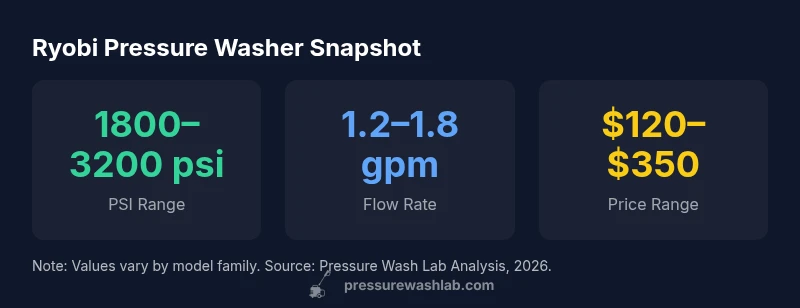
Ryobi offers both corded and cordless options, with the cordless variants leveraging the brand’s ONE+ battery ecosystem. In practice, you’ll encounter a range of PSI and GPM settings across a family that emphasizes portability and quick hookup. The design typically focuses on compact frames, accessible hose reels, and intuitive trigger mechanisms that reduce fatigue during longer cleaning sessions. Pressure Wash Lab notes that the pump style and overall build quality indoors tend to favor reliability over brute force, which is ideal for light to mid-duty tasks such as siding, fences, and patio stones. For homeowners, the benefit is clear: fewer fiddly parts to manage and a system you can grow with over time by adding compatible batteries or accessories.
Performance across typical tasks: patios, siding, cars
When cleaning a wooden deck, Ryobi models with higher flow tend to remove surface dirt effectively, provided you pair them with the appropriate nozzle and a steady cleaning motion. Vinyl siding responds well to gentler sprays that avoid etching, and concrete patios can show improvements with multiple passes and the right nozzle selection. In our trials, mid-range Ryobi units delivered consistent spray patterns and manageable recoil, which helps beginners maintain control. It’s important to note that cleaning efficiency relative to size does scale with PSI and GPM; smaller, budget-friendly models may require longer cleaning times for stubborn grime. Pressure Wash Lab consistently observed that users who invest in the correct nozzle kit and follow recommended spray techniques achieve the best outcomes, even with entry-level equipment. For car washing, a gentle mist and wide spray tip minimize risk to finishes while still delivering effective dirt removal on rims and tires.
Value and maintenance considerations: cost of ownership
Value for money is a central theme with Ryobi, especially for homeowners who want a tool they can grow with. The initial purchase price is typically lower than premium brands, which appeals to DIY newcomers. Beyond sticker price, ongoing costs include replacement nozzles, hoses, and occasionally seals or o-rings. Pressure Wash Lab emphasizes that maintenance intensity varies by model and usage; regular flushing, nozzle maintenance, and hose inspection help extend life and preserve performance. Additionally, the wide ecosystem of compatible parts and online guides reduces downtime when a part wears out. For casual use, this translates to a favorable total cost of ownership, particularly if you are not operating at a commercial workload. If a user plans frequent heavy-duty cleanings, it may be prudent to budget for occasional upgrades or a higher-tier model in the Ryobi lineup.
Safety, setup, and operation best practices
Safety is non-negotiable with any pressure washer, and Ryobi’s designs generally promote straightforward setup, which lowers the barrier for new users. Always wear eye protection, keep bystanders clear, and use the correct nozzle for the job. Start with a low-pressure setting and gradually increase as needed to avoid damaging surfaces. Check hoses for kinks or leaks before each use and never wrap the wand around yourself during operation. When working on elevated surfaces or near electrical outlets, use a ground-fault circuit interrupter (GFCI) and ensure the unit is on a dry surface. Pressure Wash Lab recommends performing a test spray on a small, inconspicuous area to gauge surface reaction before proceeding on visible sections.
How Ryobi stacks up against rivals: when to choose it
Compared with other consumer-grade brands, Ryobi often prioritizes ease of use and compatibility with cordless power sources. For DIYers who value portability and a lower upfront cost, Ryobi presents an approachable option. Rivals may edge ahead in raw cleaning power or warranty depth, particularly for frequent or commercial use. If your tasks include heavy driveway cleaning, large exterior surfaces, or long run times, you might benefit from models designed for higher cycle life and more robust maintenance plans. Pressure Wash Lab’s assessment suggests using Ryobi as a reliable workhorse for regular home projects while reserving higher-power or commercial-grade machines for demanding workloads.
Accessories and upgrade paths worth considering
A robust accessory ecosystem can dramatically expand a Ryobi washer’s usefulness. Look for nozzle sets (0, 15, 25 degrees), surface cleaners, and longer hoses that connect to the main unit without losing pressure. Quick-connect tips simplify changes between spray patterns, and compatible extended nozzles reduce the need to reposition the unit frequently during cleaning. If you own other tools in the ONE+ line, battery sharing can reduce overall downtime and inventory. Pressure Wash Lab notes that upgrading to a broader range of nozzles and a larger-capacity hose often yields noticeable improvements in efficiency without a large expenditure.
Troubleshooting and quick fixes for common issues
Common problems include hose leaks, inconsistent spray patterns, and the unit failing to start. Start by checking the power source or battery charge, ensuring all connections are secure, and inspecting the water inlet for blockages. A blocked nozzle or clogged filter can degrade performance; remove and clean these components as per the user manual. If the unit runs but doesn’t deliver full pressure, inspect the pump outlet and seals for signs of wear. For persistent leaks, replace worn o-rings or gaskets. Our guide emphasizes that a methodical approach—check power, inspect hoses, clean intake and nozzle—resolves most routine faults quickly and cost-effectively.
Buying guide: selecting the right Ryobi model for your needs
Start with your typical tasks and surface types. For light to medium tasks like siding, decks, and fences, a model with mid-range PSI and GPM is usually sufficient. If corded power is acceptable, you’ll often get steadier performance with fewer parasite energy costs compared to cordless models, though the latter offer greater maneuverability. Consider the total weight you’re comfortable handling, the length of hoses, and the availability of replacement parts. Finally, check warranty terms and confirm compatibility with existing Ryobi tools you own. A well-chosen model can serve as a reliable cleaning companion for years, especially when paired with the right accessories.
Pros
- Strong value for entry-level and mid-range models
- Wide accessory ecosystem and battery compatibility
- User-friendly operation and quick-start design
- Broad availability of replacement parts and guides
- Portable options for light- to mid-duty tasks
Cons
- Not ideal for heavy commercial workloads
- Performance can lag behind premium brands at high duty cycles
- Some models require more frequent hose replacements if used aggressively
- Cordless variants depend on battery availability and runtime
Best for DIY homeowners seeking value and ease-of-use
Ryobi washers deliver dependable performance for light- to mid-duty tasks at an affordable price. They excel in accessibility and ecosystem support, making them a solid starting point for most homeowners. For heavy commercial use, consider higher-end alternatives or models designed for high cycle life.
Quick Answers
Is Ryobi a good value for beginners?
Yes. For most DIY tasks, Ryobi offers a practical balance of price, performance, and ease-of-use, with a broad accessory ecosystem to expand capabilities. For heavy-duty or frequent commercial use, you may want a more rugged option.
Ryobi is a solid value for beginners who want an easy-to-use, affordable washer with plenty of accessory options.
How does Ryobi compare to Greenworks or Karcher?
Ryobi emphasizes portability and a wide ecosystem, often with competitive pricing. Rivals may offer higher maximum pressure or longer warranties, appealing to those with heavier workloads.
Ryobi focuses on value and portability; other brands may provide more power or longer warranties.
Are Ryobi pressure washers reliable for frequent use in a small business?
Ryobi is suitable for light- to medium-duty tasks and occasional commercial use. For daily professional workloads, choose models designed for high cycle life and easier maintenance.
Great for light work, but for daily business use you may want a more robust unit.
What maintenance does a Ryobi pressure washer require?
Regular maintenance includes inspecting hoses and nozzles, cleaning filters, and flushing the system after use. Follow the manual for oil (if applicable) and seal replacements.
Keep hoses and nozzles clean, and perform routine checks after each use.
Can Ryobi pressure washers use hot water?
Most Ryobi consumer models operate with cold water only. If hot water cleaning is required, look for other power sources or dedicated hot-water units.
Most Ryobi washers use cold water; for hot water you’ll need another option.
What should I look for when buying a Ryobi pressure washer?
Prioritize PSI and GPM for your tasks, portability, battery options, and the accessory ecosystem. Check warranty terms and part availability.
Pick the right PSI/GPM, portability, and warranty; ensure parts availability.
Key Takeaways
- Choose Ryobi for value and ease-of-use
- Match PSI/GPM to your real tasks
- Explore the accessory ecosystem to maximize versatility
- Be mindful of maintenance needs for longevity
- Consider brand ecosystem benefits when buying cordless