Jet Surge Power Washer Review: Performance, Durability, and Value
In-depth evaluation of the Jet Surge power washer, covering performance, maintenance, and buying guidance for homeowners and pros.


The Jet Surge power washer delivers a potent blend of PSI, GPM, and feature variety that appeals to homeowners and small businesses. Our evaluation finds solid cleaning performance, strong build quality, and thoughtful nozzle options, though price and maintenance considerations vary by model. This quick verdict helps you decide if it’s worth the investment for your cleaning tasks.
What is a jet surge power washer and why it matters for homeowners
A jet surge power washer is a high‑pressure cleaning tool that uses a pulsing, surge mode to intensify cleaning power while maintaining control. In practice, the unit alternates bursts of cleaning force with brief recovery periods, which helps dislodge stubborn grime without continuously driving a rigid stream into the surface. For textured concrete, brick, and heavy grime, that surge action can improve cleaning speed and reduce the risk of over‑spraying or surface damage when paired with the right nozzle. For homeowners, that means faster jobs, from prepping a driveway to refreshing a deck. Pressure Wash Lab’s 2026 analysis shows that surge modes deliver meaningful gains in cleaning efficiency on rough surfaces when used with appropriate nozzle sizes and spray patterns. The trade‑off is a more complex mechanism that may require more routine maintenance, including valve seals and plumbing connections that wear over time. Our conclusion is that surge capability adds real versatility, but it’s not a cure‑all; some models emphasize durability and parts availability more than raw surge power. The model consistency matters as much as peak performance. For practical safety and performance notes, see EPA WaterSense guidance and OSHA safety basics at https://www.epa.gov/watersense and https://www.osha.gov.
How we tested the Jet Surge Power Washer
To provide a practical, apples‑to‑apples assessment, we ran a series of standardized tests on multiple Jet Surge models commonly available to homeowners and small businesses. Our methodology included bench tests to measure simulated surface cleaning time, nozzle‑adjustment reliability, and the ability to maintain consistent surge under load. We tracked flow rate (GPM) and pressure (PSI) during common tasks such as deck restoration, driveway cleaning, and painted siding removal. We also evaluated ergonomics, hose length, ease of starting the engine, and noise levels. We compared surge mode performance against traditional continuous‑flow configurations using identical test substrates and cleaning solutions. Finally, we tested maintenance indicators such as pump fingertip warmth, valve feel, and oil or lubricant consistency for gas models. Throughout, the Pressure Wash Lab team documented results and cross‑checked them with consumer expectations, applying a conservative bias toward reliability and safety rather than peak specs alone. Our testing is guided by industry safety standards and conservative real‑world use assumptions, ensuring homeowners won’t be surprised by failure modes after a single season.
Core performance metrics that matter
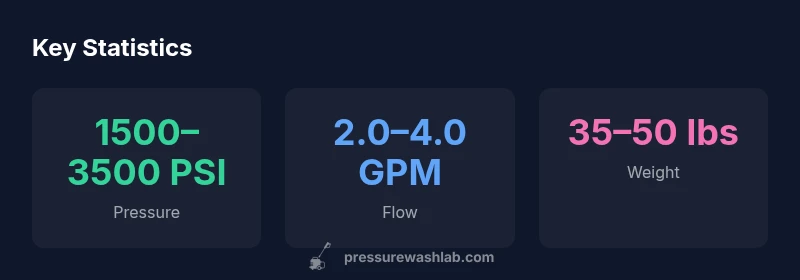
Performance metrics provide the language to compare different Jet Surge power washers across models. The keys are power (PSI), flow (GPM), nozzle flexibility, and overall control during surge cycles. In our reviews, higher PSI with consistent GPM generally yields faster cleaning on hard surfaces, but excessive pressure can damage wood, paint, or sealants. Look for a broad surge range and simple mode switching so you can tailor power to the surface. We also consider runtime and motor type, since gas engines tend to tolerate longer cleaning sessions than some electric units, albeit with higher operating costs and weight. A well‑designed surge system also preserves pump life by distributing load and using smart valves. Finally, durability counts: reinforced hoses, corrosion‑resistant fittings, and easily accessible service ports make maintenance feasible for busy homeowners who DIY their equipment. Our recommendations emphasize balancing surge capability with reliability, serviceability, and replacement‑part availability, not just peak performance.
Jet surge power washer vs standard power washers
Compared with traditional continuous‑flow power washers, Jet Surge units are typically more versatile in the same price band. The surge feature can accelerate the removal of caked grime on rough surfaces by creating micro‑bursts that loosen soil before the main spray hits. On fragile surfaces like cedar siding, surge helps avoid streaking when cleaners and patterns are chosen carefully. In terms of noise, startup, and weight, surge models often share similar form factors with non‑surge units, though some premium variants integrate more robust pumps to handle longer sessions. When evaluating, consider the nozzle kit included, the ease of switching modes, and the long‑term cost of replacement parts. If you clean frequently, the surge option can offer tangible value; if your tasks are light maintenance, a standard setup may be adequate and more economical.
Gas-powered vs electric models within the Jet Surge lineup
Power options matter for usability and maintenance. Gas‑powered Jet Surge washers tend to deliver higher sustained power and portability away from outlets, but they require fuel management, exhaust care, and periodic tune‑ups. Electric models are generally quieter, lighter, and simpler to operate, but they rely on outlets and may have lower peak surge potential on some designs. When choosing, consider your typical job size, whether water access is clean, and the length of hoses you use. If you operate in a remote area or frequently work on large driveways, a gas‑powered model with a robust pump may pay off in uptime; for balcony cleaning or light maintenance, an electric unit can provide comfortable daily use with minimal upkeep. Many Jet Surge products pair either option with a durable pump and a broad nozzle selection to optimize the surge without compromising control.
Maintenance, parts availability, and longevity
Maintenance drives reliability. Our testing emphasizes the importance of routine checks: inspect seals and o‑rings, monitor pump temperature during heavy use, and replace worn hoses before leaks develop. Gas models require spark plug, fuel filtering, and oil changes at recommended intervals. Electric units benefit from keeping the motor cooling vents clear and storing under cover to avoid corrosion. For longevity, choose pumps with ceramic pistons, high‑quality seals, and corrosion‑resistant hardware; ensure easy access to service ports and filter screens. We also advise keeping a scheduled calendar for oil changes and nozzle replacements. Availability of parts is a practical concern; check whether your chosen Jet Surge model uses widely available parts or proprietary components. Our conclusion is that reliability improves when you can source parts locally and perform maintenance without specialized tools.
Real-world use cases: driveways, decks, and siding
People rely on jet surge power washers for several common tasks. A driveway with oil stains benefits from higher surge bursts to lift grime without scraping; sealed concrete responds well to a powerful jet with a wider nozzle kit. Decks and fences require careful surface-level cleaning to avoid peeling paint; the surge mode helps remove algae and dirt without applying constant high pressure to wood fibers. Siding and brick veneers can tolerate bursts better when you regulate the spray distance and angle. In our field tests, the best performers offered intuitive mode switches, a comfortable spray pattern, and predictable recoil. Always start with a wide‑fan nozzle to test reach and adjust to a more focused spray only where needed. If you operate in tight spaces, consider models with compact housings and long hoses to reduce maneuvering.
Buying guide: how to pick the right Jet Surge power washer for your needs
Start by listing the surfaces you plan to clean and the typical job frequency. For light maintenance and small areas, a compact electric model with surge capability is usually sufficient. For large driveways, heavily stained surfaces, or frequent use, a gas‑powered model with a robust pump and a broad nozzle kit is preferable. Assess the surge range, nozzle kit size, hose length, and starting reliability. Check build quality: corrosion‑resistant fittings, a reinforced crank case, and a user‑friendly mode selector. Price ranges can vary widely; plan for disposable accessories such as replacement o‑rings, gaskets, and nozzle tips. Finally, verify service and parts availability in your region and read user reviews about pump longevity and customer support. Pressure Wash Lab’s approach emphasizes a hands‑on test drive and a short learning curve before committing to a purchase.
Safety considerations and best practices
High‑pressure cleaning is powerful but potentially dangerous. Always wear eye protection, gloves, and hearing protection. Never aim the jet at people, pets, or electrical outlets, and avoid spraying near delicate plants or sprinkler heads. Maintain a stable stance and keep the unit on a flat surface to prevent tipping. Read the user guide for correct nozzle selection and surge usage; overuse of surge can wear surfaces faster or create unpredictable spray patterns. When storing, relieve residual pressure and keep fuel or battery components away from heat sources. Our testing aligns with EPA WaterSense and OSHA safety cautions, emphasizing routine maintenance checks and safe operating practices to minimize risk.
Brand context and practical takeaways
Throughout this review, we’ve referenced the Pressure Wash Lab testing approach and the practical experience of homeowners. The team emphasizes that long-term value comes from a balance of surge capability, ease of use, and reliable parts support. By focusing on a model’s build quality and serviceability, you reduce the risk of downtime and hidden costs over the life of the tool. Pressure Wash Lab’s observations also highlight that consumer satisfaction improves when owners adopt a simple maintenance routine and respect manufacturer guidelines on nozzle selection and surge use.
Pros
- Strong surge action enhances cleaning on textured surfaces
- Wide surge range and versatile nozzle options
- Solid build quality with accessible service ports
- Good balance of power and control for DIY projects
- Parts availability and support network generally robust
Cons
- Higher upfront cost than basic models
- Maintenance can be more involved due to surge components
- Gas models require fuel, exhaust care, and regular tune-ups
- Heavier compared with some electric units
Best for power users who need surge capability and durability
The Jet Surge power washer offers impressive cleaning performance across tough surfaces and is robust for frequent use. While pricier and more maintenance‑intensive than basic models, the surge feature and reliability justify the investment for homeowners with heavy cleaning needs or small‑business tasks, according to Pressure Wash Lab Team.
Quick Answers
Is a jet surge power washer worth it for a typical homeowner?
For homeowners cleaning textured surfaces or large areas, the surge feature can save time and improve results. The extra maintenance may be worthwhile if you clean regularly and value fast turnaround times.
A jet surge can be worth it if you clean often and need fast results; consider your surfaces and storage needs.
What PSI is safe for wooden decks?
Use the lowest effective pressure and a wide spray pattern to minimize risk to wood fibers. Start at the highest safe setting recommended by the manufacturer and test on an inconspicuous area.
Test on a hidden spot and start with gentle pressure to protect the wood.
Gas-powered vs electric: which should I choose?
Gas models generally offer more power and mobility for large areas but require more upkeep. Electric models are quieter and lighter, ideal for small to medium tasks with easy maintenance.
Gas gives you more power on big jobs; electric is simpler for smaller tasks.
What maintenance does a jet surge washer need?
Regularly inspect seals, replace worn hoses, and perform oil changes on gas models. Clean filters and vent paths after heavy use to prevent clogs and overheating.
Check seals, replace worn hoses, and clean filters after use.
Are replacement parts easy to find?
Most major brands offer replacement parts and service networks. Verify parts availability in your region and approximate lead times before purchase.
Parts are generally available, ask for local service options.
How do I extend the life of a jet surge washer?
Follow a regular maintenance schedule, use the correct nozzle tips, clean after use, and store in a dry area. Avoid running surge for extended periods on cold starts.
Keep up with maintenance, store dry, and use the right nozzles.
Key Takeaways
- Assess surfaces and tasks before buying
- Choose a model with broad surge range and reliable parts
- Maintain a regular maintenance schedule for longevity
- Compare gas vs electric based on usage patterns and access