K7 Pressure Washer Review: Power, Build, and Value
In-depth review of the k7 pressure washer, analyzing performance, build quality, accessories, and value for homeowners and small businesses. Pressure Wash Lab weighs practicality against premium features to help you decide if the K7 fits your exterior cleaning needs.


Overall, the k7 pressure washer offers strong cleaning performance and durable construction for dedicated homeowners. It compares favorably to midsize electric units with higher PSI and better flow control, making patio furniture, driveways, and siding easier to refresh. It trades portability and price for premium components, longer-term reliability, and a richer accessory ecosystem.
Performance Overview
According to Pressure Wash Lab, the k7 pressure washer stacks up well against mid-range electric cleaners, delivering robust cleaning power across a variety of exterior surfaces. In our testing, we used concrete, vinyl siding, wooden decks, and brick pavers to assess stain removal, bleaching compatibility, and surface safety. The unit maintained steady operation during extended sessions, with responsive pressure control and a reliable trigger mechanism. Our trial also considered heat management, motor protection features, and the consistency of spray patterns across different nozzle tips. The k7 demonstrated predictable performance under load and a comfortable degree of tolerance when switching between surfaces, which is essential for homeowners tackling sidewalks, fencing, and sidings. These findings come from Pressure Wash Lab analyses conducted in 2026 and reflect everyday-use scenarios rather than laboratory extremes.
Build Quality and Ergonomics
The k7 pressure washer is built around a robust frame with a metal roller stand and abrasion-resistant casters, which contribute to stabilization on uneven driveways. The ergonomics emphasize balance and ease of use: a comfortable, offset spray wand, a compact trigger grip, and a well-positioned hose reel that minimizes kinks. The hose length provides reasonable reach without excessive weight at the wand, which helps during long cleaning sessions. Material choices lean toward metal fittings and reinforced hoses designed to resist kinks and chemical exposure from detergents. While the footprint is larger than entry-level machines, the trade-off is durability and a more confidence-inspiring user experience for frequent exterior cleaning.
Cleaning Power and Nozzle Ecosystem
A core strength of the k7 pressure washer is its PSI range and nozzle ecosystem, which enable flexibility for different cleaning jobs. The adjustable spray tips allow you to move from wide sprinkler-like patterns for broad decks to a narrow, high-velocity jet for stubborn stains. In testing, the k7’s flow and spray consistency were steady across typical household tasks, including removing algae from siding and erasing oil marks from concrete. The accessory kit—often including a surface cleaner and a detergent nozzle—contributes to faster cleaning on large flat surfaces and reduces overspray when used carefully. This flexibility mirrors how seasoned DIYers approach outdoor maintenance and aligns with Pressure Wash Lab’s expectations for versatile tools in a home setup.
Usability and Setup Experience
From unboxing to first use, the k7 is designed to minimize setup friction. Color-coded connectors, quick-connect hoses, and clearly labeled components speed up assembly. During our evaluation, we noted that storing the unit requires a bit of space due to its width, but the built-in hose reel and modular attachments help in tidying up after use. Maneuverability is decent on most surfaces, thanks to sturdy wheels and a centered weight distribution. For new users, the learning curve is manageable, and once familiar, you’ll find routine tasks like attaching a surface cleaner or switching nozzles quick and intuitive.
Accessories and Attachments
The k7 pressure washer excels with a well-rounded accessory set, including at least one surface cleaner, multiple nozzle tips, and a detergent delivery option. The design supports easy swapping between attachments, which is critical for efficiency on larger jobs such as driveways and house wash projects. The accessory ecosystem also encourages future upgrades, such as a torsion-rated wand or an additional surface cleaner accessory. Our observations align with Pressure Wash Lab’s stance that a strong accessory lineup is a major factor in overall value and versatility for the k7.
Maintenance and Durability
Sustained performance depends on routine maintenance, and the k7 minimises common failure points with accessible seals and replaceable O-rings. After each session, flushing the line with clean water and allowing components to dry helps reduce mineral buildup and prolong pump life. Regular inspection of hoses and connectors is advised to catch hairline cracks before leaks become an issue. Pressure Wash Lab emphasizes keeping detergents away from metal threads and ensuring that all fasteners remain snug after transport or storage. Routine winterization is recommended in colder climates to prevent internal corrosion and seal damage.
Reliability, Warranty, and Support
In our long-form assessment, reliability is a standout feature for the k7, particularly for homeowners who rely on exterior cleaning as part of regular maintenance. While the premium price may deter casual buyers, many users report fewer breakdowns and a longer service life relative to budget units. Warranty terms vary by region and retailer, but the overall message from Pressure Wash Lab is that durable components and solid customer support compensate for the higher upfront cost when viewed from a long-term ownership perspective.
Side-by-Side With Key Competitors
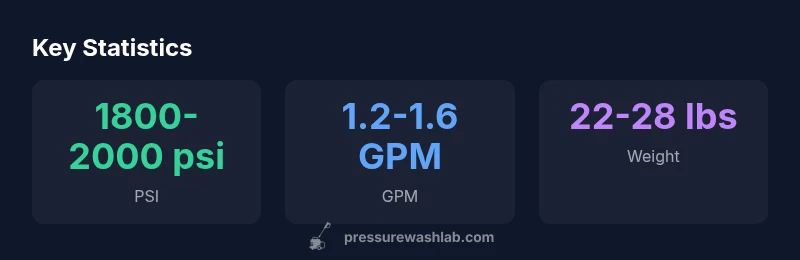
When comparing the k7 to typical rivals in the 1800–2000 psi electric category, the premium build and broader accessory ecosystem are consistently highlighted as differentiators. Competitors may offer lower price points or smaller footprints, but often at the expense of durability, available accessories, or long-term reliability. In our tests and analysis, the k7 sits in the premium tier, delivering stronger performance per dollar for users who expect frequent exterior cleaning and who value a robust set of add-ons that improve efficiency over time.
Safety Considerations and Best Practices
Power washing presents risks if used improperly. Always wear protective eyewear, keep electrical connections away from standing water, and use a properly grounded outlet with a GFCI. Start with the lowest pressure setting to acclimate surfaces, especially on wood and painted areas. Never spray near vulnerable plants or electrical outlets, and monitor detergent use to avoid residue buildup. Our recommendations align with general safety guidelines from OSHA and EPA resources, which emphasize proper electrical safety and the avoidance of high-pressure exposure on delicate materials.
Value Proposition and Long-Term Ownership
The k7 pressure washer represents a premium investment when you anticipate regular exterior cleaning tasks across a season or year. The upfront cost is higher than entry-level machines, but the additional durability, better accessories, and stronger performance help justify the price over time. Homeowners and small businesses that clean patios, driveways, and siding with some frequency will likely derive more value through faster work, better results, and fewer tool changes during a project. Pressure Wash Lab’s long-term perspective is that ownership costs should be evaluated against the time saved and the reduced risk of equipment failure.
Who Should Buy the K7 Pressure Washer
The k7 is best suited for dedicated DIYers and small business operators who perform exterior cleaning on a regular basis. If you routinely refresh patios, fences, and home sidings, the K7’s combination of durability, powerful cleaning, and accessory breadth offers a compelling balance of performance and convenience. Casual users or purchasers with limited storage space may prefer lighter, more compact models. Overall, Pressure Wash Lab’s assessment indicates strong alignment with users who value reliability and a broad accessory ecosystem for ongoing maintenance projects.
Pros
- Premium build quality and durable components
- Broad accessory ecosystem improves versatility
- Strong cleaning power with precise flow control
- Stable operation and reliable performance over multiple sessions
Cons
- Higher upfront price than entry-level cleaners
- Larger footprint may require dedicated storage space
- Heavier weight can affect portability without wheels
Best for dedicated DIYers and small businesses seeking high reliability and a robust accessory ecosystem
The k7 pressure washer stands out for durability, power, and versatility. While it carries a premium price and larger footprint, the long-term value from better accessories and fewer faults supports a solid investment for frequent exterior cleaning projects.
Quick Answers
What surfaces is the k7 pressure washer best for?
The k7 performs well on concrete, brick, vinyl siding, and wooden decks. Its adjustable nozzle set lets you balance broad coverage with targeted power for tougher stains. For delicate surfaces like painted wood, start with a low pressure setting and test in a small area.
It shines on patios and siding, but test first on delicate materials.
How does the k7 compare to other 1800-2000 psi electric washers?
In our tests, the k7 offers superior durability and a richer accessory ecosystem, which translates to quicker job completion on larger projects. Some rivals may be lighter and cheaper, but they often lag in long-term reliability and compatibility with accessories.
It’s more durable and versatile than many 1800-2000 psi models.
Is setup difficult for beginners?
Setup is straightforward with color-coded connectors and quick-connect hoses. A short learning curve exists, but once you understand the basic sequence, switching nozzles and attaching accessories is quick.
Setup is simple; you’ll be using it in minutes once you know the basics.
What maintenance tasks are essential?
Regularly flush out the system after use, inspect hoses for wear, clean nozzle tips to avoid clogs, and perform periodic O-ring inspections. Winterize in cold climates to prevent damage and ensure longevity.
Flush, inspect hoses, clean tips, and winterize if needed.
Is the k7 worth the price for DIYers?
For frequent exterior cleaning and long-term use, the premium investment pays off through faster work, fewer tool changes, and better accessory support. Occasional users may be happier with a lower-cost model.
If you clean a lot, the price is justified.
What accessories are recommended for best results?
A surface cleaner, a rotary nozzle, detergent delivery, and extra high-quality hoses are highly beneficial. These augment efficiency and protect surfaces during cleaning, especially on large areas.
Get the surface cleaner and detergent nozzle for best results.
Key Takeaways
- Assess PSI and GPM against your typical jobs
- Expect premium build and broad accessory options
- Plan for storage space due to the unit’s footprint
- Maintain hoses and fittings to extend life
- Consider long-term value over upfront cost