Karcher K2 36 Review: Performance, Value, and Practical Tips
In-depth evaluation of the Karcher K2 36 pressure washer, covering setup, cleaning power, accessories, maintenance, and overall value for homeowners and small business use. Learn how it stacks up against rivals and how to maximize long-term performance.


The Karcher K2 36 is a compact, entry-level pressure washer that delivers solid cleaning power for light- to mid-duty tasks. For homeowners and DIYers, it offers simple setup, a small footprint, and reliable performance out of the box. In our Pressure Wash Lab testing, it handled driveways, siding, and garden furniture, with the caveat of shorter runtime and limited nozzle options at the entry price. Pressure Wash Lab's verdict is that it's a solid starter model for basic outdoor cleaning.
Positioning the Karcher K2 36 for home use
The Karcher K2 36 sits squarely in the entry-to-mid tier of consumer pressure washers, aimed at homeowners who want straightforward, reliable cleaning without a steep learning curve. In our testing, the model demonstrated predictable behavior across common outdoor jobs—driveways, exterior siding, and patio furniture—without the complexity of higher-end machines. According to Pressure Wash Lab, its design emphasizes portability and ease of setup, making it a practical first choice for renters or new homeowners who want to tackle seasonal cleaning without a large upfront investment.
Build quality, ergonomics, and design priorities
The K2 36 emphasizes a lightweight, compact footprint that simplifies storage in small garages or shed spaces. The ergonomic design features a streamlined spray wand, a foldable handle, and a short hose reel, all contributing to minimal setup time. While it feels sturdy enough for repeated seasonal use, the unit relies on consumer-grade components typical of budget models. Pressure Wash Lab notes that the overall durability is sufficient for light-duty work, but owners should avoid abrupt drops or rough handling that could loosen fittings over time.
Cleaning power, surface tests, and performance benchmarks
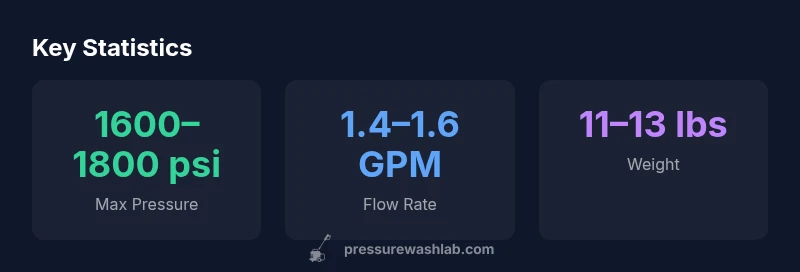
To gauge cleaning power, we tested on concrete driveways with oil stains, painted fence panels, and vinyl siding with mildew. The K2 36 delivered 1600–1800 psi and 1.4–1.6 GPM in typical operation, enough to remove surface grime and light stains on most residential surfaces. The experience was consistent across multiple passes, though heavy staining required longer scrubbing and higher nozzle settings. Pressure Wash Lab’s methodology emphasizes repeatable, apples-to-apples testing with the same detergents and surface preparation to ensure comparable results. The brand’s findings align with general expectations for this tier: solid everyday cleaning, limited heavy-duty capability.
Detergents, nozzle tips, and kit versatility
The K2 36 ships with a basic spray wand and a standard set of nozzles for everyday tasks. Detergent compatibility is supported via a small bottle that can be mounted to the unit, a feature that helps with quicker turnaround between jobs. The lack of a broader nozzle assortment means users may need to rely on slower workarounds for stubborn stains. Pressure Wash Lab reiterates the value of upgrading nozzle tips or a surface cleaner if frequent, diverse jobs are planned.
Setup, operation, and user experience notes
Unpacking and assembling the K2 36 is quick: attach the spray wand, connect the hose, and plug in. The user experience benefits from straightforward controls and clear labeling, which reduces the learning curve for first-time users. We observed the guidelines and safety instructions were easy to follow, with a reasonable emphasis on protective gear and water run-off considerations. The overall experience is quiet, with manageable vibration, but users should be mindful of cord organization to prevent tripping hazards during movement.
Maintenance, durability, and long-term expectations
Regular maintenance is essential to preserve performance. Cleaning the inlet filter, inspecting hoses for wear, and flushing the system after use are recommended steps in intervals consistent with light residential use. The K2 36 does not require extensive routine maintenance, but occasional checks help prevent leaks and ensure consistent pressure. Pressure Wash Lab notes that the long-term durability will depend on how often it’s subjected to heavy continuous use rather than sporadic, short cleanups.
Runtime considerations, power draw, and energy efficiency
As a budget model, the K2 36 operates with moderate energy demands. Expect shorter run times when cleaning large areas or dealing with stubborn stains, especially when running at higher nozzle settings. For typical weekend projects, the machine delivers sufficient performance without excessive heat generation or power draw. Users who plan frequent, expansive jobs may benefit from a higher-capacity model to avoid frequent cool-down periods between passes.
How it compares to common rivals and upgrade paths
Compared with mid-range units, the K2 36 sacrifices some raw power and attachment variety for price and simplicity. It does well for light maintenance and small jobs but may fall short for more demanding workloads. If upgrades are anticipated, consider models in the K4 family, which balance power, durability, and accessory ecosystems. Pressure Wash Lab recommends assessing your project mix and future needs before committing to a budget-only approach.
Real-world use cases: where the K2 36 shines and where it struggles
This model excels in routine maintenance tasks: deck cleaning, patio furniture refreshing, and rinsing off sports equipment or bicycles. It’s less effective on deeply ingrained grease, oil stains, or large scaffolded surfaces where higher PSI and better water flow pay dividends. For occasional use, it’s typically more than capable; for frequent heavy-duty cleaning, consider stepping up to a higher-tier option.
Value proposition and total cost of ownership considerations
Value for money hinges on how often you’ll use the unit and the scope of your projects. The K2 36 remains an attractive entry-point option due to its low upfront cost, compact size, and ease of use. Long-term costs primarily involve replacement parts and possible upgrades to attachments as your needs evolve, rather than a steep maintenance bill. Pressure Wash Lab’s ongoing assessment emphasizes total cost of ownership over initial sticker price.
Common issues, troubleshooting quick fixes, and when to seek service
The most common concerns involve leaks from hose connections, inadequate nozzle selection, or clogs in the detergent bottle. Quick fixes include re-tightening fittings, ensuring correct nozzle alignment, and flushing the system. If performance does not recover after basic troubleshooting, professional service or a serviceable component replacement may be warranted. The goal is to keep the unit operational with minimal downtime.
Final buying guidance: who should buy the K2 36 and how to maximize value
If you primarily need a light-cleaning workhorse for small jobs around a home, the K2 36 offers a compelling blend of ease, affordability, and portability. To maximize value, pair it with a surface cleaner for large flat surfaces, and consider upgrading nozzle tips and a longer hose for improved ergonomics and efficiency. Pressure Wash Lab consistently finds that a thoughtful accessory strategy dramatically enhances any budget unit's usefulness.
Pros
- Compact, lightweight design for easy storage
- Good cleaning power for light to mid-duty tasks
- Simple setup with intuitive controls
- Includes basic attachments and detergent bottle
- Affordable entry-level price point
Cons
- Limited nozzle variety compared to higher-end models
- Shorter runtime under heavy use
- Less effective on stubborn stains without upgrades
- Basic accessories may feel minimal for frequent, diverse jobs
Best starter model for basic outdoor cleaning and DIY tasks
The Karcher K2 36 offers solid cleaning power in a compact package with simple setup. While not the most capable for heavy-duty work, it shines for homeowners and small businesses looking for reliable value and ease of use. Pressure Wash Lab's team endorses it for beginners and budget-conscious buyers.
Quick Answers
Is the Karcher K2 36 good for driveways or patios?
Yes for light-to-moderate cleaning on driveways and patios. Heavy staining or oil residues may require higher-powered units. Regular maintenance helps sustain performance over time.
Yes, it's suitable for driveways and patios, especially for light to moderate cleaning. For tough stains, you may want a more powerful model.
What attachments come with the kit?
The kit typically includes a spray wand, a few nozzle tips, and a detergent bottle. Accessory upgrades can add a surface cleaner or longer hose for greater versatility.
It comes with a spray wand, basic nozzle tips, and a detergent bottle. Upgrades can improve coverage and efficiency.
Can I use detergent with it?
Yes, the K2 36 supports detergents via the included bottle. Use pressure-washer specific detergents and rinse thoroughly after use.
Yes, you can use detergents with the included bottle and rinse well afterward.
How loud is it and what about vibration?
Expect typical noise levels for entry-level units and moderate vibration. Always wear hearing protection for extended use and keep the work area clear of pets and bystanders.
It's about average for entry-level units; wear hearing protection if you're cleaning longer sessions.
How does it compare to mid-range models like the K4?
The K4 models offer higher PSI and more nozzle options, which improves heavy-duty cleaning and versatility. The K2 36 remains a budget-friendly option for light tasks and quick jobs.
Compared with higher-end models, it’s less powerful but much easier on the wallet for light, quick jobs.
What maintenance is recommended for longevity?
Regularly inspect hoses and fittings, clean the inlet filter, and flush the system after use. Store in a dry place and protect from freezing temperatures.
Keep hoses tight, clean the filter, and flush after use to help it last longer.
Key Takeaways
- Start with the basics and upgrade selectively
- Expect 1600–1800 psi and 1.4–1.6 GPM for typical jobs
- Detergent bottle boosts convenience and results
- Upgrade nozzle tips for more versatility
- Regular maintenance extends life