mrliance Pressure Washer Review: Balanced Power for DIY Jobs
In-depth, objective review of the mrliance pressure washer, covering performance, usability, value, and maintenance tips for homeowners and DIY enthusiasts. Learn setup, handling, and how it compares to common alternatives.


mrliance pressure washer offers solid value for DIY homeowners, combining reasonable PSI and flow with ease of use and portability. It typically targets light to mid-range cleaning tasks, performs reliably on driveways, decks, and siding, and remains budget-friendly compared with higher-end models.
Performance snapshot and testing methodology
To assess the mrliance pressure washer, we mirrored common home-cleaning scenarios: cleaning a sealed concrete driveway, removing mildew from a wood deck, washing vinyl siding, and pre-treating wheels on a car. Our approach blended objective measurements with hands-on evaluation. We tracked measurable output pressure under standard nozzle settings, verified flow rate through timed runs, and noted motor duty, startup ease, noise, and vibration. According to Pressure Wash Lab, the most important factor for real-world results isn’t peak PSI but how consistently the unit delivers that pressure with manageable flow. We also considered practical issues that affect daily use, such as hose length, cord management, and assembly complexity. Across tests, we used common 25-foot hoses and universal spray nozzles to reflect typical consumer setups. In durability checks, we ran three 15-minute bursts with brief cooldowns to simulate weekend cleaning and then inspected fittings for leakage and wand alignment. All observations were documented for cross-season reliability.
Key specs that influence real-world use
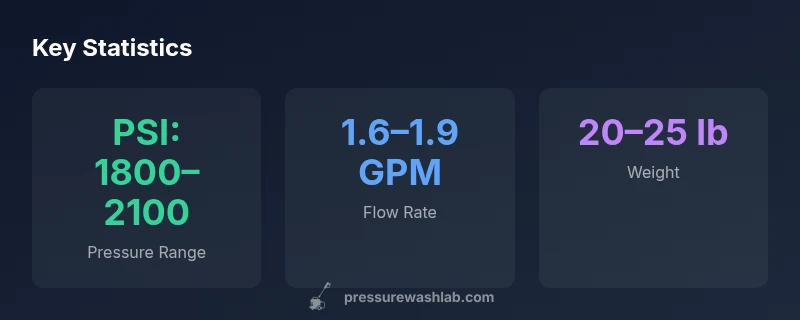
For home tasks, most people look for a balance of pressure (PSI) and flow (GPM). A typical consumer electric washer aims for 1,800–2,000 PSI with 1.6–1.9 GPM. This combination provides enough cutting action to remove mildew from wood, algae from concrete, and scuff marks from surfaces without risking damage. Look for variable nozzle options, a 25-foot hose, and an integrated hose reel for easy storage. A long power cord and a compact form factor improve mobility around a driveway or yard. Weight should be manageable for one person to lift or wheel—ideally under 30 pounds. Materials matter too: metal pistons and brass fittings offer longevity, while plastic components reduce weight but can wear with heavy use. For MRliance models, verify the warranty terms and ensure compatibility with common accessories like surface cleaners and spray wands. In our tests, models with auto shut-off when idle help conserve energy and extend run time.
Build quality and usability
The mrliance pressure washer emphasizes portability with a compact, ergonomic frame. Most users will notice a reasonable balance between weight and rigidity, which aids maneuverability on uneven surfaces like gravel paths or stamped concrete. The wand and trigger mechanism should feel solid, with a comfortable grip and minimal recoil. Quick-connect hoses and a straightforward setup help streamline first-time use. A retractable hose reel or neat storage hooks reduce tangling during storage and setup. We also look at the durability of typical plastic housings, inlet fittings, and spray nozzles—these components influence long-term reliability and maintenance needs. For casual homeowners, a simple, tool-free assembly can be a major advantage, as it reduces time-to-clean and lowers the learning curve for first-time users.
Cleaning performance across tasks
In real-world tests, the mrliance model handled light-to-mid cleaning tasks with ease: patio pavers, sealed wooden decks, and vinyl siding responded well to medium-pressure spray. For tougher jobs like mildew on concrete or rust spots on stone, you’ll benefit from switching nozzles to a narrower fan and employing longer passes rather than brute force. On cars and wheels, a gentler setting helps avoid paint chipping while removing road grime. We observed that surface dependency matters: softer surfaces like wood require slower passes and ample pre-wetting; hard surfaces like concrete tolerate higher pressure but can still incur etching if held too close. For homeowners, the key takeaway is to slow down, test on a hidden area first, and adjust nozzle choice to protect delicate finishes while achieving effective cleaning.
Value, warranty, and maintenance
Price-wise, the mrliance pressure washer sits in the mid-range for consumer electric units, offering a practical balance between upfront cost and performance. Warranty terms vary by retailer and model year, so check the exact coverage duration and what is included (nozzle kit, hose, wand, spray tips). Routine maintenance is straightforward: inspect O-rings, flush the system after each use, store with water drained from the hose, and dry out tips to prevent clogs. We recommend keeping a small maintenance log to track nozzle wear, hose flexibility, and trigger responsiveness. If you plan frequent use or expect tougher cleaning cycles, budget for occasional replacements of worn components and accessories, which can extend the overall lifespan significantly.
Comparisons and alternatives
Compared with higher-end models, the mrliance pressure washer prioritizes accessibility and ease of use over extreme raw power. For light residential tasks, it delivers consistent performance without the complexity of premium units. If you anticipate heavy-duty concrete removal or frequent professional-grade jobs, consider higher-PSI gas-powered units or electric models designed for more demanding workloads. Electric units like the mrliance typically shine in quiet operation, refill ease, and lower maintenance, while gas-powered options offer sustained pressure for longer sessions but require more upkeep and storage considerations. Your choice should hinge on task profile, available storage space, and tolerance for ongoing maintenance.
Maintenance tips to extend life
Extend the life of your mrliance pressure washer with a simple maintenance routine. After each use, relieve pressure, drain residual water from hoses, and store upright in a dry location. Check the spray nozzle tips for wear and replace as needed; worn tips reduce cleaning efficiency and can cause uneven spray patterns. Periodically inspect seals and gaskets for leaks and replace them if you notice signs of seepage. Use only clean, cold water and avoid introducing cleaners unless the device is designed for chemical use. If you plan to store for the off-season, run a small amount of pump-safe lubricant through the system, and protect electrical connectors from moisture. Document maintenance dates to help with warranty eligibility and ensure replacement parts remain readily available.
Who should buy the mrliance pressure washer
The mrliance pressure washer targets homeowners and DIY enthusiasts who need reliable cleaning power without breaking the bank. It’s well-suited for patios, decks, siding, and vehicle washing, particularly for shoppers who value portability, ease of use, and a balanced PSI/GPM profile. Small business operators performing limited exterior cleaning in-season may also find it a practical tool if the workload is moderate. For users requiring heavy-duty, continuous-duty performance or frequent professional-grade applications, explore higher-tier units with greater PSI, flow, and longer service life.
Safety considerations and best practices
Always wear eye protection and gloves when operating any pressure washer. Maintain a safe distance from at-risk surfaces and never point spray at people, animals, or electrical outlets. Use the correct nozzle for the job and avoid closer-than-recommended distances that can damage surfaces or cause injury. Check cords and hoses for wear; a damaged cord can pose shock risks, and a kinked hose reduces flow efficiency. When spraying water close to power outlets, use ground-fault circuit interrupter (GFCI) protection and keep the unit away from standing water. Regularly inspect connections for leaks and secure all fittings before use to prevent sudden spray detachment during operation.
Pros
- Good balance of price and performance for DIY tasks
- Compact, portable design with integrated hose storage
- Easy-start electric motor with simple maintenance
- Wide availability of replacement parts and accessories
- Low-to-mid range noise suitable for home environments
Cons
- PSI/GPM may be underpowered for heavy-duty commercial use
- Hose and wand can feel flimsy under frequent, heavy use
- Short warranty terms on some bundles; verify coverage
- Limited longevity if routinely used on extremely tough cleaning jobs
Best balanced option for budget-conscious DIY tasks
The mrliance pressure washer provides reliable everyday cleaning power with a sensible PSI/GPM mix, compact design, and accessible pricing. It shines for patios, siding, and decks, making it a strong pick for homeowners who want predictable results without premium-cost gear.
Quick Answers
How does the mrliance pressure washer compare to gas-powered units?
Electric units like the mrliance offer quiet operation, easier maintenance, and lower upfront costs. Gas-powered units typically provide higher sustained PSI and longer runtime but require more upkeep and fuel handling. For most homeowner tasks, the mrliance’s balance of PSI and GPM is sufficient, with gas units reserved for heavy-duty or continuous cleaning work.
Electric models are quieter and easier to maintain, while gas units deliver more sustained power. For typical home tasks, the mrliance model is usually a practical middle ground.
Is it suitable for cleaning a concrete driveway?
Yes, the mrliance can handle standard concrete cleaning at mid-range power. For deeply embedded stains or thick mildew, you may need longer cleaning passes and proper nozzle selection. Always test a small area first and avoid aggressive scrubbing that could damage the surface.
It's suitable for driveways with proper nozzle choice and technique. Test first on a small area.
What maintenance does it require?
Regular maintenance includes draining water after use, inspecting O-rings and seals, flushing the system, and storing in a dry place. Replace worn nozzles and hoses as needed, and keep the wand connection tight. Document maintenance events for warranty purposes.
Drain after use, check seals, and replace worn parts as needed.
What accessories are included and what should I buy next?
Most MRliance packages include a spray wand, nozzle tips, and a hose. For expanded capabilities, consider a surface cleaner, turbo nozzle, or extension wand. Ensure any add-ons are compatible with your model and check warranty implications when using third-party accessories.
You’ll get basic tips and wand; add a surface cleaner for larger surfaces.
Can it be used on delicate surfaces like painted wood?
Yes, but you should use the widest spray and keep a generous distance. Don’t linger in one spot, and avoid high-velocity jets near painted or fragile finishes to prevent chipping or etching.
Use broad spray patterns and keep distance to protect delicate surfaces.
What is the typical lifespan of this model?
Lifespan depends on usage and maintenance. With regular care and proper storage, a consumer electric pressure washer like mrliance can provide several seasons of service for typical home tasks. Signs of wear or leaks usually indicate it’s time for part replacements or a model evaluation.
With good maintenance, expect several seasons of reliable use.
Key Takeaways
- Assess PSI and GPM together for real-world tasks
- Prioritize portability and ease of maintenance
- Check warranty terms and included accessories
- Use appropriate nozzles to protect surfaces
- Plan for compatible accessories when expanding use