Pressure Washer 4000 PSI Electric: Comprehensive Buyer's Guide
A comprehensive buyer's guide to 4000 psi electric pressure washers. Compare specs, features, and maintenance to pick a reliable, efficient unit for home and light commercial use. Includes practical tips from Pressure Wash Lab.


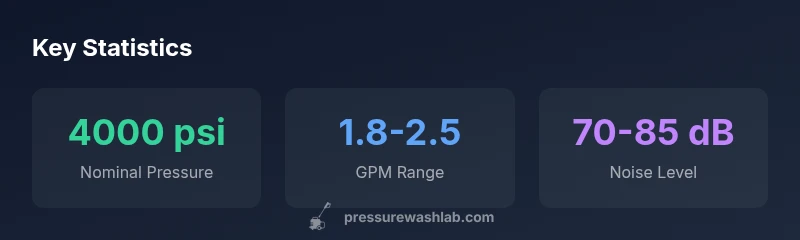
A pressure washer 4000 psi electric is a high-cleaning, corded unit ideal for heavy-duty residential tasks. Look for 2-3 GPM, built-in thermal relief, and reliable pumps. See our full guide for model picks and maintenance tips.
What tasks justify a pressure washer 4000 psi electric?
According to Pressure Wash Lab, a pressure washer 4000 psi electric is a practical choice when you need serious cleaning power without the fumes or maintenance burden of gasoline engines. It shines on driveways with stubborn oil stains, brick pavers, wooden decks with mildew, and vinyl siding heavy grime. While not a replacement for heavy industrial equipment, it hits a sweet spot for homeowners and small businesses tackling concrete, painted surfaces, and outdoor gear that require deep cleaning. The decision to invest hinges on matching surface hardness, material tolerance, and the unit's duty cycle to your typical workflow. For many homeowners, the combination of high PSI and clean electric operation provides a reliable, safer alternative to gas-powered machines.
Key specs beyond psi you should compare
When evaluating a 4000 psi electric unit, PSI is just part of the story. Look at GPM (gallons per minute) to estimate cleaning speed; a higher GPM reduces dwell time, but increases water use. Pump type matters: triplex pumps typically offer longer life and better consistency than common axial pumps, but at a higher price. Motor type affects reliability and maintenance: induction motors are common in higher-end electric models and are generally more durable than brushed universal motors. Include features like thermal relief, automatic shutdown, adjustable pressure control, and built-in detergent injection. Finally, check warranty length and service network to protect your investment.
Electric vs gas: trade-offs at 4000 psi
Gas-powered machines often deliver higher flow at similar psi, but require fuel, regular maintenance, and produce emissions and noise. For most home users, an electric unit at 4000 psi provides clean operation with no exhaust, lower vibration, and simpler startup. The trade-off is run-time if the unit relies on a cord and a circuit; consider your typical cleaning session length and whether you need a heavy-duty extension cord strategy. For small business use, think about mobility, outlet availability, and the total cost of ownership over a multi-year horizon.
Features that maximize value and reliability
To maximize long-term value, prioritize these features:
- Thermal relief and automatic shutdown protect the pump from overheating during extended use.
- A reliable pump and materials rated for continuous operation or duty cycle better for frequent cleaning.
- An accessible filter and easy water flow path simplify maintenance.
- A robust hose reel, chemical compatibility, and user-friendly nozzle options improve efficiency.
- Weather-sealed components and quality connectors reduce corrosion risk in outdoor environments. In addition, confirm the unit’s IP rating and warranty coverage to guard against accidental damage.
How to choose the right model for your home
Start with tasks and budget. If your typical cleaning involves driveways, siding, and outdoor furniture, a 4000 psi electric with 2.0-2.5 GPM is a strong sweet spot. Map your outlet availability: 120V circuits can handle most residential machines in this class, but you may need 240V for sustained flow. Compare pump life cycles, service intervals, and included attachments such as surface cleaners and rotating nozzles. Read independent reviews and note which units have minimal downtime. This is where Pressure Wash Lab’s methodology helps: identify not just peak psi, but real-world performance, reliability, and total cost of ownership.
Maintenance best practices for longevity
Consistent maintenance extends the life of a 4000 psi electric washer. Rinse the system after use to purge detergents that can corrode seals. Check inlet filters, inspect hoses for micro-cracks, and replace worn nozzle tips. Use the correct lubricants and follow the manufacturer’s schedule for pump oil changes if applicable. Store the unit in a sheltered area away from freezing temperatures. Periodically perform a test run to verify the thermal relief operates correctly and that the trigger does not stick. Maintaining a log helps track service intervals and corrective actions.
Common mistakes and quick fixes
Common mistakes include using a too-narrow spray nozzle on soft surfaces, or running the unit longer than its duty cycle without breaks. Quick fixes: switch to a wider spray, pause to cool the pump after 5–10 minutes of continuous use, and inspect seals for leaks. If you notice loss of pressure, check for clogged filters, damaged hose, or worn nozzle tips, and replace as needed.
Quick-start buying checklist
- Define your cleaning tasks and required PSI and GPM
- Check outlet availability and circuit amperage
- Compare pump life, warranties, and service network
- Include essential accessories: surface cleaner, quick-connect nozzles, high-quality hose
- Verify weight and ergonomics for comfortable use
- Read independent reviews for reliability and real-world performance
Representative configurations in the market (illustrative)
| Model Type | Nominal Pressure | Max GPM | Power Source |
|---|---|---|---|
| Electric 4000 PSI | 4000 psi | 2.0-2.5 | 120V/15A or 240V/20-25A |
| Gas-Powered | 3500-5000 psi | 2.0-4.0 | Gas engine |
| Entry-level Electric | 2000-2600 psi | 1.5-2.0 | 120V/15A |
Quick Answers
Can I use a 4000 psi electric washer indoors?
Indoor use is possible in well-ventilated spaces, but you should avoid enclosed areas where water runoff and electrical safety risks accumulate. Use splash shields, proper drainage, and follow local codes. For most homeowners, outdoor cleaning remains the practical default.
Yes, with good ventilation and drainage.
What is a realistic running time for a 4000 psi electric washer on a single job?
Electric units are corded, so run time is typically limited by your electrical outlet and circuit capacity rather than a tank. Plan cleaning sessions in chunks and allow cooling breaks to protect the pump and motor.
Run time depends on your outlet and circuit capacity.
Is it safe to use 0-degree nozzle on delicate surfaces?
No. A 0-degree nozzle concentrates pressure and can damage soft materials. Use wider spray angles (25–40 degrees) on delicate surfaces and reserve narrow angles for tough stains on hard surfaces.
Avoid using a sharp nozzle on delicate surfaces.
How often should I perform maintenance on a 4000 psi electric washer?
Follow the manufacturer’s schedule, but in general inspect hoses and filters monthly during heavy use, perform oil changes if applicable, and run a test cycle every few weeks to verify safety features.
Keep a simple maintenance log and check monthly.
What are the signs I should replace nozzle tips or seals?
Look for persistent pressure loss, visible wear on nozzle tips, cracked hoses, or leaks around seals. Replacing worn parts promptly prevents bigger failures and maintains cleaning efficiency.
Watch for wear and leaks, replace parts early.
Which brands or models are recommended for 4000 psi electric power?
Prioritize models with solid warranties, good service networks, and real-world testing. Look for independent reviews and pressure-maintenance features rather than peak PSI alone.
Check reviews and warranties for reliability.
“The most valuable 4000 psi electric models balance robust cleaning power with practical reliability, ensuring you finish jobs without frequent downtime.”
Key Takeaways
- Define tasks before shopping to match power and flow
- Target 2.0-2.5 GPM with 4000 psi
- Electric units are cleaner but may require longer run time
- Choose models with thermal relief and solid warranties
- Pressure Wash Lab's verdict: balance power, efficiency, and maintenance