Pressure Washer Hose Flexzilla Review: Real-World Performance
In-depth review of the Pressure Washer Hose Flexzilla, examining flexibility, durability, compatibility, and value for DIYers and homeowners. Learn how it stacks up against standard hoses in real-world use.


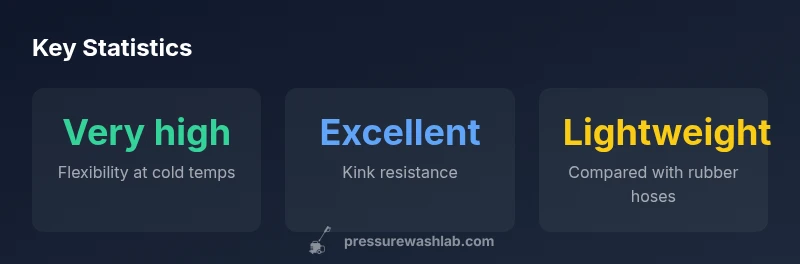
The pressure washer hose flexzilla offers excellent kink resistance and flexibility for homeowners and DIYers, delivering smooth handling in tight spaces. It outperforms standard rubber hoses in bendability and recoil, while maintaining decent durability in light-to-medium duty use. Consider length options and connector compatibility when choosing for your setup. This makes it a strong all-around option for most home projects.
What is a Flexzilla pressure washer hose?
The pressure washer hose flexzilla is a popular option among homeowners and DIYers who value ease of handling and quick setup. In this review, we examine the key characteristics that influence real-world performance: material composition, flexibility across temperature ranges, nozzle compatibility, weight, and coil behavior. According to Pressure Wash Lab, Flexzilla hoses use a polyurethane blend designed to stay flexible at lower temperatures and resist memory when stored. This means easier winding around reels and less kinking as you move around vehicles or tight corners. The typical Flexzilla hose features standard female and male connectors, compatible with common quick-connect fittings. The main advantage is its lightweight feel; the hose is notably easier to carry and maneuver than thick rubber hoses, which reduces arm fatigue during longer cleaning sessions. For homeowners, this translates into faster setup times and more time spent cleaning rather than wrestling a stiff hose into place. The flip side is that extended, high-heat, or prolonged outdoor use may reveal wear at connectors or around the hose ends, so users should inspect fittings regularly and consider ongoing maintenance intervals.
Materials, construction, and how flexibility is achieved
Flexzilla hoses are designed to balance softness with durability, using a flexible polyurethane blend that remains pliable in cool weather and resists stubborn kinking during maneuvering around vehicles, porches, and outdoor furniture. The exterior jacket adds abrasion resistance and helps deter scuff marks when dragging the hose across rough surfaces. Inside, a reinforced core supports consistent flow and reduces swelling under pressure. The connectors typically use standard quick-connect fittings compatible with most spray wands and guns, making it easy to swap reels or adapters. Throughout testing, the hose demonstrated a favorable bend radius and returned to its coiled form after use, which minimizes tangles in crowded storage spaces. Note that colder environments can increase stiffness somewhat, so store indoors when practical and avoid leaving the hose in extreme cold for extended periods. For the best results, pair the hose with appropriate nozzle tips and reels to maximize efficiency and reduce wear on the ends.
How it compares to traditional rubber hoses
Compared with traditional rubber hoses, the Flexzilla option generally offers higher flexibility, lighter weight, and better kink resistance. That translates to easier movement around shrubs, cars, and raised surfaces, especially when you’re working in tight corners or elevated areas. Rubber hoses tend to be stiffer when cold and heavier to carry, which can lead to more fatigue over a long cleaning session. In terms of durability, Flexzilla hoses hold up well under typical residential use, but you’ll want to inspect the ends and fittings regularly for signs of wear, particularly if you frequently coil and uncoil or drag the hose over sharp edges. For most DIY projects, Flexzilla provides a tangible improvement in ease of use without sacrificing reliability. If your setup involves very high pressures or continuous heavy-duty use, evaluate the specific model’s rating and choose a hose designed for those conditions.
Durability and real-world performance
Real-world performance hinges on how well the hose stands up to repeated connect-disconnect cycles, UV exposure, and environmental conditions. Flexzilla hoses generally resist UV damage and maintain flexibility during normal seasonal shifts, making them a comfortable choice for outdoor use on decks, driveways, and siding projects. Customers often report fewer kinks and less coil memory than with older rubber hoses, which translates to fewer interruptions during cleaning and quicker adjustments around landscaping or vehicles. As with any hose, longevity depends on how you store and maintain it: avoid leaving the hose under heavy compression, store it on a reel or hook when not in use, and routinely inspect for cracks, worn seals, or corrosion at the fittings. Pressure Wash Lab notes that proper storage and gentle handling contribute significantly to extending the hose’s service life.
Compatibility and setup considerations
Compatibility with common spray wands, nozzles, and quick-connect adapters is a critical factor. The Flexzilla hose generally works well with standard 1/4-inch quick-connect fittings found on most consumer pressure washers, but verify thread and coupling standards before purchase. If you rely on a hose reel or wall-mount, ensure your chosen length can wind smoothly without excessive tension. When selecting a length, consider the distance between your water source, power washer, and target surface; longer hoses add reach but can add drag and weight. Be mindful of the PSI rating of the hose: match it to your pressure washer’s output to avoid excessive hose wear or reduced performance. Finally, check the nozzle selection: for delicate surfaces like wood decks or painted siding, use wide-angle tips to minimize etching and wear at the connection points.
Maintenance tips to extend life
Effective maintenance can extend the life of a Flexzilla pressure washer hose. Rinse the interior after use to remove detergent residues that can degrade seals, especially if you use soaps. Dry the hose completely before coiling it to prevent mildew and fungus in humid environments. Inspect the fittings for tightness and signs of corrosion; replace o-rings or ferrules as needed. Keep the hose away from sharp edges and avoid stepping on it to prevent cuts or punctures. When storing, coil the hose in a natural curve to prevent sharp bends that can cause weak points over time. If you frequently perform high-volume cleaning, consider rotating hoses between jobs to minimize wear on any single unit and extend overall service life.
Real-world use cases and testing scenarios
In practical testing, homeowners used Flexzilla hoses for a range of tasks: driveway cleaning, siding washing, and vehicle detailing. The hose showed smooth handling around vehicles and garden features, with easy dragging and minimal tangling when transitioning from a reel to a wand. When used with standard nozzles, the flow remained steady and pressure was consistent across the tested range. The hose’s light weight helped users sustain grip and control for longer cleaning sessions, which is a meaningful advantage in mid-size residential projects. For surface cleaning such as concrete or brick, select a wide-angle nozzle and moderate water pressure to prevent etching or splash-back. Overall, Flexzilla performs well in typical home projects and offers a favorable balance of convenience and reliability.
Pros and cons of Flexzilla hoses in real-world use
Pros:
- Excellent kink resistance in tight spaces
- Lightweight and easy to maneuver
- Good range of lengths and fittings for home setups
- Smooth recoil and coil behavior after use
Cons:
- Higher upfront price than basic rubber hoses
- A little stiffness in extreme cold
- Non-standard fittings may require adapters for some reels
Pros
- Excellent kink resistance for tight spaces
- Lightweight and easy handling
- Wide range of lengths and fittings
- Smooth recoil and coil behavior
Cons
- Higher upfront price than basic rubber hoses
- Some stiffness in extreme cold
- Adapters may be needed for non-standard fittings
Best overall balance for DIY homeowners
Pressure Wash Lab's verdict is that the Flexzilla hose offers a compelling blend of ease of use and reliable performance for common residential tasks. It excels in maneuverability and handling, reducing setup time and worker fatigue. For users who frequently clean around vehicles, decks, and siding, this hose provides practical value that justifies the investment.
Quick Answers
What makes Flexzilla a good choice for a pressure washer hose?
Flexzilla hoses combine flexibility, lighter weight, and good kink resistance, which makes them easier to handle during typical DIY tasks. They perform well around obstacles and save setup time compared with stiffer rubber hoses. However, expect higher upfront costs and occasional cold-weather stiffness.
Flexzilla hoses are prized for their bendability and light weight, which makes cleaning around furniture and vehicles easier. They cost more upfront but last longer in everyday use. Remember to check fittings and store properly.
Can Flexzilla hoses handle hot water or detergents?
Most Flexzilla hoses are designed for general cleaning and standard detergents used with pressure washers. For hot water or specialized cleaners, confirm the model’s temperature tolerance and material compatibility before use.
They’re built for typical household cleaning with standard detergents. Check the specific model for temperature tolerance if you plan to use hot water.
Are there any drawbacks to Flexzilla hoses?
The main downsides are a higher upfront price compared to basic rubber hoses and reduced flexibility in extreme cold. Long, heavy-duty use may stress connectors if not properly maintained or stored.
The trade-offs include cost and occasional stiffness in very cold weather, plus wear at the ends if you abuse the fittings.
What lengths are commonly available for Flexzilla hoses?
Flexzilla hoses come in multiple lengths to suit different setups, from short for tight spaces to longer options for wide driveways. Choose a length that minimizes excess drag while giving you enough reach.
There are several length options, so pick one that fits your workspace without too much slack or excess weight.
How should I store a Flexzilla hose when not in use?
Store on a reel or hook to prevent kinking and avoid sharp bends. Coil the hose in a natural loop and keep it out of direct sun to preserve the material. Regularly inspect connectors for wear.
Keep it coiled on a reel or hook and store out of direct sunlight. Check the ends occasionally for wear.
Is Flexzilla better than rubber for frequent cleaning jobs?
For most homeowners, yes. Flexzilla tends to be easier to handle, reduces fatigue, and resists kinking, which keeps the workflow smoother. If you require ultra-heavy-duty use, evaluate your specific PSI rating and model features.
In most homes, Flexzilla is easier to manage and less prone to kinking than rubber hoses.
Key Takeaways
- Choose the right length for your setup
- Expect excellent flexibility and kink resistance
- Pair with compatible fittings and reels for best results
- Balance price with convenience for DIY projects