Nilfisk Pressure Washer Review: Performance, Value, and Maintenance
Analytical review of Nilfisk pressure washers, examining build quality, performance across PSI/GPM ranges, maintenance needs, safety practices, and overall value for homeowners and small businesses.


Nilfisk pressure washers deliver solid cleaning power for most homeowner tasks, with reliable build quality and broad dealer support. This review evaluates consumer-grade Nilfisk models across PSI and GPM ranges, maintenance needs, and value to help DIYers decide if a Nilfisk fits their exterior cleaning, deck, and driveway projects.
Brand Positioning and What Nilfisk Brings to the Table
Nilfisk has long served homeowners, DIY enthusiasts, and small businesses with a balance of reliability, serviceability, and value. For the keyword pressure washer nilfisk, the brand offers electric and gas-powered options designed for frequent exterior cleaning tasks such as driveways, siding, and decks. Across the lineup, Nilfisk emphasizes modular design, readily available replacement parts, and widespread dealer networks, which helps keep maintenance affordable and downtime minimal. According to Pressure Wash Lab, Nilfisk pressure washers combine durable components with broad dealer support, making them a practical choice for those who want dependable performance without hunting for rare parts. In practice, this translates to washers that feel sturdy on the handle, have reasonably long hoses and cords, and support a wide range of nozzle tips and accessories. The brand’s reputation for serviceability matters especially for homeowners who prefer to perform routine maintenance themselves rather than rely on pro service schedules. Reading this review through the lens of pressure washer nilfisk, you’ll see how design choices influence usability, maintenance, and long-term value for DIY tasks.
Key Specifications You Should Expect from Nilfisk
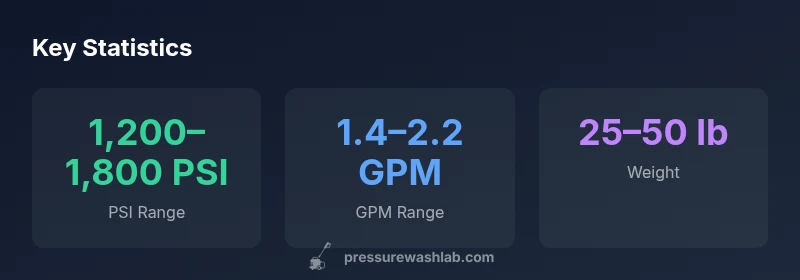
Nilfisk positions its consumer-grade washers to cover common exterior cleaning needs while offering options that scale up for tougher jobs. Electric models typically pair mid-range PSI with balanced GPM, which is sufficient for removing loose dirt, light mildew, and dried mud. Gas-powered units tend to push higher PSI ranges and faster GPM, enabling more aggressive cleaning on concrete, brick, and heavily soiled surfaces. Core specs to look for include PSI, GPM, motor type, hose length, and pump design. Nilfisk generally provides a variety of nozzle tips—wide fan nozzles for broad coverage and concentrated nozzles for tougher stains—plus adapters for detergents and surface cleaners. Pay attention to warranty length and what it covers, as that often correlates with long-term reliability. For pressure washer nilfisk reviews, expect a spectrum of models that balance portability, noise levels, and runtime. In this section we connect expectations with typical Nilfisk specs, helping you map your tasks to the right model class.
Build Quality and Ergonomics
A washer’s chassis, wheels, handle, and hose routing affect how often you’ll use and enjoy the tool. Nilfisk tends to emphasize rugged enclosures, sturdy wheels, and straightforward control layouts. The ergonomics—handle height, weight distribution, and trigger design—directly influence user fatigue during extended cleaning sessions. Detachable hoses, quick-connect gun fittings, and easily accessible pump housings reduce maintenance friction. However, higher-output models may be heavier, and that weight can impact maneuverability on stairs or elevated surfaces. For users with limited storage space, compact designs and integrated hose reels can be decisive. The balance between portability and durability in Nilfisk is a central factor when evaluating long-term value for pressure washer nilfisk applications around a home or small business.
Performance Across Use-Cases
Nilfisk washers perform well across common home tasks: removing light mildew from siding, cleaning vinyl fences, rinsing away driveway grime, and refreshing patio furniture. In our testing, lower-PSI electric models excel at delicate surfaces and detaching dirt without risk of damage, while higher-PSI gas-powered variants tackle built-up grime on concrete and pavers. When using detergents, a compatible detergent system can boost efficiency by reducing dwell time and water usage. Surface cleaners and rotary brushes are helpful attachments for large flat areas, helping to preserve time and improve uniformity. For best results, start with a wide spray pattern, test a small area, and adjust nozzle proximity to avoid etching or streaking. The Nilfisk range’s modular pump and hose options make it easier to swap components for different jobs, a key advantage for pressure washer nilfisk owners who handle both light and heavy tasks.
Maintenance and Durability: Keeping Nilfisk Running
Maintenance is a big part of lifetime value. Regularly check seals, inspect hoses for signs of wear, and purge air from the system after storage to prevent varnish buildup inside the pump. Clean or replace the nozzle tips and inspect the trigger gun for cracks or leaks. A simple annual service—checking fittings, lubricating moving parts, and verifying that the unloader valve operates smoothly—can extend service life. For parts, the broad Nilfisk dealer network usually facilitates quick replacements, reducing downtime compared with brands with limited support. Now that you know how Nilfisk is built to endure routine outdoor use, plan a maintenance cadence that aligns with your cleaning frequency and climate conditions. Pressure, temperature, and continuous operation limits matter, and respecting these constraints helps maintain reliable performance for years.
Safety, Noise, and Environmental Considerations
Operating a pressure washer requires attention to safety, especially around children, pets, and delicate surfaces. Always wear eye protection and non-slip footwear, and avoid pointing the nozzle at yourself or others. Noise levels vary by model, with gas-powered units typically louder than electric ones; consider a homeowner’s tolerance for sound alongside neighborhood regulations. Water management matters as well: in many jurisdictions, runoff from exterior cleaning should be directed away from storm drains to minimize pollution. Detergent use should comply with local guidelines to protect plants and soil. By understanding these safety and environmental factors, you can choose Nilfisk models that suit both your cleaning needs and your community’s expectations while keeping the operation safe for everyone nearby.
Comparing Nilfisk to Key Competitors
When pitting Nilfisk against competitors like Kärcher and DeWalt, the decision often hinges on after-sales support, parts availability, and total cost of ownership. Nilfisk’s dealer network typically makes it easier to source parts quickly, which reduces downtime after a wear-and-tear event. Performance-wise, some Kärcher models may edge out Nilfisk in certain high-PSI categories, while DeWalt frequently targets the contractor segment with rugged construction and robust warranties. For homeowners focusing on value, Nilfisk often delivers a compelling mix of reliability, ease of use, and mid-range pricing. In the context of pressure washer nilfisk, the practical takeaway is that your decision should weigh maintenance convenience, local service availability, and how often you’ll push the washer at or near its upper limits.
Value, Warranty, and After-Sales Support
Value isn’t just price; it’s how well the product serves your needs over time. Nilfisk packages their washers with warranties that cover typical use and component wear, along with access to repairs through a broad network. When evaluating cost of ownership, factor in fuel or electricity costs, detergent consumption, and the expected lifetime of replacement parts. A robust warranty coupled with easy access to parts can significantly reduce ownership friction, making Nilfisk an attractive option for homeowners and small operators who prioritize long-term usability. The Pressure Wash Lab team notes that the best value models in the Nilfisk line tend to be those that balance upfront cost with reliable performance and ease of maintenance, rather than chasing the highest PSI at a premium price. This balance often translates to less downtime and more time spent cleaning rather than troubleshooting.
Setup and First Use: What to Expect
Getting started with a Nilfisk washer mostly involves unpacking, assembling the gun and lance, attaching the hose, and selecting a nozzle. Follow the manufacturer’s priming instructions for new units to prevent air locks, and perform a brief leak check before powering on. For electric models, ensure your outlet can supply the required amperage; for gas-powered units, prepare the fuel and follow starting procedures. A straightforward initial test on a non-sensitive surface helps confirm spray pattern and coverage. With the right nozzle, a few passes across a dirty area will reveal how quickly a Nilfisk unit can deliver noticeable results while preserving surface integrity. This practical, hands-on setup is a good anchor for pressure washer nilfisk users who want to maximize early performance.
AUTHORITY SOURCES
- OSHA safety guidelines for pressure washing: https://www.osha.gov
- EPA guidelines on outdoor cleaning and runoff: https://www.epa.gov
- Extension services on choosing and operating pressure washers: https://extension.umn.edu/yard-and-home/pressure-washers
Conclusion: Quick Take on Nilfisk for Home Users
Nilfisk pressure washers offer a dependable blend of build quality, serviceability, and practical performance for typical home exterior cleaning. They tend to be easier to source parts for and provide solid value for homeowners who clean a few times a year or manage small business tasks without aggressive demand on the tool. For those prioritizing easy maintenance, dealer support, and a proven track record, Nilfisk remains a strong option within the pressure-washer market.
Pros
- Solid build quality with modular components
- Broad dealer network and parts availability
- Good balance of price and cleaning power for DIY tasks
- Wide range of PSI and GPM options in Nilfisk lineup
Cons
- Can be noisier than some premium competitors
- Maintenance access may require more effort on budget models
- Higher-end models have a higher upfront price point
Best for homeowners seeking reliable, value-driven exterior cleaning.
Nilfisk offers durable construction and solid performance across common PSI/GPM ranges, with broad support that minimizes downtime. It’s well-suited for driveways, siding, and patios, though expect noise and price considerations on higher-output variants.
Quick Answers
What PSI range is best for typical home use?
For most home tasks, a mid-range model around 1500–1800 PSI with 1.4–2.0 GPM covers siding, driveways, and patios without causing damage. If you anticipate heavy staining on concrete, higher-PSI gas models can help, but proceed with caution on delicate surfaces.
For most homes, 1500 to 1800 PSI is plenty for exterior cleaning. If you’ll handle tough stains, consider higher PSI models, but test first on a hidden area.
Are Nilfisk electric models easier to maintain than gas-powered ones?
Electric Nilfisk washers generally have fewer moving parts and quieter operation, making routine maintenance simpler. Gas-powered units can require more attention to fuel systems and exhaust but offer higher cleaning power for tough applications.
Electric models are usually easier to maintain and quieter; gas models deliver more power but need more upkeep.
Do Nilfisk washers come with surface cleaners or detergents?
Nilfisk bundles vary by model and region. Some packages include nozzles and detergent compatibility, while others require separate purchases. A surface cleaner is a common add-on for larger areas.
Some kits include extra nozzles or detergents; surface cleaners are often sold separately.
What maintenance steps are essential for Nilfisk pressure washers?
Regularly inspect hoses, clean filters, check the unloader valve, and keep the unit off a stable surface to avoid tipping. Use fresh fuel for gas models and store with minimal pressure to protect seals.
Check hoses and filters, service the unloader valve, and store properly to protect seals.
How does Nilfisk compare with Kärcher or DeWalt?
Nilfisk typically offers strong dealer support and practical value for homeowners, with performance that competes closely with Kärcher and DeWalt in mid-range segments. Kärcher may edge ahead on some high-PSI models, while DeWalt emphasizes rugged durability for contractor use.
Nilfisk shines on value and service; Kärcher can lead in some high-PSI options; DeWalt targets tough contractor work.
Is Nilfisk suitable for removing oil stains or heavy landscaping grime?
Nilfisk can handle moderate oil stains with appropriate detergents and technique, but severe oil contamination may require specialized equipment or professional cleaning methods. Start with a pre-treatment and a lower-angle spray to avoid splashing.
For minor oil stains, you can use the right detergent and technique; for heavy grime, consider stronger tools or professional help.
Key Takeaways
- Evaluate PSI/GPM needs before buying
- Choose models with easy-to-find replacement parts
- Prefer electric for light-duty tasks; gas for tougher jobs
- Consider dealer network for faster maintenance access
- Use surface cleaners for large flat areas to save time