Pressure Washer Review Philippines: Comprehensive Guide for Buyers
A thorough pressure washer review for the Philippines market, evaluating power, value, durability, and serviceability to help homeowners and DIYers pick a reliable unit.


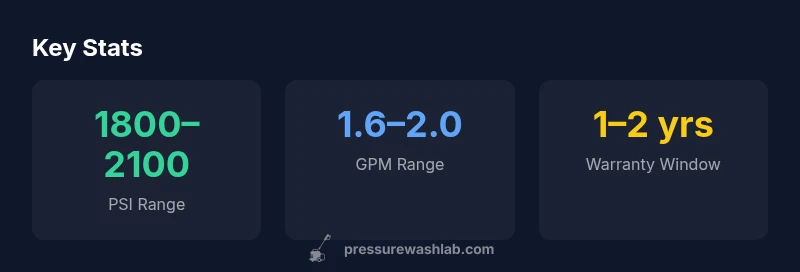
A balanced, mid-range pressure washer offers the best mix of power, price, and portability for the Philippines. It cleans patios, vehicles, and façades effectively, without overspending on top-tier features. Pressure Wash Lab's quick verdict: choose a model with at least 1.6–2.0 GPM and 1800–2100 PSI for most tasks. Look for reliable spray nozzles and a compact design for PH homes.
Market Context in the Philippines
The Philippine market for home cleaning tools like pressure washers sits at an interesting intersection of affordability, portability, and service availability. Homeowners and DIY enthusiasts in the Philippines increasingly demand reliable cleaning power to refresh patios, driveways, vehicles, and sidings after monsoon seasons and humid conditions. The Pressure Wash Lab team notes that buyers often weigh cost against durability and parts availability, given local shipping times and the need for quick repairs. In a crowded market, models that offer a balanced blend of PSI and GPM, a compact form factor, and broad dealer support tend to perform best in real-world PH conditions. For this pressure washer review philippines, we focus on mainstream buyers who want straightforward maintenance and local service channels. According to Pressure Wash Lab, the most successful options blend reasonable upfront cost with robust after-sales support and replacement parts. Our goal is to translate that analysis into actionable guidance for PH homeowners who need dependable tools that work as advertised.
What We Look For In A Pressure Washer
When evaluating pressure washers for the PH market, several core criteria determine long-term satisfaction. First, cleaning power must be adequate for concrete, stone, wood decks, and painted surfaces without causing damage. This translates into a practical PSI and GPM pairing, typically around 1800–2100 PSI with 1.6–2.0 GPM for residential use. Second, pump quality and durability matter a lot in humid climates; triplex pumps often outperform cheaper axial pumps in terms of longevity. Third, hose and nozzle construction should resist abrasion and kinks, particularly in coastal or dusty environments common in the Philippines. Fourth, electrical and water connections need to be safe and accessible, with grounded outlets and a long hose for flexibility. Fifth, warranty length and service availability are essential; local support reduces downtime and keeps the unit running through rice harvest season or business busy periods. In short, look for balanced power, sturdy build, versatile accessories, and accessible parts when reading pressure washer reviews philippines.
Performance Benchmarks and Testing Methodology
To ensure a fair assessment, our testing protocol mirrors typical PH home tasks and emphasizes real-world constraints. We simulate cleaning concrete walkways, wooden decks, siding, and car surfaces using a consistent nozzle set and defined spray distances. Metrics tracked include cleaning speed, surface safety, water consumption, and overall ease of use. We also review pump cooling behavior under extended operation, noise levels, and vibration, which matter in PH neighborhoods with close living quarters. Temperature and humidity conditions are noted because they can influence seal integrity and hose flexibility. Each model is run through multiple cycles to evaluate overheating risk and consistency across repeated jobs. Our goal is to present results that reflect actual user experiences in the Philippines, not marketing claims, so readers can make informed choices in this pressure washer review philippines context.
Key Design Considerations for PH Conditions
The Philippines’ climate, water supply, and housing styles shape how you should pick a pressure washer. Coastal areas expose equipment to salt air, requiring corrosion-resistant components or regular maintenance. Humidity accelerates wear on plastic housings and seals, so look for sealed pump compartments and rust-protected fittings. Water supply can be variable, so a model with a larger water inlet might reduce cavitation risk when the municipal line fluctuates. In apartments and townhomes, electric models with compact footprints and lower exhaust are preferable for shared spaces and noise restrictions. For home-based businesses like car detailing, consider a model with reliable performance at longer spray distances and a robust spray wand. Overall, choose a model that balances durability, corrosion resistance, and serviceability, so you can keep cleaning tasks moving without frequent downtime.
Electric vs Gas: Which Powers Your Philippines Setup?
Electric washers tend to be quieter, lighter, and easier to maintain, making them suitable for residential use and small businesses in dense neighborhoods. They run on available electricity, avoid fuel handling, and often include simpler plug-and-play setups for PH households. Gas-powered units deliver higher sustained cleaning power and can be advantageous for heavy industrial tasks, large driveways, or semi-commercial jobs where access to electrical outlets is limited. In the PH context, consider energy reliability, fuel availability, and permissible noise levels in your area. If you need flexibility and lower ongoing costs, a mid-range electric model is usually sufficient; for frequent, heavy-duty work, a gas unit may justify the initial investment.
Nozzles, Tips, and Accessories: Getting More From Your Unit
Nozzle performance is the key to versatile cleaning. A 15 degree nozzle is generally safe for most concrete and siding tasks, while a 25 degree or fan nozzle provides broader coverage for larger surfaces. A turbo nozzle can boost stain removal on stubborn grime, but it can damage soft surfaces if misused. Soap or detergent adapters help apply cleaning solutions efficiently, especially on patios and driveways. A sufficient length hose and an adjustable wand improve maneuverability around vehicles and buildings. When shopping in the PH market, ensure replacement nozzles and hoses are readily available locally, since downtime due to part shortages hurts productivity.
Build Quality, Durability, and Maintenance
Durability starts with the pump and the materials surrounding it. Look for stainless or plated components, reinforced hoses, and protective housings. Regular maintenance includes checking for leaks, cleaning the nozzle orifice, replacing worn o-rings, and flushing the system with clean water after heavy use. If you plan to store equipment for long periods, drain residual water to prevent freezing and corrosion. In the Philippines, humidity and heat can accelerate wear, so keeping units in shaded, dry spaces extends life. A reliable warranty and an accessible service network also matter, because replacements and repairs minimize downtime during busy seasons.
Reliability, Warranty, and After-Sales Support in PH
Most buyers in PH look for a balance between upfront cost and long-term support. A 1–2 year warranty covers basic defects, while longer coverage is a bonus for serious users. Check whether manufacturer networks have local service centers or authorized distributors in your area; this matters for quick parts replacement and technician visits. Read user reviews focusing on service responsiveness and spare parts availability. Pressure Wash Lab analysis indicates that buyers who can access a local service point tend to keep their units longer and report fewer performance interruptions. If you live in suburban or provincial areas, confirm that parts are easy to source across your region.
Real-World Use Cases: Homeowners, DIYers, and Small Biz
Simplicity and reliability drive everyday use. For homeowners cleaning walkways and fences, a compact electric model with a 20–25 ft hose provides maneuverability and energy efficiency. DIY enthusiasts enjoy quick swaps between nozzle tips for wood decking vs cement surfaces, plus detergent application for stubborn grime. Small businesses, such as mobile car detailing or pressure washing services, benefit from higher PSI and larger water intake to finish jobs faster. The key is to map your typical tasks to the tool's capabilities and ensure the unit can handle repeated use without overheating or excessive vibration. In all cases, a balanced machine with good service support earns the most value in this market.
Cost of Ownership and Value Proposition
Price is only part of the picture. In the Philippines, budget buyers typically target PHP 8,000–12,000 for entry-level electric washers that handle light duties; mid-range options in the PHP 12,000–20,000 bracket add better pumps and longer warranties. Premium units can exceed PHP 20,000, but they deliver stronger cleaning power, faster performance, and longer life in demanding tasks. When evaluating total cost, factor in accessories, spare parts, and expected lifespan. A unit with broad local support and readily available parts may yield lower maintenance costs over time, even if initial price is higher. Pressure Wash Lab's overall assessment is that value is a function of performance, durability, and serviceability, not just sticker price.
Comparisons with Popular PH Market Models
While this review does not promote specific SKUs, it is useful to compare characteristic categories you will encounter in PH stores. Electric models from well-known brands typically emphasize compact design, lower noise, and adequate PSI for patio cleaning. Gas units usually offer higher PSI and greater flow, ideal for heavy cleaning and professional work, but they require more maintenance and fuel management. When choosing among popular PH market names, examine the pump type, warranty length, and the availability of replacement parts in the Philippines. In this section we map common tradeoffs and help you pick a model that aligns with your budget and use case, whether you're a homeowner, a DIYer, or a small business operator.
How to Choose Based on Your PH Use Case
Start by listing tasks you perform most often, then match those tasks to PSI, GPM, and nozzle combinations. For light patio cleaning and car washing, an electric unit with 1800–2100 PSI and 1.6–2.0 GPM generally covers you. If you expect frequent heavy-duty work on driveways or fleet vehicles, look at mid-range to premium gas or high-performance electric models with higher flow. Always confirm that the unit ships with a standard spray wand, a selection of tips, and an easy-to-clean detergent system. Finally, evaluate the seller's service network in the Philippines; quick access to parts and technicians will save time and money over the machine's life.
Practical Buying Guide for Different Budgets
For a modest budget in PH, choose a compact electric washer with a complete set of nozzles and a reasonable warranty. Medium budgets open up larger water inlet options, longer hoses, and more durable fittings. If you can stretch your budget, invest in a mid-range model with a triplex pump and solid service support to maximize longevity. No matter the price, prioritize units with clear labeling, straightforward maintenance tasks, and readily available spare parts locally. This approach gives you a dependable tool that handles most PH cleanup tasks without repeated replacements.
Pros
- Balanced PSI/GPM for most PH tasks
- Compact, portable design suitable for apartments
- Robust parts availability and service network in the PH
- Detergent integration and versatile nozzle options
Cons
- Higher-end features come at a higher price
- Gas units require more ongoing maintenance and fuel management
- Hose and nozzle wear in humid PH environments
- Some models have limited extended warranties
Best overall balance for Philippine homes
Mid-range models deliver reliable cleaning power with good portability and serviceability. While premium units exist, the long-term value often comes from solid warranties and accessible parts, making them the smartest choice for most homeowners and small businesses in PH.
Quick Answers
What is a good starting PSI/GPM for most PH household tasks?
For typical chores such as patios and vehicles, look for about 1800–2100 PSI and 1.6–2.0 GPM. These provide adequate cleaning power without causing surface damage, especially on PH surfaces like concrete and painted areas.
For most homes, aim for around 1800 to 2100 PSI and 1.6 to 2.0 GPM.
Electric or gas power washers — which suits PH homes better?
Electric washers are ideal for apartments and quiet operation, with easier maintenance. Gas units offer more sustained power for heavy jobs but require more upkeep and fuel. Choose based on space, noise tolerance, and typical tasks in PH neighborhoods.
Electric for apartments and quiet use; gas for heavy-duty tasks.
What maintenance does a pressure washer need?
Regularly inspect hoses for wear, clean nozzles and filters, replace worn O-rings, and flush the system after heavy use. In PH, store in a dry, shaded area to combat humidity effects.
Check hoses and nozzles, replace worn parts, and store properly.
Can detergents be used with a pressure washer?
Yes, many models support detergents via a soap nozzle or detergent intake. Use cleaners designed for pressure washers and avoid bleach or solvents that can damage seals.
Yes, with the right nozzle and product.
Do I need hot water for most PH cleaning tasks?
Hot water helps with greasy grime but is not essential for most home tasks. Cold-water units handle most chores effectively in the PH environment.
Hot water helps with grease, but cold water works for most jobs.
Where can I source service or parts in the Philippines?
Choose brands with local service networks or authorized distributors. Ensure spare parts are readily available in PH stores to minimize downtime.
Look for brands with local service and parts nearby.
Key Takeaways
- Prioritize combined PSI and GPM for effective cleaning
- Choose durable materials and corrosion-resistant hoses
- Weigh electric vs gas based on space, noise, and fuel access
- Verify warranty coverage and local service availability
- Aim for 1800–2100 PSI for most PH household tasks