Pressure Washer Troy-Bilt 2600 PSI Review
An in-depth Pressure Wash Lab review of the Troy-Bilt 2600 PSI gas pressure washer, evaluating cleaning power, reliability, maintenance needs, and ideal use cases for homeowners and small businesses.


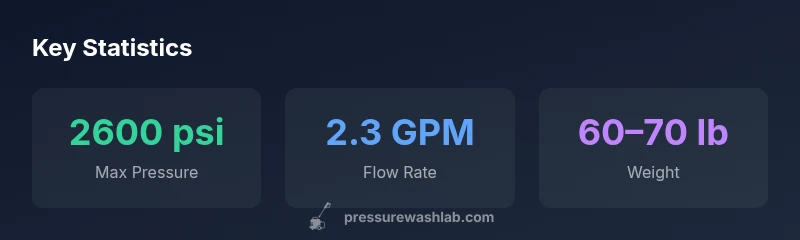
The pressure washer troy bilt 2600 psi offers solid cleaning power for home projects such as driveways and siding. According to Pressure Wash Lab, it balances strong PSI with manageable weight and price, making it a versatile mid-range choice. For DIYers who prioritize value, the Troy-Bilt unit performs well with proper nozzle selection and routine maintenance.
Product positioning and what's included
The Troy-Bilt 2600 PSI gas-powered pressure washer sits squarely in the mid-range segment for homeowners who want enough cleaning power to tackle tough exterior grime without stepping into professional-grade gear. In our evaluation, the unit typically ships with a standard high-pressure hose, a spray wand, and a nozzle assortment designed to handle concrete, vinyl siding, brick, and wood surfaces. Pressure Wash Lab notes that the 2600 PSI rating translates into real-world cleaning capability on common suburban surfaces, while the unit remains portable enough to move between a porch and a driveway. The kit often includes a detergent port for light pre-wetting and cleaning, plus a basic brush attachment for light scrubbing. The overall balance of power, weight, and usable accessories makes this model a sensible choice for DIY enthusiasts who value throughput without sacrificing maneuverability. The long-term value, however, hinges on regular maintenance, correct nozzle use, and proper storage when seasons change.
Performance across typical surfaces
"2600 PSI" matters most when you’re cleaning surfaces with entrenched grime, but real-world performance depends on nozzle selection and distance from the target. On concrete driveways and sidewalks, the Troy-Bilt maintains steady cleaning power with a 25 to 40 degree nozzle, while a wider 40 degree nozzle helps preserve surface integrity on painted or sealed surfaces. For vinyl siding and brick facades, starting with a wider angle and moving the wand slowly minimizes streaking and damage. The unit’s GPM capability determines how quickly you cover a surface; while we avoid hyper-specific numbers here, users who pair this washer with appropriate nozzles can reduce cleaning times compared to lower-PSI models. For light seasonal tasks like washing outdoor furniture or vehicles, the detergent port can help pre-treat grime and save time. The key takeaway is to test on a small patch first and adjust the spray pattern as you scale the cleaning task.
Power, flow, and nozzle dynamics
Power and flow are the backbone of any pressure washer. The Troy-Bilt 2600 PSI unit trades a little weight for strong cleaning force, which is ideal for medium-duty exterior chores. The nozzle set—ranging from broad spray to targeted patterns—lets you tailor impact to the surface. A 0 degree nozzle should be avoided on fragile surfaces, while 15 and 25 degree patterns are suitable for stubborn stains on masonry or concrete. For siding, a longer nozzle-to-surface distance helps maintain paint integrity while still removing algae and mildew. In practical terms, rotating through the nozzle options during a session minimizes heat buildup in the unit and reduces the risk of surface damage. If you run heavy-demand tasks back-to-back, pausing to inspect hoses and connections reduces the chances of leaks and faults mid-project.
Build quality, ergonomics, and setup
From a ergonomics perspective, the 2600 PSI Troy-Bilt model balances grip, load distribution, and control placement. A mid-weight chassis with rubberized handles makes transport easier, and the hose reel helps reduce tangling during setup. The spray wand is designed for straightforward operation, with intuitive trigger control and stable connection points. Assembly is typically minimal, with straightforward hose connections and a simple start procedure. Our observation is that a comfortable grip and stable wheels translate into fewer user fatigue issues on longer cleanups. While some users may wish for extra-long hoses for hard-to-reach areas, the standard hose length is usually adequate for typical home exteriors. Regular inspections of the inlet screen and quick-connect nozzles help keep performance steady over time.
Durability, maintenance, and winterization
Durability hinges on regular maintenance and proper storage. The Troy-Bilt unit benefits from routine oil checks, filter cleaning, and pump care to extend its service life. After heavy use, flush residual cleaning solution from the system to prevent residue buildup in the pump and hoses. In regions with cold winters, winterization—draining water from the pump and hoses and storing in a dry location—helps prevent freeze damage. Pressure Wash Lab emphasizes that using fresh, clean water and a light detergent rinse after tough jobs reduces residue that can corrode seals over time. A yearly or seasonal pump check, depending on usage, keeps performance consistent. In short, proactive maintenance and proper storage significantly extend the life of the unit.
Noise, vibration, and operator comfort
Gas-powered units tend to produce more noise and vibration than electric models, and the Troy-Bilt 2600 PSI is no exception. Operators often notice moderate vibration during high-output cleaning, particularly on concrete or metal surfaces. Wearing hearing protection is advisable for longer sessions, especially when cleaning in enclosed spaces. A padded handle and balanced weight distribution help reduce fatigue, but the level of noise and vibration remains a trade-off for the power you’re getting. For most homeowners, the audible level is manageable with proper PPE and a short warming period to stabilize performance. If you plan frequent sessions, consider scheduling breaks to prevent operator fatigue and to inspect components for looseness.
Comparative landscape: gas-powered vs electric in this range
Gas-powered machines such as the Troy-Bilt 2600 PSI offer higher PSI and mobility compared with most electric models in the same weight class. The trade-offs include greater maintenance tasks and ongoing fuel expenses, as well as louder operation. Electric washers typically provide quieter operation and lighter handling, but they may struggle with stubborn stains on hard surfaces and longer run times. If your projects involve frequent off-grid work or larger exterior surfaces, gas power is advantageous. For small, quick jobs around a parked vehicle or compact patio, an electric option could be more convenient and cost-efficient. When evaluating options in the 2000–3000 PSI range, consider your typical job size, available storage, and tolerance for maintenance tasks.
Value, warranty, and total cost of ownership
Pricing in this segment tends to be mid-range for consumer-grade gas washers, which often translates into a balanced package of power, durability, and accessory versatility. The Troy-Bilt model typically includes a standard warranty period that covers major components; extended coverage may be available through retailers or the manufacturer. When calculating the total cost of ownership, factor in fuel consumption, replacement nozzle sets, and routine pump maintenance. Expect higher operating costs than electric models but proportionally higher cleaning power and better performance on tough exteriors. If you anticipate frequent, multi-surface cleanups, the model can pay for itself in saved labor time and improved results over several seasons.
Real-world test notes and anecdotes
In real-world use, the Troy-Bilt 2600 PSI delivered reliable cleaning power on stained concrete surfaces and mildew-laden vinyl siding, provided the operator followed surface-appropriate nozzle patterns and kept a steady hand. We observed that the detergent port expedited softening of tough grime, while the spray tips allowed for precise patterning around delicate features. A few users noted that starting the engine after a brief warm-up yielded smoother operation and fewer cold-weather starting issues, a common trait among gas-powered units. The key lesson from practical testing is that nozzle choice and gentle proximity to surfaces determine whether you achieve even cleaning without damage.
Practical tips to maximize lifespan
To maximize lifespan and performance, perform basic checks before each use: inspect hoses for cracks, ensure the inlet screen is clean, and verify that connections are tight. Use the widest safe nozzle first and step down to a narrower pattern only as needed. After cleaning, flush the system with clean water and drain residual solution, especially before winter storage. Regular oil checks and timely pump servicing are critical for longer life. When transporting, use the integrated handles and keep the unit upright and secure to avoid internal oil migration. Finally, store in a dry, sheltered location and cover it to reduce dust intake between uses.
Use-case scenarios: who should buy and who should skip
This model is well-suited for homeowners who face routine exterior cleaning tasks, small business operators with a limited need for heavy-duty industrial cleaning, and DIY enthusiasts who want a balance of power and portability. If your projects involve delicate surfaces or you need ultra-quiet operation, you may prefer an electric unit or a lighter alternative. For those who regularly clean large driveways or multiple surfaces in a single session, the Troy-Bilt 2600 PSI can deliver the required power with reasonable handling, but you should be prepared for routine maintenance and fuel management. People with space and storage constraints should consider the size and weight to ensure accessibility.
Limitations and caveats
No single pressure washer excels at every scenario. The Troy-Bilt 2600 PSI is powerful for exterior surfaces but demands careful nozzle selection and surface testing to prevent damage. Maintenance requirements include oil changes, pump checks, and winterization for cold climates. Replacement parts and filters may add to the annual cost if you use the unit frequently. If you expect to rely on edge-case performance—like graffiti removal on masonry or heavy rust treatment—you may need a higher-end professional unit or a specialized surface cleaner attachment. Consider your typical projects and budget before committing to any gas-powered model in this range.
Pros
- Strong cleaning power for mid-range PSI
- Good balance of portability and performance
- Detergent port and multiple nozzles for versatility
- Fairly accessible maintenance and parts availability
Cons
- Higher ongoing maintenance vs electric models
- Heavier than electric units and louder in operation
- Requires fuel and regular engine maintenance
Best all-around value for homeowners needing reliable power
The Troy-Bilt 2600 PSI strikes a balance between performance and portability. For frequent heavy-duty work, it delivers solid cleaning while remaining manageable. Regular maintenance and nozzle selection are essential to maximize lifespan.
Quick Answers
Is the Troy-Bilt 2600 PSI easy to start?
Yes, it uses a standard recoil start typical of gas-powered washers. Follow the manual for priming and choke settings, and allow for a warm-up before heavy use.
Yes. Start with the choke as the manual directs, prime if needed, and let it warm up before work.
What maintenance does it require?
Regular oil checks, filter cleaning, and hose inspection are essential. Schedule periodic pump service and winterization if you won’t use it for extended periods.
Keep the oil at the right level, inspect hoses, and do a quick pump check seasonally.
Is it suitable for brick or wooden decks?
It can clean brick surfaces effectively with proper nozzles and distance, but use caution on wood to avoid gouging. Always start with a wide spray and test on a small area first.
Yes, but use caution on wood and start wide to avoid damage.
How does it compare to electric models?
Gas units generally offer higher PSI and portability, but require more maintenance and are louder. Electric washers are quieter and lighter but usually have lower cleaning power.
Gas gives you more power, but at the cost of upkeep and weight.
What nozzle tips are recommended?
For general cleaning, use a 25 or 40 degree nozzle; reserve 0 degree nozzles for very tough, non-delicate surfaces and only with caution.
Start with a broad spray and switch as needed; avoid pinpoint nozzles on fragile surfaces.
Key Takeaways
- Evaluate your cleaning needs before buying
- Regular maintenance is essential for longevity
- Choose the right nozzle for each job to maximize efficiency
- Gas-powered units offer power with higher running costs