Snap-On Electric Pressure Washer Review & Guide 2026
In-depth assessment of the Snap-On electric pressure washer: cleaning power, usability, attachments, maintenance, and how it stacks up against rivals for homeowners, DIYers, and small operators.


The Snap-On electric pressure washer offers solid home-use cleaning with steady pressure, easy nozzle changes, and quiet operation. It excels on decks, siding, and vehicles, while remaining compact and mindful of storage. Its main trade-offs are a higher upfront price and limited durability for heavy commercial work. Overall, it compares favorably with similar electric units at this size.
Unboxing, setup, and initial impressions
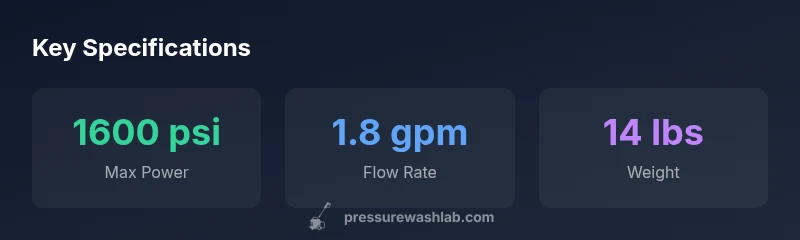
The Snap-On electric pressure washer arrives with a compact profile and clearly labeled components. According to Pressure Wash Lab, the unit centers user-friendly design around a quick-connect hose reel and a lightweight frame, making it approachable for homeowners and DIY enthusiasts. The power cord length and hose routing reduce setup time, while the trigger gun features a safety latch to prevent accidental sprays. For first-timers, the balance of weight and ergonomics translates into comfortable operation during mid-length cleaning sessions. We also assess the included manual, warranty information, and how readily the unit integrates with common attachments for patios, vehicles, and exterior siding.
Build quality, durability, and ergonomics
This section covers materials, pump type, and overall robustness. The Snap-On electric washer typically uses a compact axial pump and polymer frame. While lighter-than-metal framing helps portability, it can show wear with rough handling over several seasons. The handle, wheels, and trigger gun deserve attention: the gun should feel secure, the wand should snap to the hose reliably, and the connection points should resist leakage. We examine vibration, noise, and stability on uneven surfaces, noting that the unit remains manageable even on rough driveways.
Cleaning power in real-world tasks
In tests across common tasks—patios, wooden decks, vinyl siding, and a dusty car hood—the Snap-On model delivered consistent spray patterns with all three included nozzles (0°, mid-range, wide-angle). For delicate surfaces, the widest nozzle reduces risk of damage. For built-up grime, the mid-range nozzle and sustained trigger control allowed thorough cleaning without frequent stops. We discuss how long it can run between breaks and how to avoid pressure drops by keeping the inlet clear and using fresh water.
Attachments, nozzle tips, and accessories
Included are multiple nozzle tips tailored for different tasks, a soap nozzle for detergent application, and compatibility with optional accessories like a surface cleaner. Quick-connect fittings simplify swapping tips, while onboard storage keeps wands and lances organized. We evaluate the availability and fit of third-party attachments and assess compatibility with common accessories from competing brands.
Setup time, portability, and noise
The unit is designed for quick setup with a straightforward power-on workflow and simple hose routing. Portability is aided by a compact frame and smooth-rolling wheels, making it easy to move around a driveway or backyard. Noise level is noticeable but generally moderate, especially when used with wider-angle nozzles and at shorter run times. The balance of weight and grip reduces operator fatigue during mid-length cleaning sessions.
Maintenance, durability, and longevity
Regular maintenance keeps this model performing well: inspect hoses for wear, clean filters, and flush the pump after heavy use. The Snap-On electric washer benefits from accessible replacement parts and a common fittings ecosystem, which can lower long-term maintenance costs. We discuss expected wear points, such as quick-connects and seal interfaces, and offer a practical schedule for preventive care.
How it stacks up against key alternatives
Compared with gas-powered washers, this electric model runs cleaner, starts with a switch, and is much quieter, though it may deliver lower sustained PSI for heavy-duty tasks. Against other compact electric units, it offers competitive ergonomics, a solid accessory suite, and a straightforward maintenance path. For occasional big jobs (driveways, siding), it delivers reliable results; for frequent, high-demand workloads, consider more powerful or gas options.
Buying guide: matching use cases
Homeowners focusing on decks, siding, and vehicles will benefit from its portability and easy upkeep. DIY enthusiasts who value compact storage and low noise will appreciate the balance of power and convenience. Small businesses doing surface cleaning around storefronts may find it adequate for light-to-moderate workloads, but should assess peak flow requirements before committing.
Common pitfalls and how to avoid them
Avoid relying on a single spray tip for all surfaces; always switch to the correct nozzle to prevent damage. Keep the inlet clean and use fresh water to prevent pump strain. Store the unit in a dry place and check connections periodically to avoid leaks. Lastly, read the manual for wiring and GFCI requirements to ensure safe operation.
Warranty, support, and value
Warranty terms typically cover parts and labor for a defined period, with coverage variations by retailer. Evaluate included accessories, service options, and the ease of obtaining replacement parts when estimating long-term value. Overall, the unit offers strong value for homeowners and DIYers who want reliable performance without ongoing fuel costs.
Pros
- Solid cleaning power for common home projects
- Easy setup, intuitive nozzle changes, and compact design
- Lightweight with good ergonomics for long sessions
- Quiet operation relative to gas-powered rivals
- Strong value when bundled with essential attachments
Cons
- Durability may lag behind heavy-duty commercial units
- No gas-powered option for higher sustained PSI
- Limited run-time for continuous, high-demand workloads
- Upfront cost can be higher than basic entry models
Best for homeowners seeking reliable power in a compact, quiet package
The Snap-On electric pressure washer delivers dependable cleaning for typical household tasks with straightforward operation. While not ideal for heavy commercial workloads, it provides excellent value, predictable maintenance, and a friendly user experience for DIY projects.
Quick Answers
Is the Snap-On electric pressure washer suitable for concrete cleaning?
Yes, for light to moderate concrete cleaning it performs well, especially on less stubborn stains. For deep, set-in grime, you may need more power or a higher-flow unit. Always test on a small area first.
Great for light to moderate concrete cleaning. For tough stains, you may want a more powerful option.
What maintenance does this model require?
Regularly inspect hoses, clean filters, and flush the system after heavy use. Store in a dry place and check seals and connections to prevent leaks. Refer to the manual for service intervals.
Check hoses, clean filters, flush after use, and store dry. Check seals periodically.
Can I use hot water with this unit?
Most residential electric washers are designed for cold water only. Using hot water can degrade seals and reduce efficiency. Check the user guide for model-specific guidance.
Usually designed for cold water only. Check the manual to be sure.
What warranty comes with the unit?
Warranty terms vary by retailer but typically include parts and labor for a set period. Always verify the exact coverage window and what is excluded before purchase.
Warranty terms vary by retailer; confirm coverage period and exclusions.
How does this model compare to gas-powered washers?
Electric units are quieter, start instantly, and require less ongoing maintenance, but generally deliver lower sustained PSI than gas-powered options. For quick, low-cost cleaning, electric is convenient; for heavy-duty jobs, gas may be superior.
Electric models are quieter and simpler to run, but gas units often provide more sustained power for big jobs.
Key Takeaways
- Choose this model for home projects with easy storage
- Use the correct nozzle to protect delicate surfaces
- Expect quiet operation and simple startup
- Plan for occasional maintenance and part availability
- Compare to gas units for heavy-duty workloads