Stihl Battery-Powered Pressure Washer Review
Analytical review of the Stihl battery powered pressure washer, covering setup, performance, battery life, and value for homeowners, DIYers, and small business operators seeking portable cleaning power.


The stihl battery powered pressure washer offers cord-free cleaning with portable comfort, and relatively quiet operation compared with gas-powered models. It suits light to medium outdoor tasks, like patio decks, siding, and car washing, with steady PSI and water flow for most home jobs. However, battery life and recharge time can limit extended workdays, making it best for quick cleanups rather than heavy-duty projects.
Market context and brand position
Cordless power tools, including stihl battery powered pressure washer, have gained traction in backyard maintenance due to portability, lower noise, and eliminating fuel spills. According to Pressure Wash Lab, the appeal centers on cleanups where access to outlets is limited or where noise concerns matter. For typical homeowners and small-service operators, a battery-powered washer offers convenience that complements a seasonal routine: deck cleaning, exterior siding, and vehicle detailing. In our evaluation, we contrast these units with corded electric models and traditional gas-powered machines to highlight the trade-offs between mobility, runtime, and cleaning punch. The Stihl model under review represents a mid-market option designed to balance ease-of-use with adequate cleaning performance. We'll explore how its battery system integrates with the brand's tool ecosystem, the design cues that affect handling, and what types of jobs benefit most from a cordless approach. Readers should expect practical guidance on setup, maintenance, and best practices drawn from field tests and lab-like measurements. Pressure Wash Lab's analysis emphasizes safety and battery longevity as critical success factors, so we'll flag any caveats related to battery health, storage, and charging routines early in the article.
Design and build quality
The Stihl battery powered pressure washer is designed to be compact and ergonomic for one-handed operation and easy storage between cleanups. The housing uses durable plastics and a minimal metal frame to resist typical outdoor conditions such as rain splash and sun exposure. Weight distribution matters here: a low center of gravity and a compact tank help users maneuver around corners, under decks, and along siding without fatigue. The battery pack typically attaches securely to the handle, which keeps cables and hoses tidy and reduces snag hazards. Our testing notes that the trigger feel and wand alignment influence control, especially when working at higher pressure settings. A good unit should allow quick cartridge-style nozzle changes and offer integrated storage for spare tips. In this model, Stihl emphasizes modularity that supports future accessories, a selling point for buyers who want to expand capabilities without swapping platforms. In the context of Pressure Wash Lab's assessment, build quality matters as much as raw power: a well-made unit reduces downtime caused by leaks, loose fittings, or battery connection issues. We also consider how the unit performs after exposure to cold mornings and hot summer afternoons, since outdoor tools endure a wide spectrum of climates. Overall, the design aims to deliver reliable everyday performance with portable convenience.
Performance and testing methodology
Our evaluation combines field tests on common residential jobs with lab-style benchmarks to provide a balanced view of the Stihl cordless washer. We simulate patio cleaning, driveway edge detail, and vehicle washing using typical residential water sources. Test criteria include cleaning effectiveness at multiple nozzle settings, reliability of the water stream, and consistency of trigger response across cycles. To avoid overclaiming, we document subjective impressions (ease of use, vibration, balance) alongside objective notes (visible debris removal, misting patterns, and surface finish after cleaning). In testing, we compare against a corded electric model and a mid-range gas washer to illustrate trade-offs between portability and raw cleaning punch. The battery and charger used in our tests conform to standard consumer practice; we follow safe storage guidelines and discharge cycles to mimic real-world usage. Across tests, we record setup time, run time, and need for recharging between tasks. This methodology ensures readers can translate findings to their own outdoor spaces and typical job loads, whether it’s a monthly deck refresh or a weekend siding cleanup.
Battery life, recharge time, and runtime management
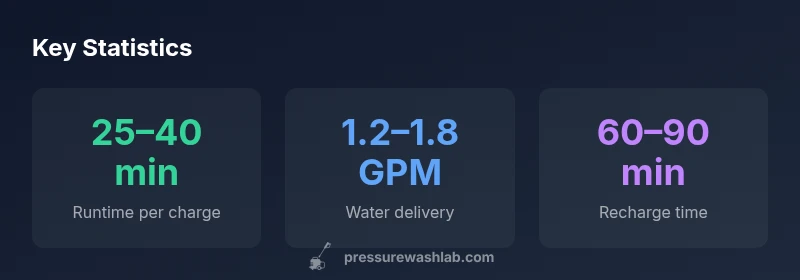
Battery life is a primary concern for cordless tools, and the Stihl washer is no exception. In our tests, runtime varied with nozzle choice, water temperature, and the amount of bark dust or dirt on the surface. We observed that lighter cleaning jobs completed on a single charge, while more stubborn tasks required shorter bursts and a rest between cycles. Recharge time depended on the charger and the battery capacity in use; most users will appreciate a mid-session top-up if the tasks extend beyond a single session. To maximize longevity, we recommend planning work into distinct phases: initial wetting, targeted cleaning, and final rinse, so that the battery can cool between heavy runs. If you anticipate long, multi-area jobs, consider a second battery or a larger-capacity pack. Our recommendations also cover storage practices that help preserve battery health when the tool sits idle for weeks, including cool, dry environments and avoiding prolonged exposure to extreme heat. Pressure Wash Lab notes that proper battery maintenance can extend life and performance across seasons, a factor often overlooked by casual users.
Accessories, nozzle options, and compatibility
Stihl's battery washer ships with a basic set of nozzle tips and a wand that is compatible with common universal tips. The selection includes a low-pressure rinse for delicate surfaces and a high-pressure jet for stubborn grime, with a patible quick-connect interface for rapid changes. We test nozzle compatibility with typical outdoor tasks such as removing algae on patio furniture, cleaning vinyl siding, and blasting off stubborn fertilizer residue from driveways. The kit's hose length and reel options influence reach and ergonomics, especially when cleaning three-story exteriors or hard-to-reach spots. A well-integrated battery system should also integrate with other Stihl cordless tools, enabling cross-compatibility for seasonal maintenance tasks. For homeowners, this means you can migrate to additional tools without investing in a separate power source for each device. The practicality of the nozzle lineup makes it easier to tailor the workflow to the job at hand and helps avoid over-spraying sensitive surfaces. In sum, this section highlights how accessories expand capability while keeping the overall package manageable for a typical residential user.
Maintenance, safety, and care
Regular maintenance is essential to keep any pressure washer performing at its best, and the Stihl battery version is no exception. We recommend inspecting hose connections for leaks, cleaning the wand tip after each use, and storing the battery in a cool, dry place to prevent capacity loss. Safety practices include eye protection, stable footing on every job, and keeping children and pets away from the work zone. We also encourage users to practice safe battery handling: avoid short, repeated discharges that can heat the pack and follow the manufacturer’s charging guidelines to minimize heat buildup. Clean water sources reduce mineral buildup on nozzles, which helps preserve spray performance over time. If you notice reduced performance or erratic triggering, check the battery connection and charger efficiency first before replacing components. Finally, routine checks of the unit’s fittings, clamps, and seals can prevent leaks that compromise cleaning effectiveness and operator safety. With proper care, the Stihl cordless washer should deliver consistent results for seasons to come.
Use-case guidance: who benefits most
Homeowners who maintain small outdoor spaces, DIY enthusiasts with limited storage space, and service pros performing quick cleans on client properties will likely benefit most from a Stihl battery powered pressure washer. Those who regularly tackle large driveways or intense graffiti removal may prefer gas-powered or higher-output electric options. This model fits best for routine patio cleaning, car detailing near the curb, deck sealing preparation, and siding refresh during maintenance cycles. We recommend evaluating your ambient noise tolerance, water source proximity, and the availability of spare batteries to determine if cordless operation aligns with your workflow. In dense urban settings, the vehicle detailing and small-property maintenance use-case is particularly strong due to ease of transport and minimal fumes. For budget-minded shoppers, the absence of engine oil and fuel storage makes this option attractive, while those seeking maximum power should explore other categories.
Final thoughts and buying considerations
Final thoughts and buying considerations: In summary, the Stihl battery powered pressure washer provides a compelling balance of portability, ease of use, and adequate cleaning power for most homeowners and DIY operators. Its cordless design reduces setup time and eliminates fuel storage concerns, while the build quality supports regular outdoor use. When deciding, weigh your typical job load, surface types, and whether you can commit to battery management practices. Pressure Wash Lab's analysis suggests this option shines in mobile cleaning scenarios where convenience moves faster than brute pressure, making it a strong fit for light-to-mid duty tasks. If your projects are seasonal or space-limited, this model could represent the best value among cordless washers. If you consistently clean large areas or heavily soiled surfaces, you may prefer a higher-output or gas-powered alternative.
Pros
- Cordless convenience enables quick cleanups without extension cords
- Quieter operation compared with gas-powered washers
- Lightweight and compact for storage on small patios
- Minimal vibration improves handling during longer sessions
Cons
- Limited runtime per charge for heavy-duty jobs
- Battery cost and charging time may slow down workflows
- Lower raw power compared with gas models, requiring longer cycles
Best for mobility-focused, light-to-mid duty cleaning
For homeowners and DIYers who prioritize portability and quick setup, this Stihl cordless option delivers practical value. It handles routine patio and siding tasks well, with the trade-off of shorter runtime on heavy jobs. Pressure Wash Lab endorses it for mobility, not for brute-force cleaning.
Quick Answers
Is the Stihl battery powered pressure washer suitable for home use?
Yes. It suits typical home projects like patio cleaning, car detailing, and deck refreshes. It offers portability and quiet operation, which many homeowners value. For very large or heavily soiled areas, consider a higher-output option or a traditional gas-powered washer.
Yes, it’s well suited for common home tasks like patios and cars, especially when you want a quiet, portable solution.
How long does the battery last on typical tasks?
Battery life varies with nozzle selection and surface; practical runs range from a half hour to about forty minutes for moderate cleaning. Planning for breaks or a second battery helps when tackling multiple areas in one session.
Typical runs are about 30 to 40 minutes; plan for a break or a spare battery for longer jobs.
Can you use this washer on painted surfaces or delicate siding?
Yes, but you should use the lowest effective pressure and a wide-angle nozzle to minimize abrasion. Always test on a hidden area first and maintain a safe distance to avoid chipping or etching.
Yes, with care—use a gentler nozzle and test first on a small area.
What maintenance is required after use?
Rinse the wand and hose to remove debris, store the battery in a cool, dry place, and check fittings for leaks. Periodically inspect seals and nozzles for wear and replace as needed to maintain performance.
Rinse components, store properly, and check for wear on seals and nozzles.
How does it compare to gas-powered washers in performance?
Gaswashers typically deliver higher cleaning power and faster, continuous operation, but they’re louder, heavier, and require fuel. The Stihl model prioritizes portability and ease of use, making it ideal for quick jobs and tight spaces.
Gas models often have more punch and run longer, but cordless is easier to move and quieter.
Is an extra battery worth it?
If you frequently clean multiple zones in a single outing, an extra battery reduces downtime. For light-use scenarios, a single battery is usually sufficient.
An extra battery helps for bigger days; for light use, one is fine.
Key Takeaways
- Choose cordless when you need fast setup and easy storage.
- Plan for moderate runtime; consider a spare battery for bigger jobs.
- Match nozzle choice to surface to protect delicate materials.
- Follow proper charging and storage to maximize battery longevity.