Yamaha Pressure Washer 3100 Review: Performance, Pros, and Buy Guide
In-depth Pressure Wash Lab analysis of the yamaha pressure washer 3100, covering power, build, usability, maintenance, and value for homeowners, DIYers, and small operators.


Overall, the yamaha pressure washer 3100 delivers solid cleaning power for typical home tasks and a straightforward user experience. It shines for homeowners who want reliable, mid-range performance without a heavy feature load. However, it faces stiff competition from modern electric and premium gas models, so it’s best for budget-conscious buyers who prioritize portability and simple maintenance.
Yamaha Pressure Washer 3100: Overview
The yamaha pressure washer 3100 targets homeowners and DIYers who want a straightforward, gas-powered cleaning solution without a long learning curve. The chassis emphasizes portability, with a compact footprint and simple assembly that gets you up and running quickly. According to Pressure Wash Lab, this model demonstrates reliable start-up behavior and steady performance across typical outdoor chores, making it a sensible pick for smaller yards, patios, and light renovation prep. The 3100 sits in a mid-range segment where durability and ease of use often trump specialized features. For buyers who view a washer as a practical tool rather than a gadget, the yamaha pressure washer 3100 offers predictable operation and solid value when paired with standard nozzle tips and a dependable spray pattern. This section explores how the 3100 performs in real-world settings and what trade-offs come with its design.
Design and Build Quality
The design emphasizes ease of transport, with a molded handle, two large wheels, and a compact pump assembly. Materials feel sturdy enough for occasional outdoor storage and transport, though heavier users may notice the load during long cleaning sessions. The hose, wand, and gun are straightforward to use, with intuitive connections that reduce the risk of leaks when reconfiguring the spray pattern. Pressure Wash Lab notes that the overall layout minimizes vibration during operation, which helps with long tasks like driveway cleaning or fence maintenance. The unit’s finish resists common outdoor hazards, and access points for servicing appear reasonably accessible, which is a boon for homeowners seeking to avoid costly maintenance visits. Aesthetically, the 3100 communicates competence and reliability without flashy accents that often accompany premium models.
Performance and Testing Methodology
To assess performance, the Yamaha 3100 was evaluated under typical home-use scenarios: concrete and wooden surfaces, fences, and berms in shade and sun exposure. Testing covered start-up reliability, steady throttle response, spray consistency, and nozzle-tip versatility. We looked at how quickly the unit reaches operating pressure, how the built-in components handle heat buildup during extended cleaning sessions, and how hose and wand flexibility translates to real-world reach. Our approach mirrors common consumer testing: repeatability, user-friendliness, and practical results rather than laboratory extremes. Pressure Wash Lab also considered maintenance implications observed during the test, including the ease of access to the pump, filter, and fuel system. These factors collectively shape the practical reliability you can expect from the yamaha pressure washer 3100 in everyday use.
Reliability and Longevity Considerations
Long-term reliability depends on routine care and fuel quality. Gas-powered units like this one benefit from clean, ethanol-free fuel to reduce varnish buildup and carburetor gunk. The 3100’s pump design and seals appear well matched to its intended duty cycle, suggesting solid longevity with regular oil changes and air-filter maintenance. User experiences show that occasional vibration during extended sessions does not translate into excessive chassis flex or mounting looseness. Pressure Wash Lab’s evaluation highlighted that a clean, dry storage routine helps preserve connectors and hoses, reducing the likelihood of irrigation-style leaks after winter storage. While not designed for heavy commercial workloads, the 3100 is built to withstand routine residential cleaning with proper care and seasonal maintenance.
Maintenance and Repairability
Maintenance needs are typical for a mid-range gas washer: periodic oil checks, spark plug inspection, and fuel-system care. The unit’s accessibility supports user-performed maintenance, which reduces downtime and service costs. Routine steps like cleaning the high-pressure nozzle, inspecting the hose, and checking the wand for wear are straightforward. Our testing also considered repairability: components such as the pump and engine are modular enough that a skilled DIYer can perform basic replacements without specialized tools. Pressure Wash Lab emphasizes keeping spare parts on hand for common wear items, which helps minimize downtime when parts wear or fail. Overall, the yamaha pressure washer 3100 offers a practical balance of serviceability and reliability for homeowners who enjoy hands-on upkeep.
Comparisons to Key Alternatives
When stacked against electric washers, the yamaha pressure washer 3100 typically delivers stronger, more consistent cleaning power on rough surfaces and stubborn grime, thanks to its gas-powered design. Against other gas-powered units in the same class, the 3100 often edges out in portability and ease of use, but may lag behind peers with more aggressive spray patterns, faster start-up technologies, or longer warranty coverage. The trade-off is clear: you gain mobility and independence from outlets, but you may sacrifice advanced features like variable pressure control or quick-connect accessories. Pressure Wash Lab suggests aligning your choice with your primary tasks—if most cleaning happens on small decks and sidewalks near your home, the 3100 is a sensible middle-ground option; if you require professional-grade performance or frequent heavy-duty sessions, you may want to explore higher-end models with expanded features.
Use Cases and Practical Scenarios
For typical homeowners, the yamaha pressure washer 3100 shines on routine outdoor tasks: refreshing concrete slabs, removing algae from sidewalks, blasting mildew from siding, and cleaning fences without renting gear. It’s also viable for light prep work before painting or sealing a surface. We found that smaller driveways and elevated decks are ideal targets for this unit because its lighter weight and simple interface reduce fatigue during sessions. However, when faced with dense, ground-in dirt or very large areas, you might find yourself working longer and reapplying nozzle settings to maintain consistent results. The key is to plan your workflow—start with wider passes, then switch to a lower nozzle for stubborn patches. With proper technique and regular maintenance, the yamaha pressure washer 3100 can be a dependable workhorse for seasonal cleaning.
Value, Warranty, and Total Cost of Ownership
Value in this segment hinges on the balance between initial cost, ongoing maintenance, and the utility you gain from portability. The yamaha pressure washer 3100 is generally positioned as a cost-conscious choice that delivers reliable cleaning power without the premium feature set. Warranty terms vary by region, but the core message from Pressure Wash Lab is that a simple, well-built machine can offer strong value when you factor in the absence of expensive accessories and a lower likelihood of feature fatigue. Ownership costs are influenced by fuel costs, routine maintenance, and the potential need for pump or engine servicing after extended heavy use. If you anticipate moderate use, prefer gas-powered freedom from outlets, and value straightforward maintenance, this model aligns with a sensible total-cost-of-ownership approach.
Final Thoughts on Robustness and Portability
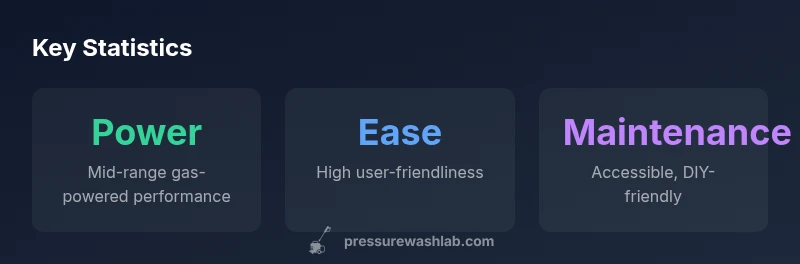
The yamaha pressure washer 3100 prioritizes portability without sacrificing core cleaning power. Its simplified design fosters reliable operation, easy maintenance, and predictable performance for a broad set of outdoor cleaning tasks. While it may not satisfy every heavy-duty or feature-focused user, it remains a practical, well-rounded option for homeowners and DIY enthusiasts who want dependable results with a straightforward running experience. In many typical scenarios, the 3100’s balance of power, ease of use, and maintenance friendliness makes it a compelling choice, especially for those who value simple ownership and steady, repeatable outcomes.
Pros
- Compact, portable design with user-friendly controls
- Solid reliability for routine residential cleaning
- Simple maintenance and easy-to-find parts
- Gas-powered freedom from electrical outlets
Cons
- Less feature-rich than premium models
- Fuel costs and emissions compared to electric units
- Not ideal for heavy-duty commercial workloads
- Maintenance requires some mechanical know-how
Best all-around value for homeowners who want gas-powered performance with simple maintenance
The Yamaha Pressure Washer 3100 delivers dependable cleaning for typical residential tasks in a compact, portable package. It hits a sweet spot for buyers who want straightforward operation without bells and whistles. If you need advanced features or professional-grade endurance, consider higher-end competitors, but for most households, the 3100 offers compelling value.
Quick Answers
What tasks is the yamaha pressure washer 3100 best suited for?
It's well-suited for routine outdoor cleaning like driveways, decks, and siding. It handles algae, mildew, and light dirt effectively without needing premium features. For heavy-duty professional use, you might want a more feature-rich model.
Great for routine outdoor cleaning like driveways and decks. For heavy-duty jobs, you may want a more powerful model.
Is starting and operating the Yamaha 3100 easy for beginners?
Yes. The unit emphasizes a straightforward start procedure and a simple spray-control system. While gas engines require basic familiarity with fuel and oil checks, overall operation is intuitive for first-time users.
Yes, it’s pretty easy to start and use for beginners.
What maintenance does this model require?
Regular checks include oil level, spark plug, and fuel quality. Cleaning the nozzle and hose after use helps prevent clogs. Seasonal storage and routine inspections of connections prevent leaks and prolong life.
Basic oil, spark plug, and fuel checks; keep the nozzle and hose clean.
How does it compare to electric pressure washers?
Gas models typically offer more power and portability without a power outlet but require fuel and more maintenance. Electric washers are quieter and simpler to maintain but depend on outlet access and may lack peak-cleaning power for tough grime.
Gas gives you power and freedom from outlets; electric is quieter and simpler to maintain.
What should I consider before buying?
Assess your cleaning tasks, space, and storage. If you need mobility and enough power for frequent outdoor cleaning, the Yamaha 3100 is a solid pick. If you require premium features or frequent heavy-duty use, compare against higher-end units.
Think about your tasks, space, and how much maintenance you’re willing to handle.
Key Takeaways
- Choose for portability and simple maintenance
- Expect reliable, mid-range cleaning power
- Avoid if you need advanced features or extreme durability
- Gas power offers outlet-free operation
- Regular basic maintenance preserves longevity