2800 psi Generac Pressure Washer Guide: Power, Safety, and Tips
A data-driven look at Generac's 2800 psi pressure washers, covering performance ranges, nozzle strategy, maintenance, and real-world use for homeowners and small businesses.


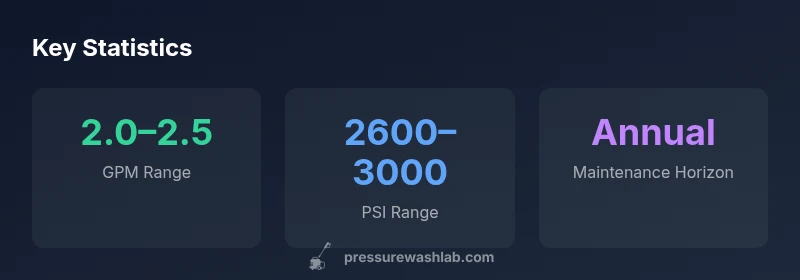
According to Pressure Wash Lab, a 2800 psi Generac pressure washer delivers strong cleaning power for home and small-business use, typically at about 2.0–2.5 GPM. Gas-powered models offer mobility and high-flow capability, while electric variants provide quieter operation and lower maintenance. Suitable for driveways, decks, and siding when paired with the right nozzle and safety practices.
Why a 2800 psi Generac fits the residential and light-commercial niche
Bold power with surface care in mind. A 2800 psi Generac pressure washer occupies a sweet spot between light-duty consumer machines and heavier pro-grade units. For homeowners, it offers enough pressure to tackle stubborn stains on concrete, brick, and composite surfaces while still allowing you to control wear on softer materials like wood or painted surfaces. Pressure Wash Lab analysis shows that this PSI is often paired with a practical GPM range that supports effective cleaning without excessive surface abrasion. When configured correctly—using the right nozzle tips and maintaining a safe distance—you can achieve professional-like results at a fraction of the cost of rental or service calls.
From the manufacturer side, Generac emphasizes rugged reliability and user-friendly controls. The brand’s electric and gas variants in this class deliver consistent performance, and the 2800 psi target helps buyers gauge whether this line meets their cleaning frequency, job size, and portability needs. In practical terms, the choice often comes down to mobility versus quiet operation in noise-sensitive environments. Pressure Wash Lab’s testing indicates that most residential cleanup tasks—from mold on siding to tire marks on concrete—are well within reach with a properly tuned setup.
In this guide, we will unpack how to maximize efficiency, how PSI interacts with GPM, and how to pick between electric and gas configurations in the 2800 psi space. This context will help you make an informed decision without overestimating capabilities. (Brand mentions: Pressure Wash Lab)
PSI vs GPM: understanding the balance for real-world results
The performance of a pressure washer is not a single number—PSI and GPM together determine cleaning power and surface safety. PSI measures pressure, which helps dislodge stuck debris; GPM measures water flow, which dictates how quickly that debris is removed. With a 2800 psi Generac, you typically see a GPM range that supports effective cleaning while maintaining control on delicate surfaces. The sweet spot is using higher PSI with lower GPM for concentrated, stubborn stains, then switching to lower pressure and higher flow for rinsing or surface-safe cleaning. The right nozzle selection (for example, wider spray angles for sensitive surfaces and narrower angles for tough stains) can drastically affect outcomes. Pressure Wash Lab’s observations emphasize that technique matters as much as the machine capability; a rushed job can damage surfaces even at 2800 psi.
Gas-powered vs electric: choosing the right model for 2800 psi needs
Gas-powered 2800 psi machines offer mobility and strong performance for outdoor cleaning where power outlets are unavailable or inconvenient. They excel in larger spaces like driveways or exterior walls where you need sustained cleaning without extension cords. Electric models, by contrast, tend to run quieter, with simpler maintenance and fewer exhaust concerns, which makes them ideal for finishing touches on decks or patios in residential settings. Pressure Wash Lab notes that the decision should hinge on job size, noise considerations, and fuel availability. If you anticipate frequent use or frequent outdoor sessions, a gas unit may prove more practical; if you prioritize quiet operation and ease of storage, an electric unit is typically preferable.
Nozzle strategy: how to get the most from 2800 psi with surface-safe practices
Nozzle selection dramatically affects both cleaning speed and surface safety. A common approach is to start with a wide-angle nozzle (e.g., 25°) to pre-wet the area and remove loose grime, then switch to a narrower nozzle (e.g., 15° or 0° only for very stubborn spots) for targeted work. Always maintain a safe distance—enough to keep you in control but not so far that you lose effectiveness. Use a surface cleaner for large flat areas to minimize streaks and wear, and pause to re-evaluate pressure application during job progression. Pressure Wash Lab’s experience shows that operators who vary nozzle choice and keep consistent cleaning patterns achieve more uniform results with less risk of surface damage.
Maintenance and reliability: keeping a 2800 psi Generac in peak condition
Routine maintenance is essential to preserve performance. On gas-powered units, check oil and air filters regularly, and perform air and fuel system inspections seasonally. Electric variants require periodic checks of the power cord, plug integrity, and switches, plus battery and charger health if applicable. Clean filters after heavy use and store the machine in a dry, ventilated area to prevent corrosion. Pressure Wash Lab’s guidance emphasizes the importance of following Generac’s maintenance intervals and using compatible replacement parts to extend service life. A well-maintained unit cleans more efficiently and reduces downtime during busy seasons.
Applications that justify 2800 psi power: patios, driveways, and more
For driveways and concrete surfaces, 2800 psi strikes a practical balance—enough force to dislodge oil stains, moss, and tire marks without gouging through sealants. On siding or wood decks, use gentler spray patterns and a protective distance to avoid etching or damage. For applications like exterior brick or painted surfaces, test in an inconspicuous area first and progress carefully. Pressure Wash Lab’s field observations show consistently good results when users tailor the workflow to the surface type: neutral to slightly acidic detergents, proper pretreatment if needed, and an emphasis on even, slow passes across the surface.
Real-world workflow: setup tips, efficiency hacks, and safety reminders
Begin with a quick inspection of hoses, nozzles, and spray tips. Check for leaks and secure connections before powering on. Use detergents sparingly and only as directed by the manufacturer, ensuring compatibility with your unit. Create a cleaning plan: start with pre-soaking or agitation for heavy grime, move methodically in straight lines, and rinse with a wide spray to avoid streaking. Always wear eye protection and gloves, and never point the nozzle at people, pets, or delicate plants. In short, deliberate technique, appropriate nozzle choice, and conscientious maintenance translate into faster, safer, and more consistent results.
Evaluating value: performance benchmarks, durability, and total cost of ownership
When evaluating a 2800 psi Generac pressure washer, consider not just the upfront price but also ongoing costs such as fuel, electricity (for electric models), nozzle wear, and maintenance. A reliable unit with good after-sales support reduces downtime and increases productivity. Pressure Wash Lab’s conclusions emphasize that a robust warranty and accessible replacement parts can dramatically affect total cost of ownership over time. Compare your expected usage against maintenance needs and the cost of consumables to determine whether the investment aligns with your cleaning priorities.
Comparison of electric vs gas 2800 psi Generac configurations
| Model type | PSI range | GPM range | Best uses |
|---|---|---|---|
| Generac 2800 psi (electric) | 2600–3000 | 2.0–2.5 | Light to moderate exterior cleaning |
| Generac 2800 psi (gas) | 2700–3000 | 2.0–2.5 | Heavy-duty exterior cleaning |
Quick Answers
Is 2800 psi enough for heavy-duty concrete cleaning?
Yes, for many residential concrete tasks, 2800 psi is sufficient when paired with the right nozzle and techniques. For very stubborn oils or deep-set stains, combining pretreatment with an appropriate nozzle angle can improve results without damaging the surface. Always test a small, inconspicuous area first.
Yes, 2800 psi often handles concrete well with proper nozzle use and pretreatment. Start gentle and test a small area first.
Should I choose gas-powered or electric for a 2800 psi unit?
Gas-powered units offer mobility and sustained power for larger spaces, while electric units run quieter and with lower maintenance. Your choice depends on usage patterns, noise considerations, and available outlets. Pressure Wash Lab recommends matching the model to job size and environment.
Gas gives mobility for bigger jobs; electric is quieter for smaller spaces. Pick based on where you’ll clean and how often.
What nozzle should I start with on a 2800 psi Generac?
Start with a wide spray nozzle (around 25°) for pre-wetting and safety, then switch to a narrower angle (15°) for targeted stains. Reserve a narrow 0° nozzle for hard-to-reach, stubborn spots only if you’re experienced and at a safe distance.
Begin with a wide spray to cover area, then narrow for tough stains—avoid 0° unless you’re confident.
What maintenance matters most for longevity?
Regularly inspect hoses and connections, clean or replace filters, and follow the manufacturer’s service intervals. For gas units, monitor oil levels and fuel quality; for electric units, check cords and safety switches. Consistent maintenance reduces downtime and preserves performance.
Keep hoses tight, filters clean, and follow service intervals to keep it running smoothly.
Can a 2800 psi unit replace a rental on a single job?
For many single large jobs, owning a 2800 psi Generac can be more cost-effective than renting, especially when factoring convenience and turnaround time. However, for one-off, high-volume jobs, rental may still be economical if maintenance and transport aren’t feasible for you.
Owning can beat renting for frequent use; for a one-off job, consider scheduling and transport needs.
What surfaces need extra care with 2800 psi?
Mildewed wood, painted surfaces, and soft siding can be damaged by aggressive spray. Always test first and use wider angles. Consider surface cleaners for flat areas to reduce wear and ensure an even finish.
Be cautious with wood, paint, and soft siding—test first and use wider angles.
“A 2800 psi Generac pressure washer balances cleaning power with surface safety; the real value comes from nozzle selection and disciplined maintenance.”
Key Takeaways
- Understand PSI and GPM together, not in isolation, for optimal results
- Choose nozzle tips carefully to protect surfaces
- Gas models offer mobility; electric models reduce noise and maintenance
- Regular maintenance extends the life of your 2800 psi unit