Exterior House Washing Near Me: How to Find Local Pros and Tips
Discover how to find reliable exterior house washing near me services, compare methods, safety, and maintenance tips from Pressure Wash Lab. Get practical steps to choose pros, protect your property, and extend curb appeal.


Search for exterior house washing near me to compare local providers, verify licensing and insurance, and review customer feedback. Look for services that include soft-wash options, gutter clearing, and eco-friendly detergents. Always request a written estimate and a pre-wash assessment. Check turnaround time, warranty, and access for algae or mold removal.
What exterior house washing near me entails and why it matters
According to Pressure Wash Lab, finding an experienced local contractor who specializes in exterior house washing near me starts with understanding your home's surfaces and soil types. Siding like vinyl, wood, brick, or stucco each respond to different cleaning approaches, so the right method protects the finish while removing dirt, mold, and mildew. A typical exterior wash includes cleaning the siding, soffits, window frames, and nearby hardscape, with gutters addressed if accessible. By choosing a nearby pro, you can schedule promptly, minimize travel time, and negotiate service windows that fit your climate. In practice, the best providers tailor the plan to your house and yard, offering a pre-clean assessment and a written estimate up front. This is especially important if you have delicate finishes or recently painted surfaces that require gentler handling.
Core cleaning methods used by pros for exterior surfaces
Professionals typically rely on two main approaches: pressure washing and soft washing. Pressure washing uses higher water velocity to blast away loose debris, while soft washing employs lower pressure with specialized cleaners to safely remove mold, algae, and grime from vinyl, wood, brick, and stucco without damaging the surface. For delicate materials like wood siding or freshly painted areas, soft washing is preferred to minimize stripping and etching. Surface cleaners and rotary nozzles help even out cleaning on large flat surfaces, while manual brushes tackle stubborn stains in corners and around fixtures. The right method depends on surface type, soil burden, and the presence of organisms like mildew. A good contractor explains options, tests a small area, and proceeds with proper technique to preserve curb appeal.
How to evaluate local providers near you
When selecting an exterior cleaning contractor near you, prioritize licensing and insurance, clear communication, and a documented plan. Pressure Wash Lab analysis shows that insured, licensed pros with positive reviews and transparent estimates deliver more consistent results and fewer disputes. Ask for a pre-clean assessment that identifies surface types, potential hazards, and a projected timeline. Request references or case studies, verify any certifications, and confirm a written warranty on workmanship and any cleaning agents used. Hydration and runoff control should be discussed if you have landscaping or soil beds nearby.
Safety, preparation, and planning before the crew arrives
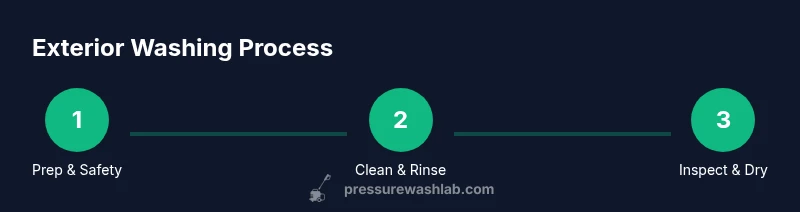
Preparation reduces risk and speeds up the process. Close windows and doors, cover delicate plants and outdoor furniture, and remove vehicles from driveways. Clear gutters if they are part of the plan, and make sure pets are indoors. Check weather forecasts; avoid washing during rain or extreme heat, which can cause rapid drying and streaking. Have a clear access point for hoses and ensure electricity isn't exposed to water. A quick safety briefing with the crew helps everyone stay aligned on expectations and limits of the work.
Maintenance after washing to extend curb appeal
After exterior washing, allow surfaces to dry completely before moving back planters or replanting nearby plants. Inspect for missed spots or streaking and request touch-ups if needed. To preserve results, consider scheduling seasonal cleans, especially in climates with heavy pollen, mold, or mildew growth. Store detergents safely away from children and pets and rinse any tools that touched cleaning solutions. A follow-up note documenting what was treated can help homeowners track long-term maintenance and plan future visits.
What to expect during service day and how to minimize disruption
Most exterior washes take a few hours for a typical single-family home, shorter for smaller houses and longer for multi-story homes or extensive siding. Expect the crew to prep the site, protect landscaping, and start with the least aggressive method before ramping up as needed. They should pause for a test on an inconspicuous area, seal off nearby entrances if necessary, and leave with a clean workspace and clear aftercare instructions. If you notice sprinkler systems or irrigation lines, coordinate a shutoff to prevent water waste.
Tools & Materials
- Pressure washer(Choose a unit with adjustable pressure and suitable flow; electric or gas can be used depending on job size and access)
- Soft-wash nozzle or low-pressure spray tip(Essential for delicate surfaces and mold/mildew removal without damage)
- Exterior-safe cleaning detergents or concentrates(Biodegradable, pH-balanced cleaners preferred; test on a hidden area first)
- Extension wand(To reach higher areas safely without ladders when possible)
- Ladder or scaffold(Stable, standards-compliant setup; follow height safety rules)
- Gutter cleaning tools(If gutters will be addressed during the wash)
- Tarps, drop cloths, or plastic sheeting(Protect plants and outdoor furniture from overspray)
- Protective gear(Safety goggles, waterproof gloves, non-slip footwear)
- Hose with adequate length(Water source hookup and backflow prevention)
- Soft brushes or scrub tools(For stubborn stains in corners or around fixtures)
- Runoff containment gear(Optional, but helpful near gardens or sensitive soil)
Steps
Estimated time: 2-5 hours
- 1
Survey surfaces and plan method
Inspect siding types (vinyl, wood, brick, stucco) and determine the safest cleaning method for each area. Identify any plants or features that require protection and decide whether soft washing or pressure washing is appropriate.
Tip: Document areas that are particularly fragile and plan to test a small patch first. - 2
Protect surrounding areas
Lay down tarps and cover vegetation, lights, and outdoor furniture. Close windows and doors to prevent water intrusion and ensure pets are inside the home.
Tip: If you have sensitive plants, tie back stems or move pots out of reach. - 3
Set up equipment and safety gear
Connect hoses, verify water flow, and equip safety gear. Position the ladder or scaffold securely if needed and adjust the wand for reach without overextending.
Tip: Do a quick safety check on all anchors and ensure electrical outlets are kept dry. - 4
Test on a small area
Apply the chosen method to a hidden patch (e.g., a corner of a siding panel) to confirm surface response and absence of damage or streaking.
Tip: Observe results for a full minute; if any damage occurs, switch method immediately. - 5
Apply cleaner and dwell as needed
Apply the cleaner using the soft wash approach, allowing it to dwell on mildew and stains. Rinse after the recommended dwell time to avoid residue.
Tip: Avoid over-wetting and ensure you wipe or rinse door thresholds to prevent water intrusion. - 6
Rinse thoroughly from top to bottom
Work in horizontal passes from the roof line downward, overlapping each stroke to prevent streaks and missed spots. Use a gentle rinse near edges and fixtures.
Tip: Keep a consistent distance to minimize surface damage and maximize rinse uniformity. - 7
Inspect and perform touch-ups
Review all surfaces for missed streaks or stubborn stains. Re-treat only the affected areas using appropriate technique and cleaner.
Tip: Document problem areas and plan a follow-up visit if needed. - 8
Dry, store equipment, and document results
Allow surfaces to dry fully before removing protections. Store tools properly and take photos for records to aid future maintenance.
Tip: Keep a simple maintenance log noting surface type and cleaner used.
Quick Answers
How do I find exterior house washing near me?
Begin with a local search, check licenses and insurance, and read customer reviews. Request a written estimate and a pre-clean assessment to compare methods and timelines.
Start with a local search, verify licenses, read reviews, then ask for a written estimate and a pre-clean assessment.
What should I ask a contractor before booking?
Ask about washing methods (soft wash vs. pressure wash), surface limitations, dwell time, warranties, and cleanup procedures to protect landscaping.
Ask about methods, surface limits, dwell time, warranties, and how they protect your plants.
Are cleaners safe for vinyl siding?
Yes, when using low-pressure soft washing with appropriate cleaners and proper dilution. Avoid harsh, high-alkaline products.
Yes—use low-pressure soft washing with the right cleaners and avoid harsh chemicals.
How long does exterior washing take?
Duration depends on home size, siding type, and the extent of staining. Plan for several hours for a typical two-story home.
It varies with size and stains, but expect several hours for a typical two-story home.
Is there a risk of damage with power washing?
High-pressure misapplication can damage siding, windows, and trim. Always test first and hire insured, experienced pros.
Yes, there can be risk if done with high pressure—test first and hire insured pros.
What maintenance should follow exterior washing?
Allow surfaces to dry completely, check for any missed spots, and schedule periodic cleanings based on climate and exposure.
Let it dry fully, check for missed spots, and plan future cleanings.
Watch Video
Key Takeaways
- Vet contractors before booking.
- Choose the right method by surface type.
- Protect plants and windows prior to cleaning.
- Inspect post-cleaning and plan routine maintenance.