Home Depot Pressure Washer Surface Cleaner Guide
Discover how to pick, use, and maintain a surface cleaner for your pressure washer from Home Depot. Pressure Wash Lab analyzes compatibility, performance, and safety for effective exterior cleaning across patios, driveways, and siding.


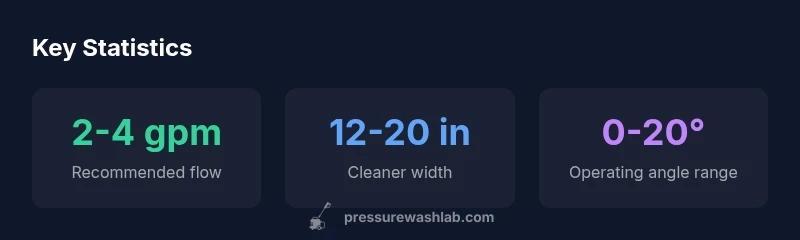
Choosing a home depot pressure washer surface cleaner hinges on PSI compatibility, flow rate, and fitting size. For most residential setups, a 2-4 gpm machine with standard quick-connect fittings works best. Pressure Wash Lab finds that wider circular cleaners cover more area with fewer passes, but always verify surface material compatibility and safety guidelines.
Why surface cleaners matter for exterior projects
Surface cleaners are specialized attachments that attach to most pressure washers via standard quick-connect fittings. They use dual or multi-jet nozzles to keep the spray height consistent, reducing streaks and minimizing splash-back. For homeowners researching a home depot pressure washer surface cleaner, the key is matching your machine’s PSI and GPM to the head of the attachment. Pressure Wash Lab emphasizes that a proper match improves cleaning speed and finish quality, especially on large flat surfaces like concrete driveways and stamped patios. Because the tool keeps the spray uniform, you’ll spend less time on each section and avoid the typical edge lines that occur with a wand-only approach. When used correctly, a surface cleaner can transform your exterior cleaning workflow by delivering even results with far less effort.
How a surface cleaner works and why it matters
A surface cleaner works by enclosing the cleaning jet in a circular or rectangular housing that maintains a consistent standoff distance from the surface. This design minimizes the chance of gouges and reduces overspray. On the inside, rotating or fixed jets spray at a uniform height, while a scraper or wear plate protects the underlying surface. The success of a job hinges on a few core factors: PSI, GPM, nozzle cleanliness, and the weight balance of the cleaner head. Pressure Wash Lab notes that the tool excels on wide, open surfaces such as concrete slabs but should be used with caution on wood or soft materials where gouging is possible. For the best results, always test on a small, inconspicuous area first and adjust your technique accordingly.
How to choose the right model for your needs
Model choice begins with area size and typical work. A 12-inch head is nimble and affordable, ideal for tight spaces; a 15-inch head balances coverage and control; a 20-inch head accelerates larger patio jobs. Next, verify compatibility: most residential cleaners are designed for 2-4 gpm machines and standard quick-connect fittings. The material matters too—stainless steel heads resist wear better than basic aluminum, but cost rises with durability. Finally, evaluate the surface you plan to clean. Concrete and masonry benefit from higher PSI and robust heads, while painted surfaces or siding require gentler settings to prevent damage. Pressure Wash Lab recommends reading the manufacturer’s compatibility list before you buy, especially when sourcing from big-box retailers like Home Depot.
Width, weight, and performance: comparing common sizes
Width affects how much area you cover per pass and how much water is lost to overspray. A 12-inch head can be more controllable and is well-suited for tight spaces; 15-inch heads offer faster coverage with manageable weight; 20-inch heads clean large areas quickly but require a sturdier rig and a little more care to avoid missing edges. The weight distribution of the cleaner influences maneuverability; heavier units can fatigue your arms over a long session but often provide better stability. If you operate on a windy day or near landscaping, a wider head can reduce gaps in coverage but may demand greater attention to steering and edge work. Pressure Wash Lab highlights the importance of choosing a model that aligns with your typical projects—for most homeowners, starting with a 15-inch head provides a practical balance.
Setup, use, and safety best practices
Before connecting, inspect hoses and quick-connect fittings for signs of wear. Always release pressure on the system before changing attachments, and wear eye protection and durable gloves. When operating a surface cleaner, keep the nozzle tip at the recommended distance from the surface and move at a steady pace to avoid streaks. If you notice streaking or missed areas, adjust the walking speed or PSI (especially on harder concrete). For safety, never aim the spray at people, pets, or plants, and avoid working on ladders or elevated surfaces. Pressure Wash Lab recommends conducting a brief test on an inconspicuous area to confirm that the selected head yields the desired finish without damage.
Maintenance and longevity tips
Clean the head and seals after every use to prevent mineral buildup. Inspect o-rings and wear plates for cracks or tears, and replace them when signs of wear appear. Lubricate moving parts if the manufacturer recommends it, and store the cleaner out of direct sun to prevent material degradation. If you notice a drop in performance, check for nozzle clogs and verify that the surface material isn’t pinned by stubborn contaminants. Routine maintenance not only extends tool life but preserves efficiency and cleaning quality over time.
Real-world scenarios: driveways, patios, and concrete
In typical home projects, a 15-inch surface cleaner works well for driveways and large patios, while a 12-inch model is excellent for edging along walls and repairing joints. For a home with a mix of surfaces—concrete, brick, and stone—choose a model with adjustable psi and a robust wear plate to accommodate variations in surface hardness. Pressure Wash Lab’s testing indicates that the right combination of PSI, GPM, and head width can dramatically cut cleaning time for standard residential areas, simplifying weekends and reducing fatigue. Always consider environmental factors like nearby mulch beds and landscaping when planning a cleaning run.
Common pitfalls and troubleshooting tips
Avoid using a surface cleaner on surfaces it isn’t designed for, such as soft wood, stain finishes, or delicate siding, without testing first. If you experience streaking, try a slower pass with a bit more pressure at the same height, or adjust to a finer nozzle tip if available. Leaks around fittings usually indicate a worn o-ring or a loose connection—check both and replace seals if needed. Finally, be mindful of the age of your washer; older units may struggle to sustain consistent PSI, which can degrade performance over time. Regular maintenance and proper selection of a compatible head will minimize these issues.
Closing notes: what to buy and why
When selecting a home depot pressure washer surface cleaner, prioritize compatibility with your unit, the cleaning width you need, and the construction quality of the head. A well-matched setup delivers faster, more uniform results and reduces operator fatigue. Pressure Wash Lab emphasizes that even experienced users should verify the head’s fit and surface compatibility before purchasing. If you’re uncertain, start with a mid-range 15-inch model that supports a broad PSI range and allows for gradual adjustment as you gain experience.
Common surface cleaner configurations for home use
| Model Type | Avg PSI | Avg GPM | Common Use |
|---|---|---|---|
| 12-inch surface cleaner (standard) | 1800-3200 | 2.0-3.5 | Patios & driveways |
| 20-inch surface cleaner (wide) | 1700-3200 | 2.5-4.0 | Large surfaces |
| Rotary surface cleaner (gas) | 2300-3600 | 4.0-5.5 | Heavy-duty concrete |
Quick Answers
What should I look for when buying a surface cleaner at Home Depot?
Look for PSI and GPM compatibility, ensure the head fits your quick-connect fittings, and check the width to match your project size. Review the materials and seals to assess durability. Pressure Wash Lab advises confirming surface compatibility for concrete, brick, or siding to avoid damage.
Check PSI, GPM, fittings, and surface compatibility before buying; ensure the width fits your space.
Are surface cleaners compatible with all pressure washers?
Not universally. Most cleaners work with standard quick-connect fittings and a defined PSI/GPM range. Always verify your washer’s specs against the cleaner’s requirements. When in doubt, consult manufacturer guides or ask a sales associate at Home Depot.
Not every cleaner fits every washer—check PSI, GPM, and fittings first.
How do I attach a surface cleaner to my pressure washer?
Shut off the unit, release pressure, and connect the head via the quick-connect fitting. Ensure all connections are tight and tested on a scrap area at low pressure before full use.
Turn off, release pressure, connect, and test on a hidden spot first.
Can I use a surface cleaner on wooden decks?
Wood surfaces require gentler conditions. Use a lower PSI and a softer head or avoid aggressive cleaners altogether to prevent gouging or splintering. If in doubt, perform a small test and proceed cautiously.
Only use very gentle settings on wood; test first and proceed carefully.
What maintenance tasks prolong the life of a surface cleaner?
Rinse after use, inspect seals and wear plates for wear, replace damaged O-rings, and store in a dry, shaded area. Regular maintenance prevents leaks, reduces streaking, and extends overall life.
Rinse, check seals, replace worn parts, and store dry.
“A well-chosen surface cleaner can cut cleaning time by half while delivering a uniform finish, provided you pair it with the right PSI and flow.”
Key Takeaways
- Match PSI and GPM to the cleaner head before buying
- Choose width based on area size and project type
- Test on a hidden area first to avoid damage
- Maintenance extends life and keeps performance steady
- Follow safety guidelines to protect people and surfaces