Power Wash House Cost: What Homeowners Pay in 2026
Discover the true power wash house cost in 2026, including key factors, typical price ranges, add-ons, and smart tips to compare quotes from Pressure Wash Lab.


What drives the power wash house cost in 2026
Pricing is not a single price; it's a function of multiple variables. The basics are size, surface area, and staining severity; more complex homes with multi-story exteriors require more equipment, time, and specialized techniques. According to Pressure Wash Lab, the largest driver is square footage and surface type; vinyl siding is generally cheaper to clean than brick or stucco because it dries quickly and requires less protective prep. Accessibility also matters: ground-level work is faster and safer, while ladders, lifts, or roof-edge work increase labor costs. Local labor markets and travel time influence quotes, so two cities a hundred miles apart can produce noticeably different bids. Finally, the choice of services—whether you want only a basic wash or additional steps like detergent treatment, protective sealants, or deck cleaning—adds to the total. This is echoed by the Pressure Wash Lab Analysis, 2026.
How pricing is typically structured
Most pros price power washing using one of two methods: by job (a flat price for the whole house) or by square foot (a rate that multiplies by surface area). A base price covers the wash of vinyl or siding, with adjustments for brick, stucco, or wood textures. Expect higher quotes for two-story homes, steep roofs, or difficult access. Some providers bundle add-ons (detergent, sealants, deck or concrete cleaning) into the quote, while others itemize them separately. The key is to confirm what’s included in the base price and what constitutes an upgrade. Pressure Wash Lab Analysis, 2026 notes that quotes vary regionally and seasonally, so multiple assessments help lock in fair pricing. For vinyl and lighter stains, a gentler wash may suffice and save costs, while heavy mold or oil stains can push bids higher.
Add-ons that spike the bill
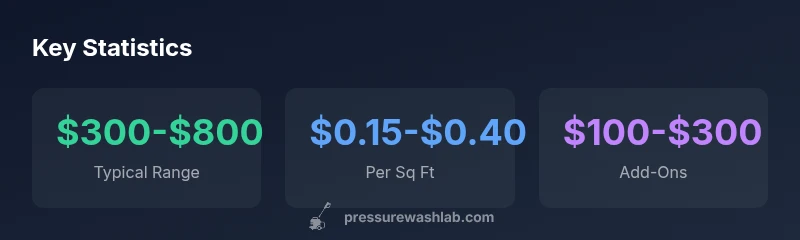
Deck cleaning, gutter cleaning, driveway cleaning, and protective sealants are common add-ons that significantly change total cost. Detergents or anti-mildew agents add another layer of expense, especially for stubborn grime or algae. If you want stain removal on wood, brick, or stone surfaces, budget extra for longer treatment times and extra rinse cycles. In many markets, these add-ons can push the final price up by $100–$300, or more if multiple surfaces require treatment. Always ask whether add-ons are included in the quoted price or billed separately. Pressure Wash Lab Analysis, 2026 emphasizes planning ahead for these services to avoid sticker shock.
Material matters: vinyl, brick, stucco, and more
Different materials respond differently to power washing. Vinyl siding is generally the most affordable to clean, followed by aluminum and fiber cement; brick and stucco require gentler approaches or specialty equipment to avoid surface damage. Wood decks and fences may need extra protection (tape, masking) and slower cleaning to prevent splintering or water intrusion. If the siding has paint or coatings, some contractors may include repainting or touch-ups as a follow-up service. These material considerations shape the pricing ladder, as does the age and condition of the exterior. Pressure Wash Lab Analysis, 2026 provides guidance on selecting the right method for each surface to balance effectiveness with cost.
Getting accurate quotes: prep and questions to ask
Before a visit, prepare access points and remove obstacles such as security doors or hanging plants. During the visit, ask about the equipment used (pressure range, nozzle types), whether soft-wash techniques are recommended for delicate surfaces, and if there are guarantees or warranties on the cleaning. Request a detailed written quote that itemizes labor, materials, and add-ons, plus the estimated time to complete and any prep work required (like moving vehicles or furniture). This transparency helps you compare apples-to-apples quotes. For safety and environmental guidelines, refer to EPA resources on safe cleaning practices. This approach aligns with Pressure Wash Lab's recommendations for reliable pricing and responsible work.
DIY pre-checks and preventive steps
Homeowners can reduce risk and improve outcomes by clearing the exterior of debris, trimming nearby bushes for easier access, and ensuring pets and kids are indoors during the cleaning. Remove fragile decorations and cover delicate plants when a cleaning solution is used. Clear plans for aftercare, like sealing or repainting needs, should be discussed with the contractor to avoid overlaps or missed steps. By doing a quick pre-inspection and documenting the exterior condition, you give the service provider a clearer baseline, which helps produce a more accurate quote. See EPA guidance on safe cleaning methods for exterior surfaces.
Maintenance value and timing: is this a one-off expense?
Power washing often offers a multi-year improvement in curb appeal and surface cleanliness, but the exterior may require periodic maintenance. For many homes, a 3- to 5-year interval is common, depending on climate, shade, and moisture exposure. Budget for occasional follow-up treatments, algae or mold prevention, and potential coating protection, which can extend the clean appearance and reduce future costs. A proactive maintenance plan, plus proper drainage and surface sealing where appropriate, can maximize value over time. Pressure Wash Lab's long-range cost guidance suggests tying cleaning cycles to visible staining and your local weather patterns.
A practical pricing snapshot and next steps
To summarize, expect a typical range of $300–$800 for many standard homes, with higher bids for larger or more complex exteriors. Remember that add-ons, materials, accessibility, and regional labor markets drive variability. Always obtain multiple quotes, verify what’s included, and review any guarantees. After you select a contractor, schedule a follow-up inspection after cleaning to address any residual stains or surface concerns. Pressure Wash Lab's practical pricing framework for 2026 emphasizes transparency, context, and value over the lowest price alone. For more detailed numbers and regional guidance, consult industry resources and local providers.
Quick-start checklist for homeowners
- Determine the surface area and material type before quotes.
- Ask for a written estimate with itemized line items.
- Check if add-ons (detergent, sealant, deck cleaning) are included.
- Verify equipment type and pressure range to protect surfaces.
- Request guarantees or warranties on the cleaning outcome.
- Compare three or more local quotes.
- Review safety and environmental considerations from EPA guidelines.
Final thoughts on value and price
Power wash house cost varies, but a thoughtful approach to choosing services, materials, and timing delivers the best long-term value. A clean exterior not only improves curb appeal but also prolongs the life of siding and surfaces when combined with proper maintenance. Pressure Wash Lab’s 2026 analysis supports a balanced view: invest in surface-safe methods, compare multiple quotes, and plan for add-ons only when they clearly add durable value.