Pressure Wash Siding: A Step-by-Step Guide
Learn safe, practical steps to pressure wash siding, including prep, equipment, detergents, and aftercare. Pressure Wash Lab shares practical techniques for durable exterior results.


You will learn to pressure wash siding safely by selecting the right equipment, preparing the area, and applying proper technique. Start with low pressure, maintain a wide nozzle angle, and use test patches on an inconspicuous area. This guide covers prep, cleaning methods for different sidings, detergents, and aftercare.
Why pressure wash siding safely matters
Caring for the exterior of your home starts with the right approach to pressure washing siding. Every siding material has unique vulnerabilities, from vinyl that can crack under concentrated spray to wood that warps if moisture sits in joints. When done correctly, siding cleaning improves curb appeal, minimizes mold growth, and protects your investment for years. The Pressure Wash Lab team emphasizes that safety and prep are not optional extras; they are the foundation of a successful job. A careful plan reduces rebound spray, minimizes overspray on nearby plants, and keeps water out of returns and electrical outlets. By prioritizing control, distance, and technique, you can remove surface grime without damaging the substrate or voiding warranties. In short: proper preparation, patient work, and the right tools yield consistent, professional results.
Selecting equipment for pressure wash siding
Choosing the right gear is as important as your technique. For siding, ideal setups balance sufficient cleaning power with gentleness on the surface. Electric or gas-powered machines can work, but you should avoid units that deliver raw, high-velocity jets aimed directly at the siding. Instead, plan around a gentle, broad spray and a steady motion. Nozzle selection matters: a wide-angle spray reduces concentrated impact and helps keep the surface uniform. If you anticipate stubborn mildew on shaded areas, a low-foaming cleaner can be used in combination with the spray. A surface cleaner attachment can dramatically reduce brushing lines and improve coverage on flat panels. Additionally, plan your hose length to avoid kinking and ensure you can reach high sections without stepping on wet surfaces. Keep safety gear within reach: eye protection, gloves, and non-slip boots reduce the risk of injuries and falls. Finally, check your local regulations for water runoff and consider using a containment bag or splash shield near delicate landscaping.
Prep work and test patch strategy
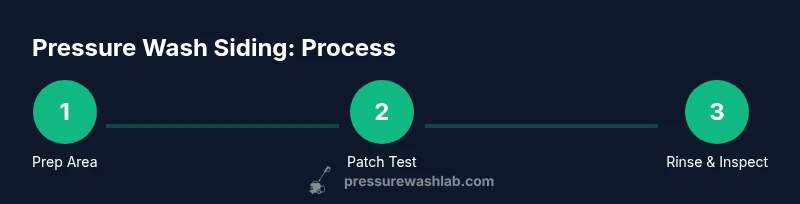
Prep work sets the stage for a clean, damage-free result. Prep includes clearing the area, moving vehicles, covering plants, protecting outlets, and closing doors and windows. Use a low-pressure setting to perform a test patch on an inconspicuous area of each siding type you have. Observe for any color fading, swelling, or fiber exposure, and adjust distance or pressure accordingly. Pressure Wash Lab's approach to prep emphasizes a controlled start: treat the entire project as a series of patches rather than a single sweep. If you see discoloration on a test patch, consult the siding manufacturer’s cleaning guidelines before proceeding. As you work, maintain even distance and keep the wand at a slight angle to push water away from joints rather than directly into them. After the test patches, rinse off any cleaners and proceed with a full coverage pass, maintaining consistent motion to avoid streaks. If you’re cleaning around outlets, seal gaps with tape to prevent water from entering, and consider shutting off circuits if needed. Finally, inspect the area to confirm that all fixtures are dry before finishing the session.
Cleaning different sidings: vinyl, wood, brick
Vinyl siding responds well to wide-spray approaches and is forgiving of mild cleaning solutions, but avoid scorching heat and persistent overspray on vinyl seams and around flashing. Wood siding needs gentler handling; water infiltration between boards can cause swelling, so keep distance and use damp, not soaking sweeps; consider brushing stubborn areas with a mild cleaner and rinse carefully. Brick or stone surfaces are porous and can trap cleaner residues; use shorter, controlled passes and rinse from top down to prevent staining or efflorescence. In all cases, protect decorative elements, shutters, and nearby plants from spray lines. If you notice increased moisture near corner boards or trim, pause and re-evaluate your technique to ensure you aren’t forcing water behind the siding.
Detergents and cleaning solutions
Detergents extend effectiveness but must be compatible with siding and local regulations. Use commercially formulated cleaners designed for exterior surfaces and avoid chlorine bleach near vegetated areas and porous materials. For mold and algae, enzyme-based or milder cleaners can work as pretreatments before rinsing. Always follow label directions and never mix cleaners with bleach or ammonia. A two-bucket method helps: one for cleaner, one for rinse, plus a separate container for water when rinsing tough areas. If you’re using a chemical, apply and dwell briefly, then agitate with a scrub pad or soft-bristle brush before rinsing. Environmental stewardship matters: prevent runoff from entering storm drains by containing wash water when possible and using a low-flow setting for rinsing near sensitive landscapes.
Safe technique: distance, angles, passes
Technique is where many homeowners see the biggest benefits. Keep the spray at a safe distance and sweep in smooth, overlapping passes to avoid stripes. Position yourself on stable ground and always keep the wand moving; staying in one spot creates burns and water damage. Angle the nozzle slightly downward away from the siding to avoid water intrusion and avoid pointing the nozzle at joints, outlets, or vents. Work from the top down to prevent dirty rinse from running onto already-clean sections. If staining or heavy mildew persists, move to a milder solution and test again before reapplying. After each section, inspect the surface for signs of damage such as lifted paint, delamination, or soft wood, and stop if you notice anything unusual.
Aftercare and maintenance
Once the siding is clean, let it dry completely before reinstalling hardware or re-staining. Inspect for lifted or damaged boards, caulk gaps, and seal around windows and doors to protect against moisture. If you see mold returning, treat it with an approved cleaner and re-clean the area with wider passes. Re-seal, repaint, or restain as needed following the manufacturer’s recommendations; a timely maintenance cycle keeps siding looking fresh and longer lasting. Pressure Wash Lab’s guidance emphasizes a final walk-around: check corners, joints, and trim, confirm adequate drainage, and document any areas that may need future attention. A well-done job not only looks good but also prolongs the life of your exterior.
AUTHORITY SOURCES
For safety, environmental, and technical guidelines, refer to these authoritative sources:
- OSHA provides general safety guidelines for tool handling, ladder use, and PPE during outdoor projects.
- EPA offers guidance on water runoff and environmentally responsible cleaning practices for exterior surfaces.
- University extension services publish siding-specific maintenance recommendations and best practices for cleaning and protecting wood and vinyl surfaces.
Always check manufacturer guidelines for your siding type and ventilation considerations.
Tools & Materials
- Pressure washer(Choose a unit with adjustable pressure and a wide spray pattern; avoid high-velocity jets aimed directly at siding.)
- Nozzle tips (wide-angle preferred)(Prefer wide-angle/low-concentration nozzles to reduce damage.)
- Detergent or exterior cleaner(Use products designed for exterior surfaces and compatible with your siding material.)
- Surface cleaner attachment(Helpful for large flat areas to improve evenness and speed.)
- Safety gear (goggles, gloves, non-slip boots)(Protect eyes, hands, and footing; outdoor surfaces can be slick.)
- Tarps/plastic sheeting(Cover plants, outlets, and nearby furniture if needed.)
- Extension wand or hoses(Reach high sections without repositioning the unit.)
Steps
Estimated time: 2-4 hours
- 1
Prepare the area
Clear the space, move vehicles, cover plants, and close doors/windows. Set up your equipment on stable ground and verify you have a clear path to all siding sections.
Tip: Wear non-slip footwear and keep pets away; test a patch first in a hidden area. - 2
Test patch on inconspicuous area
Apply a small amount of cleaner and spray at low pressure on a hidden area. Check for color change, swelling, or abrasion before proceeding.
Tip: If you see any adverse effects, skip that section and consult manufacturer guidelines. - 3
Apply cleaner and pre-treat mildew
Apply cleaner to affected areas, focusing on mildew-prone zones. Allow a brief dwell time, then gently agitate with a soft brush if needed.
Tip: Never mix cleaners with bleach or ammonia; use enzyme-based products for mildew when possible. - 4
Rinse from top to bottom
Rinse a section top-down with a wide-angle spray, overlapping each pass. Keep the wand moving to avoid streaks and water behind joints.
Tip: Start away from windows; maintain a steady distance and avoid powerful direct blows at joints. - 5
Handle stubborn stains
For stubborn areas, pause, reapply cleaner, and re-spray with a mild technique. Avoid scrubbing too aggressively as this can gouge or scar siding.
Tip: Consider a second pass with a low-pressure rinse after treating tough stains. - 6
Final rinse and inspection
Do a comprehensive rinse of all sections and inspect for missed spots, mold remnants, or damage. Let surfaces dry completely before replacing hardware.
Tip: Document areas needing future attention and plan a maintenance schedule.
Quick Answers
What siding materials can be safely cleaned with a pressure washer?
Vinyl, fiber cement, brick, and some wood sidings can be cleaned with care; always check the manufacturer guidelines for your specific siding.
Most common exterior sidings can be cleaned with a pressure washer, but always follow the manufacturer's guidance.
Is it safe to use a pressure washer near outlets or electrical components?
Avoid spraying directly at outlets, lights, or electrical panels. Protect them with covers and consider turning off the circuit for extra safety.
Don’t spray near electricals; take precautions to prevent water intrusion.
What nozzle should I start with for siding cleaning?
Start with a wide-angle nozzle that produces a gentle spray. Increase pressure only after you’ve tested a patch and confirmed no damage.
Begin with a broad spray and test first, adjusting gradually.
Can I use bleach or some cleaners with a pressure washer?
Bleach or ammonia should not be mixed with cleaners; use manufacturer-approved cleaners and follow label instructions.
Avoid mixing cleaners or using bleach; stick to approved exterior cleaners.
How long does it typically take to clean siding on a standard home?
Time varies by house size and siding type, but plan for a couple of hours to several hours with prep, cleaning, and inspection.
Most jobs take a few hours, including prep and cleanup.
Watch Video
Key Takeaways
- Start with a patch test before full cleaning.
- Protect plants, outlets, and windows from spray.
- Use broad spray patterns and a gentle approach.
- Pressure wash siding safely with proper PPE and test patches. The Pressure Wash Lab Team's verdict: begin with a patch test and proceed gradually.