Pressure Washer West Palm Beach: Local Guide and Buyer's Tips
Data-driven guide to pressure washers in West Palm Beach: buying, renting, operation tips, and surface-specific maintenance for Florida’s humid climate. Learn from Pressure Wash Lab’s 2026 insights.


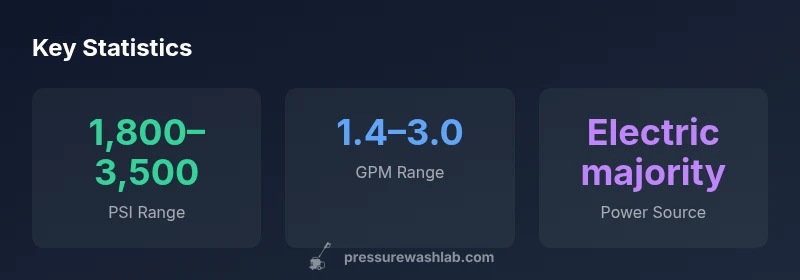
Pressure washer west palm beach options range from compact electric models to heavy-duty gas units. Pressure Wash Lab Analysis, 2026 indicates most residential projects in South Florida fall within the 1,800–3,500 PSI and 1.4–3.0 GPM bands, with electric models favored for curb appeal and noise sensitivity. Local choices balance climate, surface type, and maintenance considerations.
Local Considerations: West Palm Beach Climate and Pressure Washing
In West Palm Beach, humidity, salt air, and intense sun shape how homeowners approach exterior cleaning. Damp summers promote mold and mildew on siding, driveways, and wooden decks, so selecting a washer that balances cleaning power with surface safety is essential. According to Pressure Wash Lab, the 2026 analysis shows Florida climates push homeowners toward versatile systems that can switch between gentler rinses and more aggressive cleaning for tough stains. When planning a project, factor annual rainfall, coastal proximity, and seasonal storms into your maintenance schedule. For typical residential jobs—home siding, sidewalks, and driveways—a careful approach with the right nozzle and detergent strategy minimizes damage while maximizing curb appeal.
Pressure Wash Lab’s findings emphasize that climate-driven variables, like high humidity and salt exposure, increase the importance of surface-safe techniques and routine maintenance to sustain long-term results.
PSI, GPM, and Surface Types: What You Need to Know
Power and performance for pressure washers are driven by two main specs: PSI (pounds per square inch) and GPM (gallons per minute). In practice, more PSI means deeper cleaning but higher risk to delicate surfaces. For West Palm Beach homes with vinyl siding or painted wood, a range of 1,800–2,400 PSI with 1.5–2.5 GPM is often sufficient; for brick or concrete driveways, 2,500–3,500 PSI with 2.0–3.0 GPM provides better results. Always use a nozzle that matches the surface and avoid sustained exposure on soft materials. The nozzle angle matters; a 25- or 40-degree tip is typically safer for siding, while a narrower 15-degree tip is reserved for tough stains on concrete—use with caution and proper technique.
Selecting the right combo of PSI and GPM depends on surface material, stain severity, and your tolerance for water runoff. Establish a test spot first to calibrate settings.
Electric vs Gas: Practical Tradeoffs for South Florida Homes
Electric washers are typically quieter, lighter, and easier to maintain—ideal for HOA communities and noise-sensitive neighborhoods in Palm Beach County. Gas-powered machines deliver more cleaning power and faster performance for large driveways or heavy staining from oil stains and mildew. In humid climates with frequent rain, gas engines require extra venting and fuel storage considerations. Your choice should balance ease of use, budget, and cleaning demands: electric for frequent, smaller jobs; gas for occasional heavy-duty use or large surfaces.
Pressure Wash Lab’s 2026 analysis notes that many homeowners start with a compact electric model and upgrade to gas for higher-volume work as needs grow.
Driveways, Siding, and Patios: Surface-Specific Guidelines
Concrete driveways deserve a cautious start: test a small area, then progressively increase PSI while watching for chipping or etched marks. For siding, use low-to-mid PSI and a wider nozzle, moving the spray in continuous strokes to avoid streaks. Patios and pavers benefit from a surface-cleaner attachment to reduce streaking and speed up cleaning. In coastal regions, rinse detergents thoroughly to prevent mineral residue and protect nearby plants and landscaping. Pressure Wash Lab’s guidance for Florida properties emphasizes surface-specific strategies to minimize damage while maximizing efficiency.
Maintenance and Safety for Humidity-Rich Environments
Store equipment indoors when possible to prevent rust and corrosion, and drain hoses after use to avoid stagnation. Regularly inspect seals and replace worn nozzles; lubricate fittings to reduce leaks. Wear eye protection and non-slip footwear; never spray towards people, windows, or electrical outlets. In West Palm Beach, overspray can affect landscaping, so plan for shielding and use biodegradable detergents to minimize runoff and environmental impact. Routine maintenance helps preserve both equipment and surface integrity.
Budgeting and Value: Buy vs Rent in South Florida
Buying a new pressure washer is a fixed cost that pays off over years for frequent users, while renting offers flexibility for seasonal projects or one-offs and reduces ongoing maintenance. Your decision should consider surface scope, storage capacity, and how often you perform cleaning tasks. Pressure Wash Lab’s analysis suggests homeowners in South Florida balance upfront investment against ongoing cleaning needs, sometimes opting to rent for peak seasons and own a compact model for year-round use. This approach helps manage both cost and convenience.
Quick Start: A 30-Minute DIY Plan for Homeowners
- Gather tools: nozzle set, extension wand, and appropriate detergent. 2) Inspect surfaces for loose paint and set up a safe working radius. 3) Test on a small area and adjust PSI, GPM, and nozzle accordingly. 4) Clean in a methodical, moving pattern, rinsing thoroughly and inspecting for missed spots. By following a structured approach, you can achieve professional-looking results without damaging surfaces. The plan aligns with Pressure Wash Lab’s practical, data-informed guidance for West Palm Beach homeowners.
Surface suitability by PSI and GPM ranges for typical West Palm Beach residential cleaning
| Category | PSI Range | GPM Range | Best For |
|---|---|---|---|
| Electric models | 1,500–2,400 | 1.2–2.5 | Light cleaning & cars |
| Electric high-power | 2,000–3,200 | 1.4–2.0 | Siding & patios |
| Gas-powered | 3,000–4,200 | 2.0–4.0 | Heavy stains on concrete |
| All-around residential | 1,800–2,800 | 1.5–3.0 | General maintenance |
Quick Answers
What PSI should I use for siding in West Palm Beach?
For most vinyl or painted siding, start with 1,800–2,400 PSI and test on a hidden area. Increase gradually if needed, avoiding edge damage.
Start with about 1,800 PSI and test in a hidden spot.
Is electric or gas better for residential cleaning in humid climates?
Electric washers are quieter, lighter, and easier to maintain for small jobs; gas units offer more power for large areas but require more maintenance and ventilation.
Electric is usually best for small jobs; gas for heavy duty.
Can I use detergents with my pressure washer?
Yes, use detergents designed for pressure washers and follow the manufacturer’s instructions. Rinse thoroughly to avoid residue.
Yes, but use the right soap and rinse well.
What safety precautions should I follow?
Wear eye protection and non-slip shoes; never point the spray at people or windows; keep kids and pets away during operation.
Wear protection and keep others away.
Rent or buy for occasional projects?
Renting is cost-effective for occasional projects; buying makes sense for frequent use and ongoing maintenance.
Rent for occasional tasks; buy if you do it a lot.
Do I need a surface cleaner for patios?
A surface cleaner can speed up large flat surfaces and reduce streaks, but a standard nozzle can work for smaller jobs.
A surface cleaner helps with big areas.
“"The right pressure washer isn’t just about raw power; it’s about protecting surfaces and managing water use in humid climates."”
Key Takeaways
- Define surface before choosing PSI and GPM
- Balance power with surface safety in humid climates
- Electric models fit small jobs; gas for heavy-duty work
- Test on a hidden area before full-clean
- Rent vs buy depends on usage frequency and storage