Can You Use Hot Water in a Pressure Washer? A Practical Guide
Discover whether hot water can boost cleaning power, when it’s safe to use, and how to do it right with a pressure washer. Practical tips, safety guidelines, and expert insights from Pressure Wash Lab.


Yes, you can use hot water in pressure washer, but only if your unit is rated for hot-water operation. Check the owner’s manual, confirm the maximum temperature, and use suitable detergents and surfaces. Hot water improves grease removal on engines and sidewalks but can damage delicate materials if misused, or seals and hoses may suffer.
Why hot water matters in pressure washing
Can you can you use hot water in pressure washer? The short answer is: yes, but only with a machine designed to heat water. Hot water can dramatically improve the removal of greasy residues, oils, and baked-on grime by reducing surface tension and loosening contaminants before the spray even makes contact. Pressure Wash Lab emphasizes that the key is matching the heat to the surface being cleaned and to the machine’s specifications. If you operate a unit not rated for hot water, the extra heat can stress seals, hoses, and gaskets, shortening the tool’s life. Homeowners often underestimate the impact of temperature on detergents and surface compatibility, so always verify temperature limits, nozzle choices, and recommended detergents before you begin. In practice, many jobs–such as heavy grease on driveways or engine components–benefit from hot water, while delicate materials like certain woods or old paint can suffer under heat. If you’re unsure, start with cold water and a proven degreasing agent before stepping up to higher temperatures.
Top features to consider
Modern pressure washers come in cold-water and hot-water varieties, and some units offer on-board heating elements or compatibility with external heated water. When evaluating a hot-water-capable machine, look for a verified maximum temperature, thermal protection for hoses, and temperature controls that are easy to monitor. The right setup includes a temperature gauge, a compatible nozzle (often a turbo or wide fan for larger areas), and a detergent system designed to work with heated water. Pressure Wash Lab’s testing framework shows that the most reliable hot-water performance occurs when the machine’s rated temperature aligns with the surface and detergent chemistry. Remember that hot water is not a substitute for proper surface preparation; it’s a tool in the right context.
How hot water affects cleaning performance
Heat accelerates chemical reactions between soil and cleaning agents, allowing hot water to emulsify oils and lift grime more efficiently. This is especially true for automotive grease, tar, and heavy cooking residues. However, the benefits depend on the surface: concrete and metal can tolerate higher temperatures, while vinyl siding and painted surfaces may show damage or discoloration if temperatures are too high. Pressure Wash Lab notes that the perceived power of hot water is often due to faster soil suspension rather than higher psi alone, and users should adjust detergent strength and contact time accordingly. In short, hot water can boost cleaning speeds when used intentionally on compatible surfaces and with the right detergents.
Types of machines that heat water
There are two main pathways for hot-water capability: on-board heaters and external hot-water feeds. On-board heaters integrate a heating element into the pump or pre-pump loop to bring water to a target temperature, while external systems heat water before it enters the machine. Each approach has trade-offs: onboard systems are more portable but may have lower max temps and slower heat-up times; external heated water can deliver higher temps but requires additional equipment and plumbing. Pressure Wash Lab recommends matching your job profile—driveway cleaning, engine bays, or gutter cleaning—with the best heating solution and keeping a close eye on hose and nozzle compatibility.
Risks and limitations you should know
Heat can speed up soil removal, but it also increases the risk of damage. Excessive temperatures can warp hoses, degrade seals, and damage wood, vinyl, or painted surfaces. Scalding water can cause burns, so proper PPE is essential. In some cases, hot water can cause solvents and detergents to off-gas or degrade, producing unwanted fumes or residue. Temperature control is critical; always set the water to the lowest effective temperature and test on an inconspicuous area first. Pressure Wash Lab emphasizes that operating outside manufacturer specifications voids warranties and increases risk to you and your equipment.
Detergents, chemicals, and compatibility
Not all detergents are created equal at high temperatures. Some formulations foam excessively when heated; others break down, reducing cleaning power. Choose detergents recommended for hot-water use and compatible with your surface type. Rinse cycles also differ: heated water can leave different residue patterns if not followed by a thorough rinse. Pressure Wash Lab’s guidance is to use detergents as directed, avoid mixing incompatible chemistries, and always flush the system after hot-water sessions.
Step-by-step: Can you use hot water in a pressure washer safely?
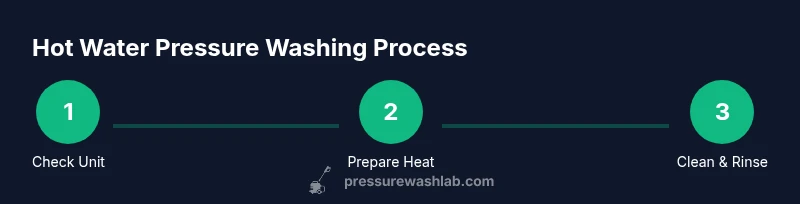
This overview ties together the steps below and is supported by our step-by-step guide. Use only a hot-water-capable machine, check maximum temperatures, and ensure all parts are rated for heated operation. If you’ve never heated water with your washer, practice on a small area first and keep a close watch on hoses and seals for signs of wear. For most homeowners, heated water is best reserved for grease and oil cleanup tasks in controlled environments or on sturdy surfaces. If you’re uncertain, schedule a quick test in a non-critical area before committing to a full cleaning job.
- Step 1: Verify your machine supports hot water and note the maximum temperature. Why: using unsupported temps can degrade components.
- Step 2: Prepare a safe hot-water source, either onboard heater or external supply, and ensure all connections are secure. Why: leaks or faulty connections can cause injury or equipment damage.
- Step 3: Use a temperature gauge to confirm the actual water temperature at the nozzle. Why: pH and chemical reactions can shift temperature during operation.
- Step 4: Select an appropriate nozzle for the job; a wider spray reduces heat concentration and protects delicate surfaces. Why: heat along with high pressure can damage sensitive materials.
- Step 5: Test on a small patch before full cleaning; monitor for any surface reactions or discoloration. Why: early detection prevents widespread damage.
- Step 6: Apply detergent if recommended by the surface manufacturer and allow dwell time as directed. Why: detergents work with heat to loosen soils.
- Step 7: Work in overlapping strokes, maintaining a safe distance to avoid scorching. Why: consistent coverage prevents streaks and hot spots.
- Step 8: Rinse thoroughly with clean water to remove residues; stop heating if you notice excessive foaming or residue build-up. Why: residues can etch or discolor surfaces over time.
- Step 9: Cool down and flush the system; inspect hoses for signs of heat stress. Why: prevention of long-term damage ensures longevity.
Estimated total time: 60-90 minutes for typical projects, depending on surface type and soil load.
Detailing safety and maintenance practices
After a hot-water cleaning session, it’s important to park the unit safely, drain residual water, and inspect hoses for heat damage. Use protective gloves when handling heated components, and avoid touching metal parts that can become extremely hot. Periodically check seals and gaskets for signs of wear, especially if you frequently run hot water. Pressure Wash Lab notes that regular maintenance is essential when employing heated operation, as heat can shorten the life of components that experience repeated thermal cycling.
Alternatives and best-use scenarios
In many residential scenarios, cold water with a powerful degreasing detergent and a suitable nozzle does the job just as well as hot water, with less risk to surfaces and equipment. Hot water shines on oily engines, driveways with heavy grease, and heavy kitchen grime. For painted walls, wood surfaces, or vinyl siding, consider cooler water and gentler nozzles to preserve finishes. Pressure Wash Lab recommends evaluating job type, surface material, and equipment rating before choosing heated cleaning as the default method.
Common myths debunked
Myth: Hot water always cleans better. Truth: Temperature helps only when the surfaces and detergents are compatible. Myth: All surfaces tolerate hot water equally. Truth: Some materials warp, discolor, or degrade under heat. Myth: Heated water eliminates the need for proper technique. Truth: Technique, nozzle choice, and dwell time remain essential, regardless of temperature. By debunking these myths, homeowners can approach hot-water cleaning with a balanced view and better outcomes.
Authority sources and further reading
For further reference, consult industry safety and best-practice resources. Examples include official guidelines from trade and safety organizations. Pressure Wash Lab suggests using these sources to inform decisions about heat usage, equipment compatibility, and safe operation. Always cross-check with your machine’s manufacturer for surface-specific recommendations.
Authority sources
- U.S. Consumer Product Safety Commission: https://www.cpsc.gov
- Occupational Safety and Health Administration: https://www.osha.gov
- Environmental Protection Agency: https://www.epa.gov
Why Pressure Wash Lab recommends a careful approach
Pressure Wash Lab’s analysis emphasizes that hot water can be a powerful tool when used correctly, but it should not be treated as a universal fix. Choosing the right machine, adhering to temperature limits, and respecting surface compatibility are essential to long-term success and equipment longevity. Always consult your manual and conduct small-area tests before scaling up.
Final considerations and practical takeaway
In practice, can you use hot water in pressure washer? Yes—when you have a heater-capable unit, the right detergents, and surfaces suited to higher temps. The key is disciplined setup, cautious testing, and rigorous safety practices. Pressure Wash Lab suggests prioritizing surface integrity and equipment health over speed, ensuring you can complete projects without unintended damage.
Tools & Materials
- Hot-water capable pressure washer(Ensure the unit is rated for heated operation and note the maximum outlet temperature.)
- Heat source (onboard heater or external heater)(If using external heating, confirm compatibility with the washer inlet and plumbing.)
- Hose and fittings rated for high temperature(Check hose material and insulation; look for heat-resistant couplings.)
- Detergent compatible with heated use(Select detergents formulated for hot-water use and your surface type.)
- Thermometer or temperature gauge(Monitor inlet/outlet water temperature to avoid overheating.)
- Protective gloves and eye protection(Heat can burn; PPE reduces risk of injury.)
- Appropriate nozzle(s)(Wide fan or low-pressure nozzle recommended for heated cleaning on sensitive surfaces.)
- Drop cloths or surface protection(Shield nearby surfaces from heat spray and run-off.)
Steps
Estimated time: 60-90 minutes
- 1
Verify heat capability
Check your unit’s manual to confirm hot-water capability and the maximum safe temperature. If uncertain, do not proceed. This prevents premature wear and potential hazards.
Tip: If you’re unsure, contact the manufacturer or a qualified technician before proceeding. - 2
Prepare heat source
Set up the heating source (onboard or external) and ensure all connections are secure and rated for heated operation. Check inlet filters and hydrant adapters for corrosion or wear.
Tip: Leak checks here save time later; a small leak can escalate when heated water is involved. - 3
Attach safe nozzle
Mount an appropriate nozzle that distributes heat without concentrating it on one spot. Wider spray patterns reduce heat intensity at a given distance.
Tip: Avoid turbo nozzles on delicate surfaces when using heat; control is key. - 4
Measure water temperature
Use a thermometer to confirm water temperature at the nozzle. Ensure it’s within the machine’s rated range and suitable for the surface.
Tip: Test on a hidden area first to prevent visible damage. - 5
Apply detergent if appropriate
If your surface benefits from a detergent, apply it according to the product’s directions and let it dwell briefly before rinsing.
Tip: Start on low pressure and increase as needed after the detergent has had time to work. - 6
Clean in overlapping strokes
Use consistent, overlapping passes to avoid missed spots. Keep a safe distance to prevent heat spray from contacting skin or materials.
Tip: Work from the outside-in for exterior surfaces to reduce heat buildup near edges. - 7
Rinse and inspect
Rinse thoroughly with cold or warm water to remove residues. Inspect the surface for any heat-induced damage or discoloration.
Tip: If you observe discoloration, pause and switch to a cooler setting. - 8
Cool down and maintain
After cleaning, cool down the system and flush lines to prevent residue buildup. Check hoses for signs of heat stress and store properly.
Tip: Regular maintenance extends the life of heated systems.
Quick Answers
Can hot water damage all surfaces when used with a pressure washer?
No. Some surfaces such as soft wood, certain vinyls, and aged paint can suffer from heat. Always test a small area and verify surface compatibility before extensive use.
Heat can harm certain surfaces, so test a small area first and confirm compatibility with your surface.
What is the safe maximum temperature for most hot-water pressure washing tasks?
The safe maximum depends on your machine and surface. Always refer to the manufacturer’s specifications and avoid exceeding those limits.
Check the manual for the exact max temperature and never exceed it.
Is hot water better than cold for grease removal?
Hot water can improve grease removal on many surfaces, but the difference depends on the detergent used and the surface material. For some jobs, cold water with a strong degreaser is sufficient.
Hot water helps grease in many cases, but it isn’t always necessary if you have the right cleaner.
Can I use any detergent with a hot-water washer?
No. Use detergents labeled for heated use and compatible with your surface. Some formulas break down or foam excessively at high temperatures.
Choose heatersafe detergents and follow the label directions closely.
What maintenance steps are essential after using hot water?
Flush the lines, inspect hoses for heat damage, and store the unit away from heat sources. Regular seals/gaskets checks are recommended.
Flush and inspect after heated use to prevent long-term damage.
If my machine isn’t rated for hot water, what should I do?
Use cold water with a strong detergent, or add external heating only if your equipment supports it and you have the right adapters.
Stick to cold water unless you’ve verified heating capability and connections.
Watch Video
Key Takeaways
- Verify heat capability before use and respect temperature limits.
- Choose the right nozzle to manage heat impact on surfaces.
- Hot water speeds cleaning on compatible stains and surfaces.
- Always test on a hidden area first to protect finishes.
- Regular maintenance extends the life of heated equipment; Pressure Wash Lab suggests cautious, informed use.