DIY Pressure Washer Trailer: Build, Equip, and Use
A comprehensive, step-by-step guide for building a mobile cleaning setup with a diy pressure washer trailer. Learn planning, components, wiring, safety, maintenance, and practical build tips for homeowners and DIY operators.


A DIY pressure washer trailer lets you tow a compact mobile cleaning setup by mounting the pressure washer, water tank, hose reel, and power system on a trailer frame. Plan the hitch, electrical, plumbing, and safety features before you start; this guide provides a clear, step-by-step path to success. Follow the sections below for practical build details.
Planning Your DIY Pressure Washer Trailer
When you embark on a diy pressure washer trailer project, you’re solving the problem of mobility and on-site efficiency. Start by clarifying your use cases: weekly service routes, event cleanups, or occasional job-site work. Determine payload—weight of the washer, water, hoses, and accessories—and ensure the chosen trailer frame can handle it with a safe margin. According to Pressure Wash Lab, a well-planned trailer reduces setup time and enhances overall reliability. Consider hitch compatibility, local road regulations, and insurance implications before you buy materials. This upfront planning will drive component choices and wiring layout, and it helps prevent costly reworks later. In this guide, you’ll see how to translate goals into a practical bill of materials and a staged build plan.
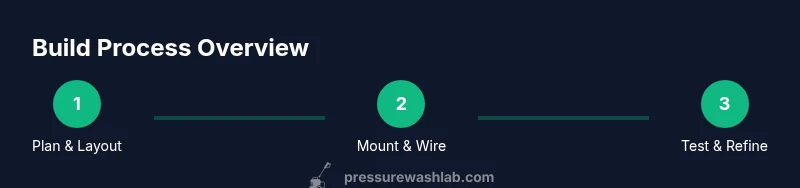
Before you purchase parts, sketch a simple layout that shows where the washer will mount, where the water tank sits, and how hoses route to the reel and nozzle hookups. A clear plan helps you evaluate weight distribution and trailer tongue load, which influences tow-vehicle performance and braking. Include a maintenance plan that accounts for seasonal storage, cleaning, and parts replacement. A well-documented plan also speeds up approvals if you’re using the trailer for commercial work. Finally, set measurable milestones and safety criteria so you can track progress and avoid scope creep.
content_type_shown_for_seo_only Qualifier:
Tools & Materials
- Trailer chassis/frame with axle and wheels(Ensure compatibility with tow vehicle and intended load; consider dual-axle for heavier setups.)
- Pressure washer mounting hardware(Anti-vibration mounts, brackets, and strap system to secure the unit.)
- Water tank(Capacity chosen based on typical job lengths (20–60 gallons recommended) and space on trailer.)
- Water fill port and connectors(Secure, watertight fill, with quick-disconnect options if needed.)
- High-pressure hose reel(Reel should accommodate hose length (20–50 ft) and withstand exposure to water pressure.)
- Paint, primer, and rust protection(Coat frame to resist weathering and corrosion.)
- Electrical power source(Battery, inverter, or small generator sized to run the pump and accessories.)
- Wiring harness and fuses(Marine/automotive grade; keep wiring neat and protected.)
- Lighting and reflectors(DOT-compliant lights for road use; install wiring channels.)
- Unloader valve, check valves, fittings(Match to pump specifications and ensure leaks are minimized.)
- Hitch and coupler(Secure, compatible with your tow vehicle; include a breakout lock.)
- Tools: drill, grinder, wrench set, torque wrench(For mounting, cutting, and securing components.)
- Safety gear and PPE(Gloves, eye protection, hearing protection for all handling and assembly.)
- Spare parts kit(Gaskets, O-rings, extra clamps, and hose clamps.)
Steps
Estimated time: 12-16 hours
- 1
Define requirements and constraints
Identify your primary use cases, required water capacity, and expected travel distances. Establish weight targets and trailer compatibility, then map how components will fit together. Recording these decisions early prevents later rework and keeps the build focused.
Tip: Capture measurements and load calculations before cutting any material. - 2
Acquire materials and tools
Gather all core components and tools based on your planned layout. Verify that parts fit your trailer frame and that you have safety equipment on hand.
Tip: Order slightly extra hose length to accommodate routing changes. - 3
Prepare trailer frame and mounting points
Clean and prime the frame area. Mark mounting positions for the washer, hose reel, and water tank, ensuring solid anchors and even weight distribution.
Tip: Verify ground clearance and avoid interfering with trailer wheels or suspension. - 4
Install water tank and plumbing
Mount the water tank securely and route plumbing with proper supports. Install anti-siphon valves and ensure clean water supply that won’t backflow into the pump.
Tip: Use strain reliefs on hoses to prevent kinks during movement. - 5
Mount the pressure washer and accessories
Secure the washer to its bracket and attach the hose reel, spray gun, and nozzle storage. Balance mass to keep tongue load within safe limits.
Tip: Vibration isolation minimizes wear and improves pump life. - 6
Run water lines and install fittings
Connect pump to tank via proper fittings. Seal all joints and test for leaks with a controlled water fill before powering any electrical system.
Tip: Leak tests save time and protect components from water damage. - 7
Configure power system and controls
Decide between battery/generator options and wire the control switches, pressure gauge, and safety interlocks. Include a battery isolator and fusing for protection.
Tip: Keep high-current wires separate from low-voltage circuits. - 8
Wire trailer lighting and safety features
Install DOT-compliant lights, reflectors, and wiring harnesses. Add safety features like wheel chocks and a brake assist if required by local rules.
Tip: Inspect all connections with a test light and inspect for loose terminals. - 9
Test operation and calibration
Power up the system with water supply and verify pump operation, pressure consistency, and hose reel function. Calibrate unloader valve settings and nozzle selections.
Tip: Document baseline readings for future maintenance. - 10
Weatherproofing and protective coatings
Seal exposed connections and apply rust-proof coatings. Consider covers for the battery and electrical modules to shield from rain and dust.
Tip: Use breathable covers to prevent moisture buildup during storage. - 11
Create a maintenance plan and safety checklist
Schedule regular torque checks, hose inspections, and electrical tests. Develop a simple safety checklist for each job to promote consistent practices.
Tip: Record maintenance intervals and parts replaced to track trailer health. - 12
Perform final field test and documentation
Tow the trailer in a controlled environment, test on different terrains, and document results. Create a quick reference guide for operators that includes safety notes and basic troubleshooting.
Tip: Leave contact information for service support if needed.
Quick Answers
Can I build a DIY pressure washer trailer on a standard utility trailer?
Yes, you can adapt a standard utility trailer, but you must assess weight capacity, hitch compatibility, and braking requirements for safe operation. Plan a layout that keeps important systems accessible and within the trailer’s weight rating.
Yes, you can reuse a utility trailer if you confirm weight and safety requirements.
What water tank size should I choose for a mobile setup?
Choose a tank size that fits your typical job duration and space constraints. A larger tank reduces refill frequency but adds weight; balance this against your tow vehicle’s capacity.
Pick a size that matches how often you’ll refill in your usual work.
What type of power source is best for a diy pressure washer trailer?
Select a power option (battery/inverter or small generator) based on pump wattage, how long you’ll work between refuels, and noise restrictions at job sites.
Choose between battery/inverter or a small generator based on workload and noise needs.
Do I need a permit or license to tow a pressure washer trailer?
Permit and licensing requirements vary by region. Check with local motor vehicle departments and insurance providers to confirm whether your trailer needs registration or inspection.
Check your local rules; requirements vary by area.
How do I winterize the trailer and water system?
Drain the water system, add antifreeze approved for portable pumps if necessary, and store electrical components indoors when freezing risk is present. Use protective covers for exposed fittings.
Draining and protecting components helps prevent freeze damage.
What maintenance schedule should I follow?
Inspect hoses and fittings weekly during active use and perform a thorough monthly check of fasteners, electrical connections, and the mounting hardware. Replace worn parts promptly to avoid leaks and failures.
Regular checks prevent surprises on the job site.
Watch Video
Key Takeaways
- Plan first, build second: a clear layout saves time.
- Balance weight to ensure safe towing and good handling.
- Secure components with vibration isolation to extend life.
- Test thoroughly before field use and document results.
- Maintain safety and regulatory compliance for reliable mobile cleaning.