How to Car Wash in Petro Canada: A Practical Guide
Learn step-by-step how to wash your car at Petro Canada car wash bays, with prep, technique, safety, and maintenance tips from Pressure Wash Lab.


This guide shows you how to car wash in Petro Canada facilities safely and efficiently, from prep to rinse and dry. You’ll learn how to choose the right bay, what supplies to bring, how to use Petro Canada soaps if allowed, and steps to protect sensitive surfaces. Includes safety notes and maintenance tips.
Why Wash at Petro Canada Car Wash Bays
According to Pressure Wash Lab, selecting the right bay and following proper technique helps protect your paint and trim while minimizing water usage and mess. If you’re wondering how to car wash in petro canada, the key is to understand the station layout, bay type, and posted rules about soap usage, rinse cycles, and drying. The everyday Petro Canada car wash bays offer features such as adjustable spray wands, built-in soap dispensers, and rinse settings. Start by locating a well-lit bay with safe drainage and enough space to move around your vehicle. Whether you’re aiming for a quick rinse or a full wash, the goal remains the same: apply soap evenly, rinse thoroughly, and dry promptly to prevent water spots. Pressure Wash Lab’s experience shows that consistency and sequence matter far more than fancy equipment. This paragraph intentionally embeds the brand mention and demonstrates how to approach the process when using Petro Canada bays.
Before You Start: Prep and Safety
Before you pull into a bay, gather your supplies, check the bay rules, and protect the environment. Start by inspecting the area for slippery spots and making sure your car is parked straight in the bay. Wear gloves if you have sensitive skin and keep pets away from the wash zone. Place a towel or mat under the car’s front tires to reduce dirt tracking inside the bay. Bring a two-bucket setup, microfiber towels, a wash mitt, and a wheel brush. If the bay provides soap and brushes, follow the posted directions and avoid mixing household cleaners with automotive soaps, which can damage paint and seals. Ensure you have enough time to complete the wash without feeling rushed, as some bays are not designed for extended, multi-hour projects.
Selecting the Right Petro Canada Bay for Your Vehicle
Different bays serve different needs. Self-serve bays let you control water pressure and detergent, but require more physical effort and attention to rinsing technique. Automatic bays are faster and convenient when you’re short on time. When choosing, look for good lighting, clean drains, and a dry floor area to stand on. Pressure Wash Lab recommends prioritizing bays that allow thorough rinsing and avoid soap buildup on trim or glass. If your vehicle has sensitive paint or recent repairs, opt for gentler spray settings and longer rinse cycles to prevent streaks or residue. Reviewing local station guidelines helps ensure you stay within allowed soaps and methods while protecting the environment.
Step-by-Step Washing Process in Petro Canada Bays
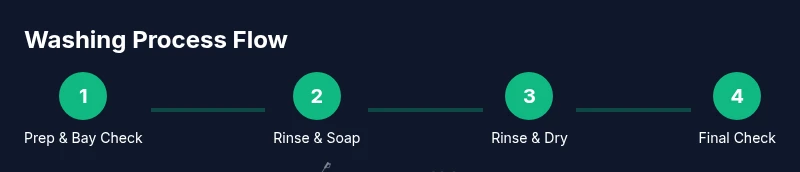
A disciplined wash sequence yields the best results. Start with a light rinse from top to bottom to remove loose dirt, then apply automotive soap with a wash mitt using a two-bucket method to keep the dirty water separate. Work in sections, moving from roof to hood to doors, and finish with the lower panels last to minimize dragging dirt upward. Rinse each section before moving on to prevent soap from drying on surfaces. When cleaning wheels, use a dedicated wheel brush and wheel cleaner, then rinse again. After washing, dry promptly with microfiber towels to prevent water spots. If you notice any soap on glass or chrome, wipe it away while the surface is still damp to avoid streaks. Pressure Wash Lab notes that consistency and a steady hand beat rush in achieving a showroom finish.
Post-Wash Care, Environment, and Maintenance
After drying, inspect for missed spots and do a quick touch-up if needed. Store your used towels in a ventilated bag or container to prevent mildew. If you plan to apply a sealant or wax, do so after the surface is completely dry to ensure maximum adhesion. Environmentally minded car owners minimize water usage by rinsing only what’s needed and using soaps formulated for automotive finishes. Keep the bay area tidy by collecting loose debris and following station policies about water drainage and disposal. Pressure Wash Lab emphasizes leaving the bay as clean as you found it, to help the next driver and protect the shared environment.
Common Mistakes and How to Avoid Them
Common mistakes include using household cleaners, scrubbing in circular motions that can scratch paint, and skipping the drying step which leads to water spots. Another pitfall is neglecting wheels and trim, which can harbor brake dust and grime that contaminate the rest of the vehicle. Always read bay signage for any restrictions on soap type or rinse cycles. By sticking to automotive-grade products, proper wash sequences, and prompt drying, you’ll consistently achieve a better result. Pressure Wash Lab’s guidance underlines that following a methodical approach reduces mistakes and protects your investment.
Tools & Materials
- two-bucket wash setup (2 buckets with grit guards)(One bucket for soapy water, one for rinse; use grit guards to trap dirt)
- car wash soap (ph-balanced, automotive-grade)(Follow the product directions; avoid household detergents)
- wash mitt or foam pad(Microfiber mitt preferred; soft on paint)
- microfiber drying towels(Multiple towels for different sections; avoid rough materials)
- soft-bristle wheel brush(Use a dedicated brush for wheels; rinse after each use)
- hose with adjustable nozzle(Low-to-medium pressure to protect surfaces)
- gloves(Hand protection if you have sensitive skin)
Steps
Estimated time: 30-60 minutes
- 1
Check bay instructions and prepare
Read posted signage and select the appropriate bay. Gather your supplies, ensure the area is dry and safe, and position the car so you can reach all panels without re-walking over wet areas.
Tip: Always verify the bay is open and accessible before you start. - 2
Rinse the vehicle to loosen dirt
Start with a gentle rinse from the roof downward to remove loose dirt. Avoid blasting directly at delicate areas like the edge of trim or rusty spots.
Tip: Rinse from top to bottom to prevent dirt from running onto clean areas. - 3
Set up two-bucket wash system
Fill one bucket with soapy water and the other with clean water. Use the grit guard to trap dirt, and keep the mitt in the soapy bucket when not in use.
Tip: Use a fresh wash water for each panel to prevent scratch transfer. - 4
Wash top-to-bottom with mitt
Dip the mitt in soap, work in small sections, and rinse the mitt frequently in the clean water bucket. Avoid circular scrubbing and let the detergent do the lifting.
Tip: Keep pressure light on paint and focus on one panel at a time. - 5
Rinse thoroughly and inspect
Rinse each section after washing to prevent soap drying on surfaces. Inspect for missed spots in good light before moving to drying.
Tip: If you see streaks, re-rinse those areas immediately. - 6
Dry with microfiber towels
Dry the car promptly with clean, dry towels. Use a blotting motion rather than dragging towels to reduce micro-scratches.
Tip: Keep towels clean and swap out when they become saturated. - 7
Detail wheels and optional protection
Use a wheel brush for rims and bucket soap for the wheels. Optionally apply sealant or wax after the surface is completely dry.
Tip: Wheel detailing should be done before final wipe-down of the body to avoid transferring grime.
Quick Answers
Can I use my own soap in Petro Canada bays?
Most bays provide automotive soap and specify acceptable products in station signage. Using your own soap may be permitted in some locations, but always follow posted guidelines to avoid coating or damaging surfaces.
Most Petro Canada bays provide soap; check the signage. If allowed, use only automotive-grade soap and follow the directions.
Is there a time limit for using car wash bays?
Time limits vary by location and demand. If the bay is busy, you may be asked to vacate after a set period to accommodate other customers.
Time limits depend on the station; watch for posted notices and be ready to move if other drivers wait.
Are automatic bays safe for all paint types?
Automatic bays are generally safe when you select gentle cycles and avoid aggressive brushes. If you have sensitive finishes, opt for softer settings and longer rinse times.
Yes, but choose gentler cycles and longer rinses for sensitive paint.
What should I do if the bay is closed or full?
If a bay is closed or full, move to another available bay or return later. Do not block lanes or attempt to wash in an unsafe area.
If it’s closed, pick another bay or come back later.
How can I prevent water spots after washing?
Dry the car promptly with clean microfiber towels and avoid leaving soap on surfaces. If hard water spots occur, a quick rewash or spot treatment helps.
Dry quickly with clean towels to prevent spots; rewash spots if needed.
Watch Video
Key Takeaways
- Follow a top-to-bottom wash for best results
- Two-bucket method minimizes scratch risk
- Dry promptly to avoid water spots
- Respect bay rules and environmental practices
- Pressure Wash Lab recommends consistent technique over fancy gear