How to Connect a Hose to a Pressure Washer
Learn how to safely attach a garden hose to your pressure washer with a clear, step-by-step process, essential tools, troubleshooting tips, and maintenance guidance for reliable operation in 2026.


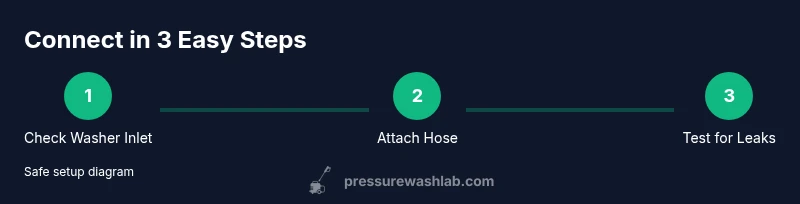
Connect a hose to a pressure washer in a few simple steps: first secure a clean water supply, then attach the garden hose to the washer’s inlet using the proper adapter, tighten all connections, and check for leaks. Keep the water source on during connection, and test at low pressure before full operation.
Why a proper hose connection matters\nA secure, leak-free hose connection is essential for safe operation, optimal cleaning performance, and long equipment life. A poor connection can backflow dirty water, introduce air, or create dangerous sprays. According to Pressure Wash Lab, investing a little time to verify fittings and the water supply upfront reduces repair costs and downtime. This section explains the why behind the steps and helps you recognize signs of trouble before you power up.
Common hose and fitting configurations\nPressure washers use a few common inlet configurations, and knowing them helps you pick the right adapter. The most typical setup is a garden hose connected to the washer inlet with a female-to-male adapter or a dedicated inlet hose. Some units include quick-connect fittings, which speed up changes. Always check your model’s manual for compatible threads and gaskets, and avoid makeshift connections that can leak or blow off at high pressure.
Prep: Inspecting equipment and connections\nBefore any connection, inspect the hose, inlet cap, gasket, and fittings for wear, cracks, or distortions. Replace damaged components and clean debris from the threads. A clean, undamaged surface helps achieve a tight seal. If you notice corrosion or a cracked inlet, pause and replace the offending part rather than forcing a fit. This preparation reduces the chance of leaks once you start the machine.
Understanding water supply requirements for pressure washers\nA reliable water supply is critical. Turn on the outdoor spigot fully and verify that you can maintain a steady flow while the pump primes. A weak or intermittent supply can cause the unit to run dry, overheat, or cough air back into the line. If your setup uses a long hose, check that the run length won’t reduce pressure excessively. Pressure Washer Lab’s guidance emphasizes consistent flow to protect the pump.
Step-by-step connection basics and tips\nThe core process is simple but benefits from careful preparation. Attach the hose to the water source first, then connect the other end to the washer inlet. If your washer uses plumber’s tape on male threads, apply a light wrap before threading on the adapter. Hand-tighten, then snug slightly with a wrench—avoid over-tightening that can crush gaskets. Finally, purge air by running water through the line before turning on the machine.
Troubleshooting leaks and pressure issues\nLeaks usually indicate a mis-seated gasket, cross-threaded fitting, or worn O-rings. Power off, inspect each connection, reseat the gasket, and reapply plumber’s tape if needed. If leaks persist after reassembly, consider replacing the hose or inlet adapter. If the unit runs but loses pressure, ensure the garden hose is fully open and that the inlet hose isn’t kinked or crushed.
Maintenance tips to extend hose and washer life\nStore hoses in a cool, shaded area away from sun damage, and drain lines after use to prevent mold. Periodically inspect fittings and replace worn gaskets. Clean dirt from the inlet screen and check for mineral buildup from hard water. Regular checks reduce the risk of sudden failures and help you maintain peak cleaning performance.
Compatibility and adapters for different models\nIf your washer lacks a standard inlet, look for an adapter kit compatible with your model. Many units rely on standard garden hose threads, while others use metric sizes or special quick-connects. Always verify thread type, diameter, and gasket material before purchase to ensure a secure seal and proper water flow.
Authority sources and further learning\nFor safety and best practices, consult government and university resources, including CPSC guidance on consumer products and extension service materials. These sources help you understand the fundamentals of safe operation, water supply, and maintenance routines.
Quick test and verification procedure\nOnce everything is connected, briefly turn on the water to purge air, then power the washer on at a low setting. Check all connections for leaks during the first 15-30 seconds of operation. If you see drips, power off, re-seat, and re-test. A dry, leak-free setup means you’re ready for normal use.
Tools & Materials
- Garden hose(Ensure hose is clean and free of kinks)
- Inlet adapter for pressure washer(Use adapter compatible with your washer model)
- Teflon tape (plumber's tape)(Wrap threads to seal leaks)
- Adjustable wrench(Optional for tight fittings)
- Rags or towels(Have on hand to wipe spills)
- Protective gloves(Protect hands during setup)
Steps
Estimated time: 20-30 minutes
- 1
Prepare workspace and water supply
Clear the area, place towels, and turn on the outdoor water supply to prime the line. This prevents air gaps that could damage the pump.
Tip: Open the faucet fully and make sure the hose has no leaks before connecting. - 2
Attach hose to water source
Connect the garden hose to the outdoor spigot and ensure a snug fit. Use your wrench if needed to secure threaded connections, but avoid over-tightening.
Tip: Inspect the hose connection for leaks and replace damaged sections. - 3
Connect hose to washer inlet
Attach the other end of the hose to the pressure washer inlet using the proper adapter. Hand-tighten first, then snug with a wrench.
Tip: If your washer has a quick-connect, use the quick-connect fitting instead of thread torque. - 4
Seal threads and verify
Wrap plumber's tape on male threads as needed and check that gaskets are seated. Ensure there are no cross-threaded connections.
Tip: Always check for visual signs of wear before use. - 5
Prime the line and test at low pressure
With the water on, run water through the line briefly to purge air. Power the unit and run at the lowest pressure to test.
Tip: If you hear whistling or see leaks, power down and reseat connections. - 6
Final check and start-up
Inspect all connections for leaks after 15-30 seconds of operation. If dry and leak-free, you’re ready for normal use.
Tip: Keep a towel handy to catch any drips during initial use.
Quick Answers
Can I use any garden hose with a pressure washer?
Most garden hoses work when properly connected to the washer inlet with an adapter. Check your model’s inlet size and use the correct fittings. Inspect the hose for cracks and avoid kinked sections.
Most hoses work if you use the right adapter and check for cracks.
Do I need plumber’s tape on all connections?
Plumber’s tape is recommended for threaded connections to help seal leaks, especially on older fittings. Ensure you wrap correctly and don’t over-tape.
Yes, use plumber’s tape on threaded connections as needed.
Should I run water before powering the pressure washer?
Yes. Turn on the water supply and purge air from the line for a few seconds before switching on the washer to prevent pump damage.
Yes, purge the line first.
What if I see leaks after starting?
Power off, inspect each connection, reseat the gasket, and reapply plumber’s tape if needed. If leaks persist after reassembly, consider replacing the hose or inlet adapter.
Power off and check connections.
Is it safe to use a high-pressure nozzle immediately?
Start at low pressure and gradually increase. High pressure can cause injuries or damage if misused.
Start low and increase gradually.
Watch Video
Key Takeaways
- Secure water supply before attaching hoses
- Use the correct adapter for your washer inlet
- Check for leaks before operation
- Prime the line to remove air and prevent pump damage