How to Fix Pressure Washer Pull Cord: A DIY Guide
Learn how to diagnose and repair a failing pull cord on your pressure washer with clear, step-by-step instructions. Safety tips, tooling, and maintenance to prevent future failures.


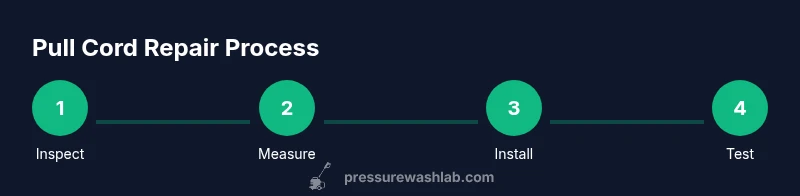
According to Pressure Wash Lab, you can safely fix a stuck or broken pressure washer pull cord by following a clear repair sequence. Start by unplugging the unit and allowing the engine to cool, then inspect the recoil starter for frayed cord or a seized pulley. Replace the cord to the correct length, reassemble, and test at low pressure before full operation.
Understanding the recoil starter system
The recoil starter is the hand-crank mechanism that powers your engine when you pull the cord. Inside, a spring-loaded coil winds and unwinds to engage the engine's flywheel. When the cord or pulley wears, you may notice a weak pull, a slack feel, or no recoil at all. Understanding the components helps you diagnose whether the problem is the cord, the pulley, or the starter pawls. Most failures begin with rope wear at the handle or a cracked spring housing. Over time, heat, fuel exposure, and bending stress can degrade the rope and the pulley lip, leading to reduced grip or a snapped rope.
Safety and preparation before repair
Safety should never be skipped. Start by disconnecting spark plugs or the battery to prevent accidental starting, then drain any fuel if you’re working on a gas-powered model. Work in a well-ventilated area with gloves and eye protection. Keep small parts organized to prevent loss, and avoid forced stringing or bending of the recoil housing, which can worsen damage. If you smell fuel or notice a fuel leak, stop and address that safety issue first.
How to fix pressure washer pull cord
Inspect the pull cord path and identify whether the cord is frayed, the handle is detached, or the spring is stuck. If the rope shows signs of wear or the free end won’t retract, you’re likely dealing with a cord problem. A seized pulley or pawl can also prevent smooth recoil. Document what you see before disassembly to aid reassembly. If you’re unsure, err on the side of caution and pause the repair until you have the right replacement parts.
Diagnosing pull cord wear vs. pulley damage
Compare symptoms to common failure modes: frayed or stretched cord that won’t retract, handle spinning without movement, or a visible notch on the pulley lip. Use a flashlight to inspect the pulley grooves for cracks. If the spring feels loose or the coil doesn’t return, you may be facing a damaged recoil spring rather than a simple cord replacement. A misaligned pulley can mimic cord failure and cause premature wear.
Gather the right tools and replacement cord
Use the correct length and diameter cord recommended for your unit. A typical replacement rope is nylon and designed for recoil starters. Prepare pliers, a utility knife, screwdrivers, and a way to measure the old rope. Have a clean workspace and a container for small parts. If you’re uncertain about cord size, check your manual or contact the manufacturer. Matching the original cord is crucial for proper tension and reliable retraction.
How to measure the correct pull cord length
Remove the starter cover and gently pull the old rope out to measure. Note the exposed length, then add extra length to account for knots and the handle attachment. Using the included chart in your manual, determine the proper length. Incorrect length can cause poor starting performance or damage when the cord snaps. Measure twice, cut once, and avoid stretching the new cord during installation.
Accessing the recoil housing safely
Loosen screws securing the starter housing and lift the cover to reveal the recoil assembly. Keep track of any springs under tension. If the spring pops out, do not force it back; use a helper and reference the service manual. Label the components so you can reassemble in the correct order. A secure lid when reassembling prevents dust ingress and future wear.
Replacing a frayed cord: step-by-step approach
Cut the old rope away, thread the new cord through the correct path, and tie secure knots at the handle. Ensure the cord seats properly in the pulley grooves and that the free end has enough length to grip. Lubricate lightly with engine oil where indicated by the manufacturer, if required. Re-seat the pulley and test tension without fully closing the housing. A precise fit prevents snagging and premature wear.
Reassembling the recoil spring and pulley
Carefully guide the recoil spring back into place, keeping tension aligned with the housing. Reinstall the pulley and ensure the spring engages the pawls correctly. Avoid over-tightening screws; snug is usually enough. Verify the rope retracts smoothly by hand before reassembling the cover. A misalignment here is a common cause of a wobbly or ineffective pull.
Reconnecting the handle and testing the cord tension
Attach the handle to the cord securely with a knot that won’t slip. Reinstall the recoil cover and reconnect any loose components. Test by pulling the cord gently to ensure it retracts smoothly and returns to rest without snagging. If the cord binds, recheck the path and pulley alignment before full startup. Always perform a final function test with the unit unplugged from any power source.
Common mistakes to avoid during recoil repair
Avoid forcing parts into place, skipping safety steps, or using inexact cord sizes. Don’t lubricate bearings with fuel or motor oil unless the manual specifies. Don’t test the pull cord while the engine is hot or still connected to fuel lines. Double-check the fuel cap, air filter, and spark plug connections after repair. These steps reduce the risk of post-repair failures.
Maintenance to extend cord life and prevent future failures
Regularly inspect the recoil housing for wear, replace cords at the first sign of fraying, and store the unit with the pull cord engaged only when necessary. Keep the machine clean and dry to prevent rust on the housing. Schedule periodic maintenance checks, especially before busy season, to catch issues early. A proactive approach saves time and money in the long run.
Tools & Materials
- Replacement pull cord (compatible with most recoil starters)(Check diameter and length in your model’s manual; typical cords are nylon and designed for recoil starters.)
- Screwdriver set (Phillips and flat)(Use to remove starter housing screws.)
- Pliers (needle-nose recommended)(Helpful for gripping small parts and guiding rope through pulleys.)
- Utility knife or scissors(Trim old cord and cut replacement to length.)
- Measuring tape or ruler(Accurate cord length is essential for proper recoil.)
- Gloves and safety glasses(Personal protective equipment to prevent injuries.)
- Small container or tray(Keep screws and small parts organized.)
Steps
Estimated time: 60-90 minutes
- 1
Power down and access starter
Unplug the unit from any power source and, if gas-powered, disconnect the spark plug wire. Remove the starter housing cover to expose the recoil assembly. This gives you access to the cord path and pulley.
Tip: Take photos during disassembly to help with reassembly. - 2
Inspect cord path and pulley
Check for frayed rope, stuck pawls, or a damaged pulley lip. Spin the pulley by hand to feel for rough spots or binding. Note any wear or misalignment before removing parts.
Tip: If the spring feels cocked or sticky, stop and reassess before further disassembly. - 3
Measure and cut replacement cord
Measure the old cord length, then cut a replacement to the same length plus a few extra inches for knots and attachment. Thread the cord through the path without forcing it.
Tip: Use a lighter or heat seal to prevent fraying at the cut end. - 4
Install the new cord
Feed the cord along the same route as the old one, seating it fully into pulley grooves. Attach the end to the handle securely with a knot that won’t slip.
Tip: Keep tension on the cord as you guide it to avoid tangling. - 5
Reassemble the recoil spring and pulley
Carefully re-seat the recoil spring, align the pulley, and ensure the pawls engage correctly. Reattach the cover and snug screws evenly.
Tip: Do not over-tighten screws; over-stressing the housing can warp it. - 6
Test tension by hand
Gently pull the cord to confirm smooth retraction without snagging. If binding occurs, recheck cord routing and pulley alignment before powering the unit.
Tip: Avoid full engine startup until manual test passes. - 7
Reconnect fuel and spark systems
If applicable, reconnect spark plug wire and any fuel lines. Refill fuel if drained and check for leaks.
Tip: Ensure the choke and air filter are correctly installed. - 8
Initial start test at low risk
Place the unit on a stable surface, pull the cord slowly to ensure it starts smoothly. If it stutters or binds, stop and revisit the cord path or pulley.
Tip: Stand clear of the spray nozzle during test starts. - 9
Check for leaks and smoke
After a cautious start, inspect for fuel leaks, unusual smoke, or abnormal noises. Address any issues before normal use.
Tip: If you smell rotten fuel or see leaks, shut down immediately. - 10
Final reassembly and labeling
Secure all fasteners, reattach any safety covers, and store tools. Label replacement parts and notes for future reference.
Tip: Keep a repair log for future maintenance. - 11
Document maintenance intervals
Record when you replaced the cord and performed checks so you can plan ahead for future maintenance.
Tip: Set a seasonal reminder to inspect recoil components. - 12
Store properly and monitor
Store the pressure washer in a dry place and periodically rotate the cord to prevent sticking. Monitor for any changes in recoil performance.
Tip: Avoid tying the cord when the unit is stored to prevent kinks.
Quick Answers
What are the most common signs of a worn pull cord?
Common signs include frayed or stretched rope, a sluggish or sticky recoil, and a loose handle that won’t stay attached. If you notice any of these symptoms, inspect the rope path and pulley for damage before attempting a replacement.
Look for frayed rope, a slow recoil, or a loose handle. If you see these, check the path and pulley for wear before you replace the cord.
Can I replace the cord myself or should I hire a pro?
Many homeowners can replace the pull cord with the right cord and basic tools. If you encounter a damaged recoil spring, seized pulley, or a complicated mounting, consider professional service.
You can usually replace the cord yourself if you’re comfortable with small parts and tools, but seek a pro if the recoil spring or pulley is damaged.
Is it safe to test the pull cord after repair?
Yes, but only after all components are reassembled and the unit is secure. Do a hand test before starting the engine, and never test with fuel connected or near ignition sources.
Test by hand first, and keep fuel away during initial tests to stay safe.
Will replacing the pull cord fix the recoil spring if it’s damaged?
A worn cord may hide a damaged spring. If tension remains poor after cord replacement, inspect the spring for wear or deformation and replace if necessary.
If the cord replacement doesn’t restore tension, the spring might be worn and need replacement.
What maintenance helps prevent future pull cord failures?
Regularly inspect the recoil housing for wear, store the unit properly, and replace cords at the first sign of fraying. Keeping the unit clean reduces dirt and moisture that accelerate wear.
Do regular checks, store it dry, and replace frayed cords early to prevent future failures.
When should I replace the entire starter vs. repair?
If multiple components are damaged (heavy wear on the spring, pawls, or housing), replacing the entire starter assembly may be more economical and safer than piecemeal repairs.
If several parts look worn, consider a full starter replacement for reliability.
Watch Video
Key Takeaways
- Inspect and confirm cord path before replacement
- Use manufacturer-recommended cord length and diameter
- Test gently at low pressure before full use
- Safety first: disconnect power and avoid fuel leaks
- Maintain recoil components to prevent future failures