How to Make a Hot Water Pressure Washer: A Practical Guide
Learn how to build a hot water pressure washer with practical steps, key components, and safety tips from Pressure Wash Lab for tougher outdoor cleaning.


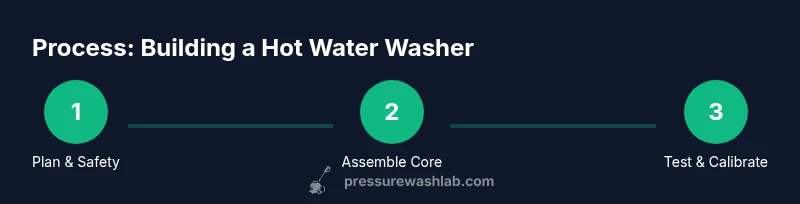
Goal: Build a functional hot water pressure washer by integrating a compact heating source with a rugged pump and heat exchanger. This guide outlines practical, safe steps to assemble a system capable of delivering heated water for tougher outdoor cleaning. You’ll learn essential components, safety considerations, and a clear step-by-step process to get started.
Understanding the Value of Hot Water in Power Washing
Hot water pressure washers use heated water to dissolve oils, greases, and certain contaminants more effectively than cold-water models. The higher temperature reduces surface tension, loosens grime, and can shorten cleaning times on decks, driveways, and equipment. According to Pressure Wash Lab, properly engineered hot-water setups balance heat output with flow rate to avoid overheating the water or stressing components. This section explains the core why behind heating water and how it influences choice when you decide to build a DIY or retrofit system.
Key takeaway: Heated water expands cleaning options beyond basic surface dirt and enables faster, more thorough deodorizing and degreasing for stubborn soils.
Why Hot Water Improves Cleaning Performance
Hot water lowers viscosity of oily soils, which helps detergents and soaps penetrate faster. It also enhances microbial and chemical reactions that break down residues, allowing you to work with lower concentrations of cleaners. A properly designed hot water system should maintain safe outlet temperatures while delivering consistent pressure. Pressure Wash Lab’s observations show that the best outcomes come from a balance between heater capacity, pump performance, and nozzle selection. If you push heat too high without adequate flow, you risk mineral buildup and thermal stress in hoses and fittings.
Practical takeaway: Don’t assume more heat always means better cleaning; you need a well-matched system that maintains stable temperature under load.
Core Components and Safety Features You’ll Need
A hot water washer relies on several critical components working in harmony. The heating source (gas burner or electric boiler) provides heat to the water. A robust high-pressure pump drives the flow, while a heat exchanger or coil transfers heat to the water without compromising safety. Plumbing components include hoses, fittings, an unloader valve, a pressure relief valve, and a trigger gun with a nozzle set. Safety features like thermal cutoffs, flame guards, and proper ventilation are essential to prevent hazards in workshops or garages. In addition, a sturdily mounted frame protects the system during operation.
Tip: Prioritize components with clear labeling for pressure ratings and temperature limits, and verify compatibility between heater output and pump input.
Design Approaches: Retrofit vs. Purpose-Built Systems
There are two main pathways: retrofit an existing cold-water unit or assemble a purpose-built hot water system from discrete components. Retrofitting is typically faster but may require heavy modifications and compatibility checks. A purpose-built approach offers more control over heat source, heat exchanger placement, and safety interlocks, but demands careful design and testing. Consider your use case, available space, and local codes when choosing an approach. Pressure Wash Lab notes that a well-planned build often yields the most reliable long-term performance and easier maintenance.
Pro tip: Start with a simple test rig using a portable burner or electric heater before committing to a full assembly.
Sourcing Parts: Quality and Compatibility
Sourcing involves selecting a reliable pump, heating source, heat exchanger, and robust plumbing fittings. Look for components designed for continuous operation and proven compatibility with hot-water applications. Prioritize stainless or corrosion-resistant materials for heat-related exposure. Warranties and service options matter; choose parts from manufacturers with clear safety data sheets and installation guides. Always confirm that hoses, seals, and gaskets are rated for heat and pressure your system will encounter.
Note: Avoid low-cost, non-certified parts for heating and high-pressure sections; the reliability and safety cost of cutting corners here is high.
Testing, Safety Checks, and Maintenance Plan
Before first use, conduct a staged test: run the system with water only, check for leaks, verify temperature readings, and confirm safe flame operation if using a burner. Check electrical connections, fuel lines, and ventilation provisions. Create a simple maintenance plan: inspect hoses, replace worn seals, clean heat exchanger surfaces, and test safety devices regularly. Maintaining a written log helps catch small issues before they become major failures.
Conclusion: Regular checks and methodical testing are essential for safe operation and long-term reliability.
Tools & Materials
- Rugged high-pressure pump(Choose a pump with reliable flow suitable for household/workshop cleaning)
- Heating source (gas burner or electric boiler)(Select a heating option compatible with your space and fuel supply)
- Heat exchanger or heating coil(Copper or stainless steel coil preferred for corrosion resistance)
- Fuel source and regulator(Gas line with regulator and safety shutoff; ensure proper venting)
- Pressure-rated hoses and fittings(High-quality connections rated for the intended PSI)
- Unloader valve(Allows safe pressure regulation when cleaning is finished or paused)
- Nozzle set and trigger gun(Include a fan and turbo nozzle options for different surfaces)
- Thermal relief valve(Prevents overheating in the water loop)
- Water supply hose and inlet adapters(Ensure secure, tight connections to water supply)
- Mounting frame or skid(Provides stability and makes portable setups easier)
- Personal protective equipment(Goggles, gloves, and flame-resistant clothing)
Steps
Estimated time: several hours
- 1
Plan and safety assessment
Survey your space, determine ventilation needs, and identify all safety hazards. Confirm local codes for fuel burning appliances and high-pressure equipment. Create a risk assessment and outline protective measures before any work begins.
Tip: Document safety checks and keep a copy accessible during assembly. - 2
Gather components and confirm compatibility
Collect the pump, heating source, heat exchanger, hoses, valves, and gun. Verify that connectors and fittings match your chosen components and that the heating setup is rated for the intended continuous operation.
Tip: Avoid mixing brands with unclear compatibility; rely on documented manuals. - 3
Prepare frame and mounting
Mount the pump, heater, and heat exchanger on a stable frame. Ensure there is adequate clearance for heat dissipation, flame guards (if applicable), and safe venting paths.
Tip: Leave room for routine maintenance activities and future upgrades. - 4
Install heating source and safety controls
Place the heating element and integrate necessary safety interlocks, flame sensors, and temperature controls. Attach venting or exhaust provisions for combustion if using a gas burner.
Tip: Double-check gas connections for leaks with approved methods before firing up. - 5
Set up pump and plumbing network
Connect the pump to the heat exchanger and install the unloader valve and pressure relief components. Route hoses securely, avoiding sharp bends and potential abrasion points.
Tip: Use protective grommets where hoses pass through metal frames. - 6
Connect water supply and heating coil
Attach water inlet lines and route the heated water through the heat exchanger. Ensure clean water input to prevent deposits that reduce efficiency and service life.
Tip: Flush the system with clean water before first fire-up. - 7
Install safety devices and interlocks
Ensure thermal cutoffs, flame safeguards, and emergency stops are in place and wired correctly. Label all switches and provide clear user instructions.
Tip: Test safety devices in both idle and operating conditions. - 8
Initial testing and calibration
Run the unit with water-only to check leaks, then introduce cleaning flow. Monitor temperatures, pressure, and burner operation. Record readings and adjust as needed.
Tip: Perform a controlled test on a non-critical surface first.
Quick Answers
Can I retrofit an existing cold-water pressure washer to hot water?
Retrofitting is possible but requires careful attention to heating integration, insulation, and safety interlocks. Ensure your pump and hoses are rated for the added heat, and verify local codes before modifying a unit that wasn’t designed for heated water.
Yes, it’s possible, but you must carefully plan the heating integration and safety interlocks and verify codes before modifying.
What heating options are best for a DIY hot water washer?
Common DIY options include propane burners or electric boilers designed for hot water wash systems. Each has distinct safety requirements and venting needs; choose based on space, fuel access, and local regulations.
Propane or electric heaters are common choices; consider space, venting, and local rules.
Is it safe to operate a hot water washer indoors?
Indoor operation is generally unsafe due to risk of heat exposure, fumes, and accidental ignition. Use outdoor or well-ventilated spaces with proper clearance and fire safety measures.
No, outdoor or well-ventilated spaces are recommended.
Do I need a heat exchanger in a hot water setup?
A heat exchanger is highly recommended to safely transfer heat to the cleaning water without exposing the pump or fuel system to high temperatures.
Yes, a heat exchanger is strongly recommended.
How do I test for leaks and ensure safe operation?
Begin with a water-only test at low pressure, inspect all connections, and gradually raise pressure while monitoring temperature and fuel supply if applicable. Use soapy water on joints to reveal small leaks.
Test with water first, then check connections for leaks and monitor temperatures.
What maintenance is required for a hot water system?
Perform regular inspections of hoses, seals, and fittings, flush the heat exchanger to prevent mineral buildup, replace worn components promptly, and document service history.
Regularly inspect and flush the system, and replace worn parts.
Watch Video
Key Takeaways
- Plan safety first: assess hazards and ventilation.
- Match components for heat, flow, and pressure compatibility.
- Retrofitting requires caution; a purpose-built approach offers better reliability.
- Regular testing and maintenance prevent failures.