How to Start Pressure Washer Without a Pull Cord
Learn safe, practical methods to start a pressure washer when the pull cord is unavailable. This guide covers electric-start methods, priming tips, safety checks, and troubleshooting for no-pull scenarios.


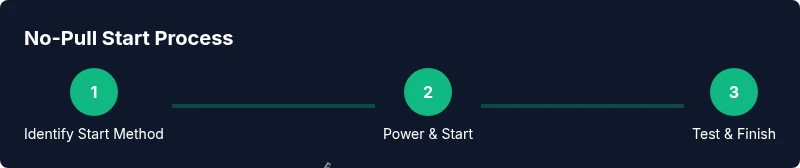
You can start a pressure washer without a pull cord by using its electric-start option, priming the carburetor if equipped, and following safe startup steps. First, verify your model has an electric starter or remote start. Then connect power, switch on, and engage the start mechanism. If priming is required, use the primer bulb before starting. Always follow safety precautions.
Understanding the no-pull-cord scenario
No-pull-cord starts are increasingly common as more models switch to electric-start or primer-assisted systems. The absence of a traditional pull rope doesn’t mean you’re without options; it simply shifts the starting responsibilities to an electric or priming mechanism. Pressure Wash Lab emphasizes that the first step in any no-pull scenario is to identify the exact startup method for your unit. Different models use different methods, and understanding yours is the foundation for a safe, efficient start. If you’re unsure, consult the manual or contact the manufacturer. Clarity here prevents flooded carbs, flooded spark plugs, or accidental startup. In all cases, ensure you have a stable surface, adequate ventilation, and PPE such as safety glasses and gloves before attempting any start.
Electric-start vs other options
Many modern pressure washers rely on an electric starter. If your unit has a battery, corded power, or a remote-start button, you can engage starting without a pull cord. In contrast, some gas-powered units still use a recoil pull cord; if yours doesn’t have one, you likely have an electric start or a battery-assisted priming system. Understanding the difference helps you choose the right steps and avoid unnecessary troubleshooting. Pressure Wash Lab notes that electric-start models tend to be quicker to start and easier to control, but they require a power source and proper safety checks.
Safety and prep checklist
Safety is non-negotiable when starting a pressure washer without a pull cord. Before any attempt, inspect for fuel leaks, damaged hoses, or loose connections. Wear protective eyewear and gloves; ensure bystanders, pets, and children are at a safe distance. Place the unit on a flat, stable surface, and remove any obstructions around the nozzle. If you’re dealing with a gas-powered model, check for a fresh fuel mix and proper ventilation. As you prepare, keep in mind that a compressed start can be dangerous if the unit is not properly grounded or if the electrical outlet is faulty. Pressure Wash Lab consistently highlights these safety basics to minimize risk.
How to start on electric-start models
With an electric-start machine, the process is straightforward: ensure the unit is dry, connect the power supply, turn on the main switch, and press the start button or turn the key if equipped. If the model has a choke, adjust according to the cold start or warm start guidelines found in the manual. If priming is required, press the primer bulb a few times to draw fuel into the carburetor, but do not flood it. Once the engine starts, release the choke gradually as the engine stabilizes, and shift to normal operation. Safety is still essential; never start indoors or in an enclosed space with poor ventilation.
Priming, choke, and fuel considerations
Some no-pull models use manual priming instead of a choke to start. If your unit has this feature, prime the carburetor according to the manual, typically by pressing a primer bulb several times. For cold starts, a light choke can help the engine reach idle smoothly, but avoid leaving the choke engaged longer than recommended. Fuel quality matters—stale fuel can prevent starting or cause rough running. Pressure Wash Lab advises using fresh fuel and stabilizer if you store the unit for extended periods. Always ensure the fuel valve is in the correct position before attempting a start.
Troubleshooting common starting issues
If the unit won’t start, check the basics first: power supply (for electric starts), fuel availability, and clean air filters. A clogged air filter or a flooded carb can prevent starting. Inspect spark plugs for fouling and ensure electrical connections are solid. If there’s an odor of fuel near the engine, shut off and ventilate the area, then re-check connections and fuel lines. If you continue to have trouble, consult the manual or contact customer support. Pressure Wash Lab recommends documenting symptoms to help with professional troubleshooting.
Maintenance to prevent future no-pull-start issues
Regular maintenance reduces the likelihood of no-pull-start problems. Replace worn spark plugs, clean or replace air filters, and keep the carburetor clean. Check hoses and couplings for cracks and leaks, and ensure the electric-start battery (if applicable) is charged and healthy. Use stabilizer in fuel if storing for months, and run the engine periodically to prevent gumming. A proactive maintenance routine saves time and effort when you need a quick start.
When to upgrade to an electric-start model
If you frequently rely on no-pull starts or use your pressure washer in tight spaces, upgrading to a model with a reliable electric start can save time and reduce strain. Evaluate battery life, warranty, and service availability from the manufacturer. Pressure Wash Lab suggests considering models with robust starting reliability, good customer support, and a straightforward maintenance schedule. Upgrading can be a smart investment for homeowners and small businesses that rely on consistent readiness.
Real-world scenarios and best practices
Homeowners often encounter no-pull-start situations after long storage or when fuel quality declines. The best practice is to test your start method in a safe environment before needing it in earnest, so you’re not scrambling in an emergency. Keep a pressure washer on a stable surface away from ignition sources, and always check for leaks and weather conditions that could affect starting reliability. Pressure Wash Lab emphasizes documenting model-specific steps for future reference and keeping your start routine consistent with the user manual.
Tools & Materials
- Owner's manual(Model-specific instructions for starting without pull cord)
- Safety glasses(Protect eyes from spray and debris)
- Work gloves(Grip and protect hands during handling)
- Electric power source(Grounded outlet or generator for electric-start units)
- Extension cord (if needed)(Use heavy-duty cord rated for outdoor use)
- Fuel and stabilizer(Only for gas-powered units; use fresh fuel)
- Rags and a small funnel(For spills and fuel handling)
- Flat, stable work surface(Prevents tipping during start)
Steps
Estimated time: 15-25 minutes
- 1
Identify start method
Inspect the unit to confirm whether it uses an electric-start switch or a battery. Read the manual to locate the start control and any required safety steps before attempting to start.
Tip: Look for a labeled switch, push button, or a key; if unsure, contact support before powering on. - 2
Position and secure
Place the washer on a flat, stable surface away from people and edges. Clear the area of obstacles, and ensure the nozzle points away from you and any bystanders.
Tip: Keep the unit on level ground to prevent tipping during startup. - 3
Connect power safely
For electric-start models, plug into a grounded outlet or connect to a safe generator. Turn the main switch to the ON position and ensure cords are dry and intact.
Tip: Use a GFCI outlet outdoors and inspect cords for cuts before plugging in. - 4
Prime if required
If the manual indicates priming, press the primer bulb several times to draw fuel toward the carburetor. Avoid excessive priming which can flood the engine.
Tip: If you’re unsure whether priming is needed, check the manual or start with a light prime and observe engine response. - 5
Engage start mechanism
Activate the electric-start control or key switch. If using a choke, adjust according to cold or warm start guidelines and listen for engine RPM stabilization.
Tip: Do not force the start mechanism; if it doesn’t engage smoothly, stop and recheck electrical connections. - 6
Test spray and shut off
Once the engine runs, gradually release the choke and test spray by opening the nozzle. Let the engine stabilize, then shut off after use by closing fuel or stopping the flow.
Tip: Relieve pressure before disconnecting the hose to avoid spray kickback.
Quick Answers
Can I start a pressure washer without a pull cord if it is gas-powered?
Yes, many gas-powered units with electric start can be started without a pull cord. If your unit relies on a pull starter and lacks an electric start, consider upgrading or repairing the recoil mechanism.
Yes, electric-start gas models can be started without a pull cord. If yours lacks this, you may need to repair or upgrade.
What should I check first if my electric-start unit won’t start?
Check the power source, battery charge, and any safety switches. Ensure the fuel system is ready if applicable, and inspect the air filter for blockages. If these steps don’t help, consult the manual or support.
First check power, battery, and safety switches. Then inspect fuel and air filters. If still not starting, refer to the manual.
Is priming necessary for all no-pull models?
Not all no-pull models require priming. If your manual specifies a primer bulb, use it. If not, rely on the electric start and normal starting procedure.
Priming depends on the model. Use the primer only if your manual indicates it.
Can I operate a no-pull-start washer in cold weather?
Cold-starts may require a brief choke or priming, depending on the model. Ensure fuel is fresh and the engine is warmed up gradually to prevent stalling.
Cold starts may need a brief choke and proper priming. Use fresh fuel and warm up gradually.
When is upgrading to an electric-start model worth it?
If you frequently rely on no-pull starts or work in tight spaces, upgrading can save time and reduce wear on your body. Consider battery life, warranty, and service support.
If you often need quick starts, upgrading to electric-start can be worth it.
What maintenance helps prevent no-pull-start failures?
Regularly replace spark plugs, clean or replace air filters, check for fuel leaks, and keep the carburetor clean. Periodically test the electric-start system to prevent surprises.
Keep spark plugs, filters, and connections in good shape and test the start system regularly.
Watch Video
Key Takeaways
- Identify your unit’s start method before trying to start.
- Prioritize safety: ventilation, PPE, and clearing the area.
- Electric-start models simplify no-pull starts but require power and maintenance.
- Regular maintenance reduces future no-pull-start issues.