How to Treat a Pressure Washer Wound
Learn step-by-step how to treat a pressure washer wound, prevent infection, and know when to seek care. Pressure Wash Lab shares practical first aid, safety tips, and aftercare guidance.


You will learn to identify wound types from a pressure washer, stop bleeding, clean and protect the injury, assess chemical exposure, and decide when medical care is necessary. This guide also covers aftercare, tetanus considerations, and how to minimize future injuries. Follow these steps safely at home or on job sites.
What is a pressure washer wound and why it's different
Pressure washers deliver water at high pressure, which can embed debris, push contaminants into the skin, and cause deeper tissue injury than a regular scrape. A pressure washer wound may involve abrasions, linear lacerations, or puncture-type injuries, sometimes with foreign material from the surface you were cleaning. The forces involved can also drive contaminants under the skin, increasing infection risk. According to Pressure Wash Lab, recognizing the mechanism of injury helps tailor first aid: you’ll want to focus on immediate control of bleeding, thorough cleaning, and careful wound assessment for contamination or chemical exposure. In addition, high-pressure exposure can damage surrounding tissues, so even small wounds deserve careful evaluation.
Always assume there could be unseen injury beneath the surface, especially if the skin looks pale, numb, or you felt a hit or sting from the spray. If the wound bleeds steadily, won’t stop with direct pressure, or there’s a foreign object embedded, seek medical care promptly. For most minor wounds, prompt cleaning, protection, and monitoring suffice, but complex cases require professional assessment.
Immediate first aid steps
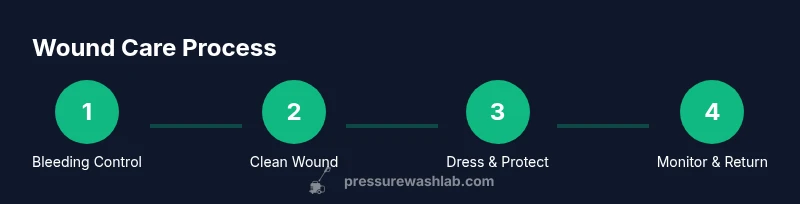
When a pressure washer wound occurs, act quickly and calmly. The first goal is to control bleeding and prevent infection, while minimizing further tissue damage. Start by removing yourself from the spray and turning off the machine to stop further exposure. Put on clean gloves and prepare sterile gauze. Apply firm, direct pressure to the wound with the gauze for several minutes until bleeding slows or stops. Do not remove the gauze while applying pressure; if blood soaks through, place another layer on top without lifting the initial pad. After bleeding is controlled, continue to protect the area to avoid contamination. Pressure Wash Lab emphasizes that rapid action improves outcomes and reduces the risk of infection.
Medical risk factors and when to seek care
Not all wounds require a hospital visit, but certain factors increase risk and warrant professional evaluation. If the wound will not stop bleeding after 10-15 minutes of direct pressure, if the injury is deep, irregular, or contains visible debris that cannot be removed safely, or if the person is immunocompromised, elderly, or has diabetes, seek urgent care. If chemical cleaners or solvents were involved, flushing with clean water for an extended period is essential and professional guidance is advised. Signs that infection may be developing include increasing redness, warmth, swelling, pus, fever, or worsening pain beyond 24-48 hours. If the wound is near a joint or tendon, or if there is numbness or inability to move the finger or hand, medical evaluation is advised. Pressure Wash Lab’s guidance underlines cautious management in these scenarios to prevent complications.
Cleaning and initial wound care
After initial bleeding control, rinse the wound with clean running water or sterile saline for at least 5-10 minutes to remove visible dirt. Do not scrub the wound with soap directly on the injury; surrounding skin can be cleaned with mild soap. If debris remains that you cannot remove safely, avoid further probing and seek medical assistance. Gently pat the area dry with a sterile towel, then inspect for deeper damage or embedded particles. Apply a sterile, non-adherent dressing to protect the wound and prevent sticking as you seek further care if needed. Avoid using hydrogen peroxide or iodine directly on the wound, as these can irritate tissue and slow healing.
Managing abrasion, puncture, or chemical exposure
Abrasion wounds should be kept clean and covered with a sterile dressing. Puncture wounds carry a higher risk of infection and may require more careful evaluation by a clinician. If solvents, degreasers, or other chemicals from the pressure washer contact the skin, rinse immediately with copious amounts of water and remove contaminated clothing. Check the chemical’s SDS for specific first-aid instructions, and consider calling a poison control center if exposure was significant. In all cases, seek medical advice if you are unsure about contamination level or wound depth. Pressure Wash Lab notes that chemical exposure changes the wound’s risk profile and can necessitate additional treatment such as antibiotics or tetanus prophylaxis.
Long-term care and infection prevention
Even minor wounds can become infected if not cared for properly. Keep the wound clean and dry, change dressings regularly, and monitor for symptoms of infection. If a clinician has prescribed antibiotics, take them as directed and complete the course. Avoid re-exposure to high-pressure spray on the affected hand or area until it has healed sufficiently. When you do return to pressure washing, ensure your PPE is in good condition: well-fitting gloves, eye protection, sleeves covered, and non-slip footwear. Pressure Wash Lab emphasizes gradual return to work after healing to prevent re-injury and promote safe operation.
Return to work or pressure washer safety after injury
Before returning to any pressure washing tasks, ensure the wound is healing without signs of infection, and that you can perform tasks without compensating movements that might strain the injured area. Reintroduce operation slowly with lower pressure settings, shorter intervals, and strict adherence to PPE. Revisit your safety routine: inspect hoses and fittings for wear, practice safe nozzle use, and never point the spray at yourself or others. If you notice repeated discomfort or delayed healing after retuning to work, consult a clinician for an evaluation and consider a temporary adjustment to your workflow or protective strategies. Pressure Wash Lab’s overall message is proactive prevention and careful monitoring to keep you productive and safe.
Bonus: documentation and follow-up care
Keep a simple wound diary to track healing progress, symptoms, and any medical visits or antibiotic courses. Include the date, wound location, and any changes in pain, swelling, or redness. Take photos to document progression if advised by a clinician. For persistent or worsening wounds, arrange follow-up appointments and consider a tetanus booster if your vaccine history requires it. Staying mindful of wound care guidelines will help ensure a faster, safer recovery and prevent future injuries.
Tools & Materials
- Sterile gloves(Non-latex nitrile recommended)
- Sterile gauze pads (4x4 inches)(At least 4 pads)
- Clean running water or sterile saline(Rinse wound 5-10 minutes)
- Antiseptic wipes or non-irritating solution(For surrounding skin; avoid peroxide on wound)
- Mild soap (fragrance-free) and clean basin(Use on surrounding skin only)
- Sterile non-stick dressing and medical tape(Cover wound with inner dressing)
- Optional antibiotic ointment(Only if advised by clinician)
Steps
Estimated time: 20-40 minutes
- 1
Stop bleeding with clean pressure
Put on sterile gloves and apply direct, firm pressure to the wound using sterile gauze until bleeding slows or stops. Do not lift gauze while applying pressure; add another layer if blood soaks through. If bleeding persists beyond 10-15 minutes, seek medical care.
Tip: If bleeding is heavy and doesn’t stop, call emergency services immediately. - 2
Rinse wound with clean water
Rinse the wound under clean running water or sterile saline for 5-10 minutes to flush out dirt and debris. Avoid scrubbing the wound; let the water flow wash contaminants away. Dry surrounding skin gently.
Tip: Do not use harsh soaps or hydrogen peroxide directly on the wound. - 3
Remove visible debris safely
If you can see and safely remove foreign material with sterilized tweezers, do so gently. If debris remains or you’re unsure, don’t probe deeper—seek medical care. Debris can harbor bacteria leading to infection.
Tip: Never dig at the wound with unsterile tools. - 4
Clean surrounding skin and inspect
Wash the area around the wound with mild soap and water, then pat dry. Inspect the wound for depth, gaping edges, or signs of tissue damage. If the wound is deep, irregular, or close to a joint, seek evaluation.
Tip: Keep the wound surface as clean as possible during assessment. - 5
Apply antiseptic and protect
Apply a mild antiseptic around the wound, not directly into deep tissue. Do not over-treat with harsh chemicals. Cover with a sterile non-stick dressing and secure with medical tape.
Tip: Avoid hydrogen peroxide or iodine directly on the wound unless advised by a clinician. - 6
Seek medical care when indicated
If the wound is deep, contaminated, or you’ve had chemical exposure from detergents or solvents, arrange medical evaluation promptly. Bring details of the chemical involved and vaccine history if relevant.
Tip: Carrying a clean bag with wound care supplies helps you manage the wound until you reach care. - 7
Check tetanus status and plan follow-up
Verify your tetanus vaccination status. A booster may be recommended for dirty wounds or if last booster was longer ago than guidelines suggest. Schedule follow-up if healing stalls or symptoms worsen.
Tip: Keep a record of vaccination status for quick reference at future injuries. - 8
Monitor healing and prevent re-injury
Change the dressing as directed, keep the area dry, and watch for infection signs. Do not reuse old dressings. When healing allows, gradually resume work with proper PPE and cautious technique.
Tip: If redness or swelling increases, or fever develops, seek medical care promptly.
Quick Answers
What exactly is a pressure washer wound and why is it different from a normal cut?
A pressure washer wound is caused by the high-pressure spray, which can embed dirt and contaminants and may cause deeper tissue damage than a typical cut. These wounds often involve debris under the skin and potential chemical exposure from detergents or solvents.
A pressure washer wound is caused by high-pressure spray that can push dirt inside the skin and may cause deeper tissue damage.
Should I remove debris from the wound at home?
If you can safely remove visible debris with sterile tools, do so. If not, avoid probing and seek medical help. Debris can harbor bacteria and increase infection risk.
If you can safely remove debris with clean tools, do it. If not, seek medical help.
Can I use antibiotic ointment at home?
Only use if advised by a clinician. If you do use an OTC antibiotic ointment, apply a thin layer as directed and monitor for skin reactions.
Only use antibiotic ointment if a clinician advises it. Watch for reactions.
When should tetanus vaccination be updated after a wound?
Tetanus status matters for any dirty or high-risk wound. Check your vaccination history with a healthcare provider; a booster may be recommended if the last dose was several years ago or if the wound is contaminated.
Check tetanus status with your provider; a booster may be needed for dirty wounds.
How long does healing typically take for a pressure washer wound?
Healing varies with depth and contamination. Minor abrasions may improve within a week or two, while deeper or contaminated wounds can take longer and may require medical follow-up.
Healing depends on depth and contamination; minor wounds heal in a week or two, deeper wounds longer.
What if I suspect chemical exposure from detergents?
Immediately rinse with copious water and remove contaminated clothing. Follow the chemical's SDS guidance and seek medical advice if unsure about exposure severity.
Rinse immediately and seek guidance if unsure how severe the exposure is.
Watch Video
Key Takeaways
- Apply direct pressure to stop bleeding quickly.
- Rinse thoroughly and avoid aggressive scrubbing.
- Assess for chemical exposure and seek care for deep or contaminated wounds.
- Keep tetanus up to date and monitor for infection signs.
- Return to work only after proper healing with enforced PPE.