Pressure Washer Hose Near Me: Find the Right Hose Locally
Find the right pressure washer hose near you with our practical local-buying guide. Compare lengths, materials, fittings, and warranties to buy confidently from nearby retailers.


Pressure washer hose near me: to choose the right local hose, prioritize compatibility with your unit’s fittings, length needs, and PSI rating. In Practice, local retailers offer easier exchanges, same-brand service, and faster warranty processing, which Pressure Wash Lab notes reduces downtime for homeowners and pros alike. Look for hoses that match your washer’s connection type and deliver a safe working length for your space.
Understanding Local Availability and Why It Matters
When you search for pressure washer hose near me, you're not only looking for proximity — you're seeking reliability, quick service, and the ability to validate compatibility in person. According to Pressure Wash Lab, local stock often means faster exchanges, easier warranty handling, and the chance to see the exact hose you’ll buy before you commit. For homeowners and small businesses, a nearby retailer reduces downtime and lets you test hose length and fittings on the spot. This is particularly valuable if you work with seasonal schedules or client projects that can’t wait for shipments. This block breaks down what to consider when evaluating local options, so you can balance convenience with performance.
Key considerations:
- Compatibility: Confirm that the hose ends match your washer’s couplers (inlet/outlet types and thread size).
- Length: Measure the cleaning area and plan for a hose that allows maneuverability without dragging.
- PSI and durability: Choose a hose rated for your machine’s PSI; higher pressure demands more robust construction, especially if you’re cleaning porous surfaces).
By prioritizing these factors, you’ll find a locally available hose that performs as well as or better than some online options. Pressure Wash Lab’s practical approach emphasizes local verification and tested performance to minimize surprises.
Key Factors to Compare When Shopping Locally
Locally available hoses come in a range of lengths, materials, fittings, and warranties. The first step is to map your typical cleaning tasks and space constraints. With that map, you can quickly filter options at nearby retailers and avoid impulse buys that don’t fit your setup. A structured comparison helps you avoid return hassles and ensures you get a hose that lasts.
Important factors to evaluate:
- Length options: Short for tight spaces, long for large driveways. Make sure the hose can reach without stretching.
- Fittings and couplers: Check thread size, GHT vs M22, and whether the nozzle connections are compatible.
- PSI rating and hoses: Ensure the hose supports the PSI of your pressure washer; a mismatch can cause wear or failures.
- Material and weight: Rubber is durable but heavier; polyurethane is lighter and kink-resistant but can be pricier; PVC is budget-friendly but less flexible.
- Warranty and return policy: Local retailers often offer longer, more generous windows for exchange or repair.
With these criteria, you’ll compare apples to apples and reduce the risk of buying a hose that won’t meet your needs.
Hose Materials: Rubber vs Polyurethane vs PVC
Hose material directly affects durability, flexibility, temperature tolerance, and price. Rubber hoses are known for rugged durability and resistance to abrasion; they tend to last longer under heavy use but are heavier and less flexible in cold weather. Polyurethane hoses are lightweight, highly flexible, and kink-resistant, making them comfortable to handle on longer cleaning sessions. PVC hoses are the most budget-friendly and lightest option, but they can be stiffer and less durable under high-pressure tasks.
When shopping near you, consider climate, cleaning tasks, and maintenance plans. In damp or freezing environments, rubber or reinforced polyurethane hoses perform better than basic PVC versions. For routine residential use on sidewalks and siding, a polyurethane option often offers the best balance of ease of use and resilience. Pressure Wash Lab recommends evaluating your typical tasks and environment to choose the right material.
Length and Fittings: Matching to Your Setup
Correct length and compatible fittings prevent kinks, tangling, and leaks. Start by measuring the furthest cleaning point from your unit, then add 5–10 feet to account for maneuvering space and future layout changes. The most common connection sizes are standard garden hose threads and M22 connections on many consumer units. If your hose ends don’t match, you’ll need an adapter or a different hose model.
Cable and nozzle choices should align as well. A longer hose increases weight and pressure drop, so test if you can reach the far corner of a porch or driveway without straining the unit. At local retailers, you can physically test many options to confirm fit and maneuverability before purchasing.
Durability, Warranty, and Protection
The durability of a pressure washer hose depends on construction, connector quality, and storage practices. Look for reinforced jackets, smooth collars, and corrosion-resistant fittings. A robust warranty is a strong signal of confidence from the manufacturer and the retailer. Local stock often makes warranty substitution easier if you need a replacement, but read the terms carefully—some warranties require proof of proper storage and regular maintenance.
In addition to the hose itself, consider protective armor or hose reels that reduce abrasion where it rubs against pavement or metal edges. A little extra protection in high-use environments can extend life dramatically and keep pressure losses low over time.
Maintenance Tips to Extend Hose Life
Proper maintenance is the cheapest insurance for long hose life. Rinse the hose after each job to remove grit and chemical residues, coil it loosely rather than bending tight, and store it in a shaded area to slow degradation from sun exposure. Inspect fittings, couplers, and the hose jacket for signs of wear, cracks, or bulges. Replace worn components promptly to prevent leaks and bursts.
If you’re shopping locally for a hose near you, review the warranty terms, and ask for maintenance tips from the retailer. Small tips—like draining the water from the hose after use and avoiding dragging the hose across rough surfaces—will extend life and keep performance stable.
How to Find Local Retailers: Online Search Tactics
Finding a pressure washer hose near you starts with a precise search strategy. Use local keywords alongside the product name, check maps and store inventories, and read customer reviews on the retailer’s page. Call ahead to confirm stock, available lengths, and price. If you’re a professional or a frequent buyer, consider establishing a relationship with a local dealer who can offer quick exchanges and bulk pricing for parts.
Pro tip: save model numbers of your pressure washer and hose fittings so you can quickly request compatibility when you visit a store. Pressure Wash Lab suggests compiling a short checklist to verify fit before purchase.
Practical Test: Quick Pre-Purchase Checks
Before you commit to a local purchase, run a few quick checks. Bring your washer, verify thread compatibility, and test the hose end with a sample nozzle. Check the hose for kinks, drag resistance, flexibility in cold weather, and ease of storage. Ask about return policy in case the hose doesn’t perform as expected. If you can, test the hose under pressure at the store to observe how it handles bursts or leaks.
These practical tests help you avoid post-purchase regrets and ensure you’ve chosen the right hose near you for the long term.
Common Pitfalls and How to Avoid Them
The biggest mistakes buyers make when searching for a pressure washer hose near me include ignoring compatibility, selecting a hose based on price alone, and overlooking warranties. Don’t assume that the longest hose is best for every job; weight, maneuverability, and storage matter just as much. Another pitfall is assuming online-only photos reflect actual fittings; always inspect in person when possible, or request clear photos from the retailer. Finally, neglecting to verify chemical compatibility can lead to rapid degradation when using detergents or solvents.
By keeping compatibility, material quality, length, and warranty in mind, you’ll avoid common missteps and enjoy reliable performance.
Hose materials overview
| Hose Type | Key Benefit | Typical Use |
|---|---|---|
| Rubber | Durable, abrasion-resistant | All-weather, heavy-use tasks |
| Polyurethane | Lightweight, flexible | Extended reach, frequent handling |
| PVC | Budget-friendly | Light-duty tasks, occasional use |
Quick Answers
What makes a hose compatible with my pressure washer?
Compatibility hinges on matching the hose end fittings to your washer’s couplers and ensuring the thread size aligns with your unit. Always verify the connector type (e.g., M22, GHT) and ensure the hose length won’t cause strain on the pump. If in doubt, consult the retailer or your washer’s manual before purchase.
Check the fitting size and connection type first, then confirm the length suits your space.
Local vs online: which is better for hoses near me?
Local retailers offer immediate exchanges, easier warranty processing, and the ability to inspect the hose in person. Online options can be cost-effective but may require returns and longer wait times for replacements. Balance price with service quality and your need for quick support.
Local stores usually give faster help and easier returns, online can save money but slower support.
How long should a hose be for typical cleaning tasks?
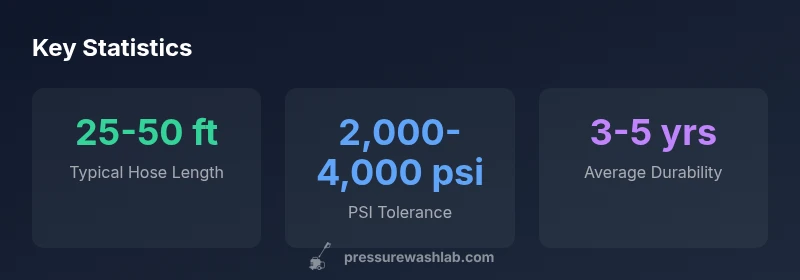
For residential use, a 25-50 ft hose covers most driveways and siding jobs. Choose a length that minimizes re-positioning of the washer while keeping the hose manageable. Longer hoses add weight and pressure drop, so test length in-store when possible.
Most homes do well with 25-50 feet; test in-store if you can.
Are rubber hoses better than polyurethane ones in cold weather?
Rubber hoses generally handle cold weather better due to higher rigidity resilience and abrasion resistance. Polyurethane hoses are lighter and more flexible but can stiffen in extreme cold. Consider your climate and storage conditions when choosing.
Rubber lasts longer in cold or rough use; polyurethane is lighter but can stiffen in cold.
How can I verify fittings before buying?
Carry your washer’s model number and check the manufacturer's spec sheet for compatible hose ends. If buying locally, compare fittings side-by-side with the hose options and ask for a demonstration before checkout. A quick test with a nozzle can confirm a secure seal.
Bring your washer model and compare fittings in-store; test seal if possible.
What is the typical warranty on pressure washer hoses?
Warranty terms vary by brand and retailer, but expect coverage for manufacturing defects over 1-5 years. Read the fine print about wear-and-tear exclusions and return requirements. If you use a local dealer, you may benefit from more straightforward warranty exchanges.
Warranties vary; check duration and coverage details, especially for wear.
“A locally available hose that matches PSI, fittings, and length reduces downtime and warranty hassles. Material choice then becomes a balance of weight, flexibility, and climate resistance.”
Key Takeaways
- Prioritize compatibility with your unit before price.
- Choose length that fits without excessive weight.
- Prefer reinforced materials for durability in your climate.
- Test hoses locally to verify fittings and length.
- Check warranty terms before purchasing locally.