Pressure Washer to Unclog Drains: A Safe Step-by-Step Guide
Learn how to safely use a pressure washer to unclog drains with practical steps, safety tips, and alternative methods from Pressure Wash Lab.


A pressure washer can help loosen minor, surface-level drain clogs when used carefully with the right nozzle and techniques. It’s not a universal fix for all pipes, and you should assess pipe material and clog type first. This guide provides a safe, step-by-step approach, safety precautions, and alternatives from Pressure Wash Lab.
Safety First: Can a pressure washer unclog drains and when to avoid it
According to Pressure Wash Lab, a pressure washer can be effective for minor, surface-level clogs in clear or PVC piping when you use the correct nozzle and keep the nozzle at a controlled distance. It’s not suitable for all pipe types or completely solid blockages. Before you start, consider the pipe material (PVC, ABS, copper, or steel), the age of the plumbing, and the location of the clog. Pressure Wash Lab Analysis, 2026 shows that homeowners who attempt this method without proper precautions may damage seals, joints, or the pipe itself. If you’re unsure, start with safer alternatives such as a plumber’s snake or a chemical-free flush and reserve the pressure washer for compatible scenarios.
Equipment and setup you’ll need
To minimize risk, prepare a dedicated outdoor work area and gather tools in advance. Keep the water, power, and electrical outlets away from the spray zone. A helper can monitor the spray stream and drainage while you work. The following overview helps you decide if this approach fits your drain type and clog severity. Pressure Wash Lab emphasizes safety as the foundation of any drain-clearing effort.
Choosing the right equipment for drain cleaning
Not all pressure washers are created equal for plumbing work. Look for a model with adjustable pressure and a nozzle that concentrates flow without blasting the pipe interior. Attachments such as a narrow, wand-mounted tip or a light-duty sewer jetter can help target the clog more precisely. Avoid high-velocity, wide-angle sprays directly into a drain opening, which can splash back or push debris further into the system. A flexible extension wand and a dedicated drain cleaning hose increase control and reach.
Preparing the drain and surrounding area
Begin by clearing the area around the drain. If there is a cleanout cap, remove it with the correct tool and vent the pipe carefully to reduce pressure buildup. Place towels or a tray to catch water and debris. If there is a trap under the sink or floor drain, attempt to access and remove it only if you can do so safely and without introducing additional contamination. Always disconnect or switch off nearby electrical devices to prevent shocks and short circuits.
Step-by-step overview of the process
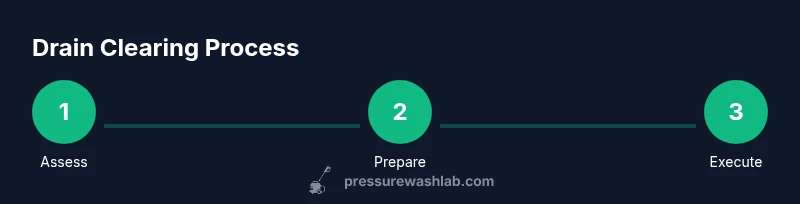
The goal is to apply focused, controlled pressure to mobilize the clog without exceeding the pipe’s tolerance. Start with a low-pressure setting or a gentle nozzle and observe how the flow changes. If water clears and drains smoothly, you’ve likely resolved the blockage. If resistance remains, you can progressively adjust pressure within safe limits and extend reach as needed. Always pause if you notice unusual sounds, leaks, or gurgling, and reassess before continuing.
Troubleshooting and what to do if the clog persists
If the drain remains clogged after a thorough pass, stop and switch to safer alternatives such as a manual drain snake or plunger. In some cases, the clog could be deeper in the line or caused by a solid object that a pressure washer cannot safely dislodge. Do not reuse aggressive chemicals in combination with the pressure washer, as this can create hazardous mixtures and damage the pipes. If in doubt, call a licensed plumber.
Maintenance after unclogging
Flush the line with clean water to clear any residual debris and inspect visible joints for leaks. Clean and store attachments properly to prevent rust or corrosion. Consider a preventive routine: regular flushes with plain water, using strainers to catch hair and solids, and periodic inspection of traps and cleanouts. This reduces the likelihood of repeated clogs and extends pipe life.
Pressure Wash Lab perspective: practical guidance and safeguards
Pressure Wash Lab recommends using this technique only for accessible, non-pressurized sections of piping and for minor clogs where the pipe material is known to tolerate moderate spray. Always test on a safe cleanout first and avoid forcing water into vents or sealed sections. The team emphasizes safety, gradual pressure increases, and keeping a clear exit path for expelled water to minimize splashback and mess.
Tools & Materials
- Pressure washer (electric or gas)(Choose a unit with adjustable pressure and nozzle options; avoid extreme power settings on fragile pipes.)
- Drain-specific nozzle or narrow spray tip(A tip that concentrates flow helps target the clog without broad spray.)
- Extendable wand or drain-cleaning hose(Increases reach and control when aiming at the drain opening.)
- Drain snake or auger (backup)(Useful if the clog resists, or if you need to probe deeper.)
- Protective gloves and safety goggles(Wear eye protection and gloves to guard against splash and debris.)
- Bucket, towels or absorbent mat(Catch splashes and keep the work area clean.)
- Cleanout access tools(If a cleanout is present, ensure you have the right tool to open it.)
Steps
Estimated time: 20-40 minutes
- 1
Assess pipe and clog
Identify the pipe material and locate the drain’s accessible access point. Confirm the clog is superficial and accessible with a spray nozzle. If the pipe looks old or compromised, stop and choose safer methods.
Tip: Test a small area first to avoid widespread damage. - 2
Prepare the area and safety gear
Put on PPE, clear the workspace, and ensure electricity and water supplies are safe. If there is a trap or cleanout, remove it only if you can do so safely.
Tip: Have a helper steady the drain area to prevent slips. - 3
Attach appropriate nozzle
Set up the pressure washer with a narrow spray tip and extension wand aimed toward the drain opening. Keep the spray at a controlled angle to avoid splashing back.
Tip: Start with the lowest effective pressure and increase gradually. - 4
Apply water in short pulses
Begin with gentle bursts to test responsiveness. Observe drain flow and listen for changes. If water hesitates or backs up, pause and re-evaluate.
Tip: Use intermittent bursts rather than a continuous stream. - 5
Increase reach and adjust technique
Gradually extend reach toward the clog while maintaining control. If the spray creates too much disturbance, back off and try another angle.
Tip: Avoid forcing water into sealed sections; look for obvious leaks first. - 6
Check flow and drain health
Run water to confirm that the drain clears and remains open. If slow drainage recurs, switch to backup methods and inspect for deeper issues.
Tip: Document any signs of pipe damage or leaks. - 7
Clean up and test again
Reconnect any removed traps, wipe down the area, and run several full cycles of water to verify stability. Keep monitoring for the next 24 hours.
Tip: Store attachments in a dry area to prevent corrosion.
Quick Answers
Is it safe to use a pressure washer on PVC pipes to unclog a drain?
PVC pipes can tolerate some external high-pressure cleaning, but you must use a low-to-moderate setting with a narrow nozzle and avoid aggressive angles. If there are any signs of cracks or weakness, stop and seek professional help.
PVC can tolerate some pressure wash, but start gentle and watch for leaks. If you see cracks, stop and call a pro.
What happens if I use too much pressure?
Excessive pressure can damage joints, seals, or the pipe wall and push the clog deeper. Always start with lower pressure and monitor flow before increasing.
Too much pressure can damage your pipes and push the clog further. Start low and go slow.
Can a pressure washer unblock a severe or deep clog?
Pressure washers are best for surface-level, minor clogs. Deeper or solid blockages may require professional tools or different approaches.
It’s usually not effective for deep or solid clogs; a plumber may be needed.
Should I use chemicals with a pressure washer?
Avoid mixing chemicals with high-pressure water, as reactions can create dangerous fumes or damage. Stick to water and mechanical clearing when using a pressure washer.
Don’t mix chemicals with the pressure washer; water alone is safer for this method.
What safety steps should I follow before starting?
Shut off water supply, disconnect power to outdoor outlets, wear PPE, and inspect the area for hazards. Use a helper to guide spray direction and keep others clear.
Turn off water and power, wear PPE, and have a helper supervise spray direction.
What should I do if the clog returns after cleaning?
If the clog recurs, it may indicate a deeper issue or a misalignment in the drain. Consider a professional inspection to prevent repeated blockages.
Recurring clogs may mean a deeper problem; a pro evaluation is wise.
Watch Video
Key Takeaways
- Assess pipe material and clog type before starting.
- Use protective gear and patch testing to minimize risk.
- Start with low pressure and increase gradually only if needed.
- Prefer drain-specific nozzles and extend reach for better control.
- If the clog persists or leaks appear, switch to backup methods or call a plumber.