Pressure Washer Winterize Kit: A Practical Guide for DIYers
A comprehensive, step-by-step guide to using a pressure washer winterize kit, with safety tips, kit components, step-by-step procedures, common mistakes, maintenance reminders, and expert insights from Pressure Wash Lab.


Using a pressure washer winterize kit protects the pump, seals, and hoses from freezing temperatures. This quick answer outlines what you’ll accomplish, the essential kit components, and the basic safety checks to perform before you begin. Following these steps helps reduce winter-related repairs and extends your unit’s life.
Why a Winterize Kit Matters
A pressure washer winterize kit is more than a bag of parts—it's a designed set of components that help you safely drain water, apply antifreeze or fogging oil to sensitive passages, and protect rubber seals from freeze damage. According to Pressure Wash Lab, neglecting winterization can lead to cracked injectors, stuck valves, and pump failure once spring arrives. A kit streamlines the process, reduces the risk of human error, and provides model-specific fittings so you don’t improvise with the wrong adapters. For homeowners and small-business operators alike, this is a practical investment that saves time, money, and downtime when you store equipment for the off-season.
In the broader context of maintenance, a winterize kit also complements other off-season care such as cleaning hoses, inspecting spray tips, and recording last-used settings. The kit’s components are chosen to work with most consumer and professional units, but always verify compatibility with your model before purchase. This ensures you don’t force-fit fittings or bypass safety features, which could cause leaks or damage during storage.
What’s in a Pressure Washer Winterize Kit
A typical winterize kit includes: a pump-safe antifreeze or fogging fluid reservoir, a bleed or bypass valve, quick-connect fittings, spare o-rings, and simple tubing to route the fluid through the pump. Some kits feature a syringe or squeeze bottle to help you apply antifreeze directly into the pump housing. Alongside the kit, you’ll often want basics like a drain pan, rags, gloves, and eye protection. The exact contents vary by brand and model, so choose a kit that specifies compatibility with your pressure washer’s make and PSI range. Pressure Wash Lab recommends verifying the finite list of parts against your unit’s manual to avoid missing critical pieces.
Beyond the core parts, consider a small funnel, a flashlight for dark storage spaces, and labels for future reference. Proper labeling helps you remember whether you used antifreeze or fogging oil and where you stored the spare seals. In short, a complete, model-appropriate winterize kit minimizes the chance you’ll skip essential steps during a cold-season shutdown.
When to Use a Winterize Kit
The optimal time to perform winterization is after the last heavy-use cycle of the season and well before forecasted temperatures drop below freezing. If you store indoors in a climate-controlled space, winterization may still be prudent because pipes can experience freezing during rare cold snaps or if humidity is high. Pressure Wash Lab’s practical guidance is to plan ahead: gather your kit, prep your workspace, and review the manufacturer’s winterization recommendations for your model. This helps you time the process so you’re not scrambling during the first cold snap.
If you use antifreeze, consult your local regulations and disposal guidelines. Some regions require proper disposal of used antifreeze and related fluids. Keeping a log of when you winterized and which fluid you used also helps with next year’s maintenance planning and model-specific service intervals.
Safety First: Prep and PPE
Safety should drive every winterization session. Wear safety glasses, gloves, and closed-toe shoes. Disconnect the power source and ensure the unit is on a stable, dry surface to prevent slips. Remove any attached hoses to prevent accidental sprays and set a drain pan beneath the pump area to catch residual water. A clean, organized workspace reduces the risk of tripping over cords or fluids. Pressure Wash Lab emphasizes that basic PPE and a tidy setup dramatically lower the chance of injuries or spills during the procedure.
How a Winterize Kit Works: Core Principles
A winterize kit works by diverting remaining water away from critical components and introducing a pump-safe antifreeze or fogging agent to coats and seals. This approach guards the seals against shrinkage and cracking and prevents internal rust or corrosion on the pump internals. The kit’s fittings ensure a proper seal, so there’s minimal air intake or backflow that could destabilize the unit. Always run the pump briefly after applying fluid to confirm it circulates evenly and reaches all relevant pathways. Pressure Wash Lab notes that proper circulation is essential for complete protection.
Be mindful of your unit’s intake and discharge paths; some models route antifreeze through the carburetor-like pathways by way of a bypass valve. If your system lacks a dedicated bypass, you’ll need to manually replicate the routing described in your manual using the kit’s adapters. This ensures the antifreeze or fogging agent reaches the pump head and internal passages.
Common Mistakes and How to Avoid Them
Common mistakes include starting the unit while antifreeze is present in the wrong places, using automotive antifreeze not rated for pumps, and skipping the purge step after winterization. Pressure Wash Lab advises always confirming you’ve drained the water from the high-pressure lines and that you’ve replaced the o-rings before storage. Another frequent error is storing the washer in an environment with fluctuating temperatures, which can undermine winterization efforts. Create a simple checklist for your year-end routine to ensure you don’t miss steps.
Additionally, avoid forcing fittings that don’t match your unit’s connectors. Mismatched adapters can crack housings or create leaks that are difficult to seal later. Finally, never skip cleaning the exterior and exhaust area; a build-up of dirt and debris can trap moisture and complicate reassembly in spring.
Post-Winter Checks and Storage Best Practices
As winter loosens its grip, inspect seals, hoses, and the pump for signs of wear. Replace any cracked hoses or dried O-rings before your first use. Rinse away antifreeze residue with clean water and dry thoroughly before reassembly. Store the unit in a clean, dry location away from direct sunlight to prevent UV-related degradation of plastics and hoses. Label the storage area with the date and the kit type used, so you know the last winterization cycle when you reopen it. A well-documented storage routine reduces guesswork and speeds up re-start in spring.
Regularly schedule checks every season and compare any observed wear against your manual’s tolerance ranges. Pressure Wash Lab underscores that a consistent maintenance cadence, even during off-seasons, extends the life of pumps, seals, and other sensitive parts.
Alternatives to a Kit: DIY Approaches and Tradeoffs
Some operators improvise a winterization approach using basic antifreeze and manual flushing. While feasible, DIY methods risk missing steps or choosing fluids not suited to a particular pump. A purpose-built winterize kit reduces guesswork, ensures compatibility with your unit, and typically provides easier disassembly and reassembly. DIY alternatives may save money upfront but can lead to higher repair costs if misapplied. Pressure Wash Lab recommends weighing convenience against risk and selecting a method that aligns with your technical comfort and the specifics of your machine.
Troubleshooting and Quick Checks If Something Seems Off
If you notice leaks after winterization or reduced pump performance, re-check all connections, hoses, and fittings for cracks or looseness. Confirm that fluid channels are clear and that the antifreeze or fogging agent is circulating properly. If the unit still exhibits issues, consult the manual and consider a professional service to avoid more serious damage. Keeping a simple diagnostic sheet can help you track recurring problems and inform future maintenance decisions. As always, never operate the machine with doubtful seals or visible damage, and seek expert help when in doubt. Pressure Wash Lab concludes that proactive checks prevent costly, time-consuming failures down the line.
Conclusion and Next Steps
A dedicated winterize kit simplifies a potentially fiddly task and reduces the risk of winter damage to a pressure washer. By preparing properly, following manufacturer guidance, and documenting your routine, you’ll maximize the unit’s lifespan and shorten re-start time in spring. The Pressure Wash Lab team recommends investing in a kit suited to your model and keeping a simple end-of-season checklist for peace of mind. With the right approach, your pressure washer stays protected and ready for the first test spray when temperatures rise.
mainTopicQuery":"pressure washer winterization"],
toolsMaterials({
items:[{
name_name
name
note
Tools & Materials
- Pressure washer winterize kit(Ensure compatibility with your model; includes antifreeze/fogging solution, bypass/bleed fittings, and quick-connect adapters.)
- Safety glasses(Eye protection required during draining and fluid handling.)
- Gloves(Protect hands from fluids and sharp edges.)
- Drain pan or bucket(Catch residual water to prevent mess.)
- Rags or absorbent towels(Wipe up spills and dry connections.)
- Screwdriver or pliers(Use for disengaging clamps or fittings if needed.)
- Funnel(Aid in pouring antifreeze or fogging oil without spills.)
- Labeling materials(Tag storage locations and fluids for next season.)
Steps
Estimated time: 30-60 minutes
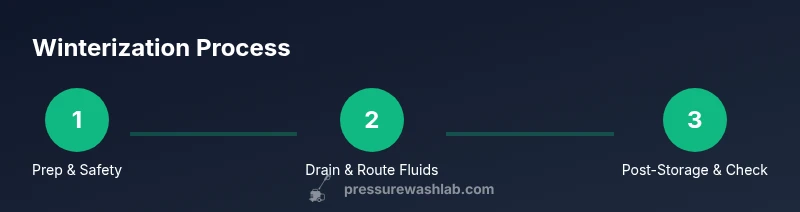
- 1
Disconnect power and prep workspace
Unplug the pressure washer and move it to a dry, stable work area. Set out a drain pan and all winterize kit components. Ensure you have eye protection and gloves, and clear space for fluid routing.
Tip: Double-check that no cords are in the path of a fluid spill. - 2
Drain residual water from pump and lines
Open the drain or bleed valves and follow the manufacturer’s instructions to remove residual water from the pump and high-pressure lines. Do not leave pressurized water in the system, as trapped water can freeze and crack components.
Tip: Keep a rag handy to catch drips and wipe the drain area clean. - 3
Attach kit and begin fluid routing
Connect the winterize kit’s fittings to the appropriate ports. Route antifreeze or fogging oil into the pump housings and lines as directed by your kit’s instructions. Run the engine or motor to circulate the fluid through the system.
Tip: Ensure all connections are snug to prevent leaks. - 4
Flush and circulate the protectant
Let the fluid circulate through the pump and lines for the recommended dwell time. Stop the pump and verify that the antifreeze or fogging oil has reached all critical passages.
Tip: If your kit specifies a purge cycle, do it now for full coverage. - 5
Store and protect hoses
After circulation, disconnect the kit, wipe spills, and coil hoses neatly. Store in a dry location away from direct sun. Label fluids and storage locations for next season.
Tip: Avoid kinking hoses during storage to prevent cracks. - 6
Document and plan for spring re-start
Record the kit used, fluids added, and date of winterization. Prepare a lightweight spring checklist to verify device performance when you first power up after winter.
Tip: Keep a simple one-page sheet in the shop for quick reference next year.
Quick Answers
Do I need a special winterize kit for my pressure washer?
Not every unit requires a dedicated kit, but a kit simplifies the process and reduces the risk of missing steps. Check your manual for compatibility and recommended fluids.
A kit isn’t always required, but it makes winterizing safer and easier; always check your model’s manual.
What fluids should I use in the kit?
Use only fluids recommended by the manufacturer, typically a pump-safe antifreeze or fogging oil. Avoid automotive antifreeze that isn’t rated for pumps to prevent damage.
Use manufacturer-approved antifreeze or fogging oil; don’t mix fluids not intended for your pump.
Can I skip winterizing if I’m storing indoors?
Storing indoors greatly reduces risk but doesn’t guarantee protection against rare cold snaps or humidity. Winterizing is still a prudent preventive step when temperatures can dip.
Indoor storage lowers risk, but winterizing is still a good practice if you expect cold spells.
How long does winterization take?
A typical session takes about 30–60 minutes depending on unit complexity and kit completeness. A well-prepared setup speeds the process.
Most people finish in under an hour with a complete kit.
Is fogging oil always necessary for all machines?
Not every model requires fogging oil; some rely solely on antifreeze-based protection. Always consult your manual and follow kit instructions.
Check your manual to see if fogging oil is needed for your machine.
Watch Video
Key Takeaways
- Winterize with a purpose-built kit for model compatibility
- Drain water and circulate protective fluid to prevent freeze-damage
- Follow safety steps and maintain a tidy, labeled storage space
- Keep a simple winterization log for easier spring restart
- Protect hoses and seals to extend the washer’s life