Should You Pressure Wash Before Painting: A Practical Guide
Discover when and how to pressure wash before painting, with practical steps, safety tips, and a clear prep plan from Pressure Wash Lab.


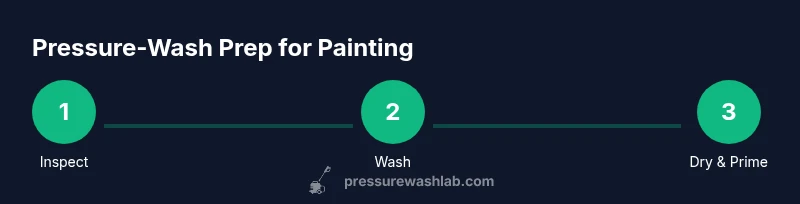
Yes—should you pressure wash before painting? In most exterior projects, the answer is yes. A clean, stable surface improves paint adhesion, reduces staining, and extends durability. Start with a low-pressure, wide-angle rinse to remove dirt, mildew, and loose coating. Test a small area, protect nearby plants, and allow surfaces to dry completely before priming.
Should You Pressure Wash Before Painting: Why Prep Matters
In exterior painting, the prep work is often the difference between a long-lasting finish and a paint that peels, chalks, or mildews prematurely. Should you pressure wash before painting? For most surfaces, the answer is yes, because a clean substrate ensures primer and paint bond properly. The Pressure Wash Lab team emphasizes that dirt, algae, and peeling coatings trap moisture and worsen adhesion problems. A thorough wash removes these contaminants and reveals any repairs or repairs needed before priming. Importantly, prep should consider surface type—wood, brick, stucco, vinyl—because each responds differently to cleaners and water pressure. The goal is a dry, sound surface with no remaining coatings that could jeopardize adhesion or create blotchy results. Remember: the surface should feel firm and dry to the touch before you apply primer.
Surface Cleaning, Contaminants, and Adhesion
Different contaminants require different approaches. Loose paint and chalky residue can hide deeper issues, while mildew or algae signals moisture problems. Pressure washing is not a one-size-fits-all task; it’s a surface evaluation that guides you to the right cleaning strategy. Pressure Wash Lab's analysis shows that combining gentle mechanical action with a suitable cleaner yields better adhesion than a high-velocity blast alone. For fragile substrates like older wood or vinyl, start with a broad spray and a soft brushing action to avoid gouging or damaging the surface. By prioritizing adhesion-friendly preparation, you set the stage for an even primer coat and a uniform topcoat.
Cleaning Strategy by Surface Type
Wood siding benefits from a soft wash that removes organic growth without splintering the substrate. Masonry and brick handle higher cleaning intensities, but you must protect mortar joints and avoid driving moisture into porous gaps. Stucco can crack if pressured too aggressively, so using a wider-angle nozzle and lower pressure is wise. For painted surfaces that have peeled, you may need to remove loose material manually before washing. The key is to balance cleaning power with surface integrity, ensuring any repairs are completed before painting.
Equipment and Methods: When to Use Soap vs. Water-Only
Most exterior prep starts with water and a mild cleaning solution. Some tasks benefit from a detergent designed for exterior use, especially on heavily soiled brick or wood with oily finishes. Always test a small area first to verify that the cleaner does not discolor or damage the substrate. A soft brush can help lift stubborn grime without abrading paint edges. After cleaning, a thorough rinse removes cleaning residues that could interfere with primer adhesion. If you’re unsure, consider a professional consultation to tailor the method to your surface type.
Drying, Timing, and Readiness for Primer
Even after a successful wash, moisture is a concern. The surface should be dry to the touch before priming; this often means waiting several hours to a full day depending on temperature, humidity, and sun exposure. A moisture meter can be a helpful tool, but simple cues such as coolness to the touch and a lack of dampness usually indicate readiness. Windy, sunny days accelerate drying, while high humidity slows it down. Avoid painting if rain is forecast within 24 hours, and always protect soil, plants, and features to prevent wash runoff from causing new issues.
The Role of Test Patches and Final Checks
Always perform a small patch test in a discreet area to confirm that the surface accepts primer and paint as expected. If adhesion seems poor or if there are visible signs of moisture beneath the surface, pause painting and re-evaluate the prep. Rewashing may be necessary when the surface still appears dirty or shows residual staining. A methodical approach—test, observe, and adjust—minimizes costly mistakes and ensures a smoother final appearance.
Tools & Materials
- Pressure washer with adjustable PSI(Use low-to-moderate pressure on fragile surfaces; avoid high-pressure directly on soft materials.)
- Spray nozzle tips (25° or 40° recommended)(Skip 0° for exterior cleaning to reduce risk of damage.)
- Mild exterior cleaner/detergent(Biodegradable and safe for plants; test for colorfastness on hidden area.)
- Soft-bristle brush or deck brush(Use for scrubbing stubborn stains without scratching finishes.)
- Masking materials (tape, drop cloths, plastic sheeting)(Protect plants, windows, outlets, and lighting fixtures.)
- Ladder or extension pole(Ensure stability and have a spotter when working on higher areas.)
- Personal protective equipment (gloves, goggles, waterproof footwear)(Protect eyes, skin, and feet from spray and cleaning solution.)
- Drying aids (towels or chamois)(Useful to speed up initial moisture removal in shaded areas.)
Steps
Estimated time: 2-5 hours
- 1
Assess the surface and plan safety
Inspect every area you intend to clean for loose paint, rot, or damage. Decide whether to wash, spot-clean, or repair before painting. Document concerns with photos so you have a reference during priming.
Tip: Create a simple pre-wash checklist to ensure you don’t miss repairs. - 2
Protect surrounding areas
Cover plants, windows, outlets, and lighting with tape and drop cloths. Secure hoses and ensure no water can run into vulnerable areas. Establish a safe workspace below and around the project.
Tip: Masking reduces cleanup time and protects landscaping. - 3
Test a small area and choose your setting
Select a discreet patch to test cleaner strength and spray distance. Start with broad, low-pressure spraying; increase gradually only if the area responds without edges lifting.
Tip: If you see lifted paint or gouges, back off pressure immediately. - 4
Rinse surfaces with a broad spray
Rinse from bottom to top to push dirt away from the surface. Hold the nozzle at a safe distance to avoid forcing water under siding or behind trim.
Tip: Keep spray in constant motion to prevent streaks. - 5
Apply cleaner and agitate stubborn stains
Apply cleaner to particularly dirty areas and scrub with a soft brush where needed. Do not let cleaner dry on the surface; re-wet if it begins to dry.
Tip: Focus on high-traffic areas like lower walls and corners. - 6
Rinse thoroughly and inspect for residues
Rinse until runoff is clear and free of cleaner residue. Check for remaining spots and repeat if necessary. Allow a surface to dry before testing readiness.
Tip: A clean surface is the best primer surface; residues impair adhesion. - 7
Drying time and readiness for primer
Wait until the surface is dry to the touch before applying primer. Drying time depends on humidity, temperature, and sun exposure; use the feel test and, if possible, a moisture meter.
Tip: Better to air out for longer than to rush and trap moisture.
Quick Answers
Do I always need to pressure wash before painting?
Not every surface requires a wash, but most exterior surfaces benefit from cleaning to improve adhesion and uniform appearance. If the area is minimally soiled and free of mildew, a light wipe or rinse may suffice. Always inspect for damage or loose material before deciding.
Most exterior projects benefit from cleaning, but inspect first to avoid unnecessary work.
What surfaces benefit most from washing before painting?
Wood, masonry, brick, and vinyl exteriors with dirt, mildew, or peeling coating benefit most. Surfaces with chalking or stains will show the greatest gains in primer adhesion and finish uniformity after washing.
Wood, brick, and vinyl exteriors see the biggest benefits after a wash.
How long should the surface dry after washing?
Dry time depends on temperature and humidity. Generally, wait until the surface is dry to the touch and there’s no damp feel before priming. On humid days, this can take several hours to a full day.
Wait until the surface feels dry to touch before priming.
Can I use hot water or steam for cleaning?
Hot water is not necessary for exterior cleaning and can risk damaging certain materials. Use cool or room-temperature water with a mild detergent, and avoid steam on delicate surfaces.
Hot water isn’t usually needed; stick with cool water and mild cleaners.
Power washing vs. pressure washing: what's the difference for painting prep?
Power washing often implies hotter water or a more aggressive approach. For painting prep, you generally want controlled pressure with wide-nozzle cleaning and a careful inspection to protect surfaces. Choose the method that cleans without causing damage.
Power washing can be harsher—use the gentler pressure for painting prep.
Watch Video
Key Takeaways
- Assess the surface and plan safety before washing.
- Use appropriate nozzle and moderate pressure.
- Rinse, apply cleaner, and agitate only where needed.
- Rinse completely and verify dryness before painting.
- Mask plants and protect surrounding areas.