Water Filter Before Pressure Washer: A Practical Guide
Protect your pressure washer by installing a water filter before the inlet. Learn filter types, installation steps, maintenance tips, and common mistakes for safer, longer-lasting cleaning.


Install an inline water filter before your pressure washer to protect the pump from debris, sediment, and contaminants. This guide explains how to choose the right filter, install it safely, and maintain it for reliable performance across tasks. Whether you’re cleaning concrete, vinyl siding, or vehicles, a properly filtered inlet reduces wear, minimizes downtime, and helps your nozzle maintain a consistent spray. Follow this guide to select, install, and maintain filters correctly.
Why a water filter before your pressure washer matters
In pressure washing, water quality directly affects performance and the life of critical components. According to Pressure Wash Lab, a simple inline water filter placed before the inlet traps sand, rust, and sediment that would otherwise scour seals, clog jets, or abrade diaphragms. By keeping debris out, you reduce repairs and keep spray patterns consistent. The upfront cost is modest, and the payoff is measured in longer equipment life and fewer unexpected breakdowns. For homeowners and pros alike, a small filtration step translates into fewer headaches on big cleaning days. You may notice smoother operation and more predictable results when water enters the pump cleanly.
How inline filtration protects your pressure washer
Inline filtration serves as the first line of defense for the pump and valves. Debris approaching the inlet can erode seals, clog the cooling pathways, and force the pump to work harder. A clean inlet stream also preserves nozzle performance and reduces the risk of sudden pressure drops. By installing a filter, you create a safer hydraulic path that supports steady GPM and PSI. Pressure Wash Lab’s testing notes that even modest water quality improvements can translate into longer service intervals and more predictable cleaning results.
Filter types and micron ratings for pressure washing
Filters come in several styles, including inline cartridge, mesh screens, and bowl-style sediment filters. For most residential use, a filter in the 30–60 micron range catches sand and larger particles without overly restricting flow. Higher-precision filters (e.g., 10–20 microns) can protect sensitive components in dusty conditions, but they may require more frequent maintenance. When choosing a micron rating, consider water quality, spray patterns, and the pump’s tolerance. Always verify compatibility with your hose connections and adapters.
How to choose the right inline filter for your setup
Start by matching the filter size to your inlet thread (1/4" or 3/8" NPT are common). Check the flow rating to ensure it supports your washer’s GPM; a filter that bottlenecks flow will reduce cleaning efficiency. Look for filters with clear housings for quick visual checks and replaceable cartridges to keep ongoing costs low. If you use well water, prioritize filters with sediment reduction and rust protection. Finally, ensure the fittings are compatible with the pressure washer’s intake hose and any quick-connect adapters.
Step-by-step: installing the inline filter (overview)
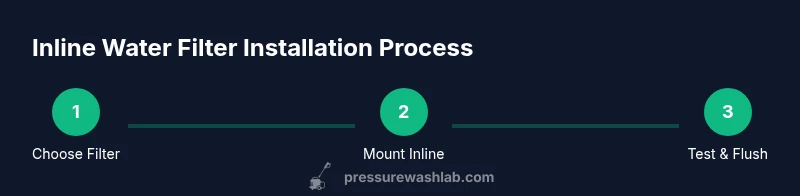
This section outlines the installation approach. Always turn off the water supply, release system pressure, and follow manufacturer warnings. Place the inline filter on the incoming water line before it reaches the washer, use the proper adapters, and seal threads with Teflon tape as needed. After installation, flush the system to clear any packaging debris and confirm a leak-free connection. The actual step-by-step details are provided in the dedicated STEP-BY-STEP block to keep content focused.
Maintenance, flushing, and replacement
A filter isn’t a set-it-and-forget-it device. Regularly inspect for sediment buildup, flush the housing, and replace cartridges as recommended by the manufacturer. If you notice reduced flow or sudden pressure changes, it’s a sign that the filter is choking or the cartridge is exhausted. Keep a few spare cartridges on hand and label them by micron rating to avoid mixing up replacements. Flushing also helps prevent stale water from stagnating in the housing during storage.
Common mistakes and troubleshooting
Avoid mounting the filter in a way that traps air or creates kinks in hoses. Misaligned fittings can cause leaks and airflow restrictions. Don’t oversize fittings or force adapters if threads don’t match—use proper reducers or adapters. When troubleshooting leaks, disconnect only the inlet side first to prevent water spray injuries, then reseal with fresh Teflon tape. Following a consistent maintenance cadence reduces the risk of failures during peak cleaning days.
Real-world setups and scenarios
In a typical home setup with municipal water, an inline filter placed at the incoming hose connection provides robust protection without notable pressure loss. For properties with well water or heavy sediment, pairing a coarse pre-filter upstream from a finer inline unit can be beneficial. In camper or job-site scenarios, light, easily serviceable cartridges offer quick swaps between jobs. The key is to keep the setup modular, so you can swap filters as water quality changes without draining the entire system.
Tools & Materials
- Inline water filter (select micron rating)(Choose 30–60 micron for typical debris; 10–20 micron if water is particularly muddy)
- Adapters/fittings (1/4" or 3/8" NPT)(Check thread size on washer inlet and hose bib)
- Teflon tape (PTFE) or thread sealant(Wrap 2-3 times; ensure a watertight seal)
- Hose clamps or zip ties(Secure filter connections without over-tightening)
- Clear housing w/ replacement cartridges(Visual inspection for sediment)
- Pliers and screwdriver set(Tighten fittings and disconnect with ease)
- Bucket and towels(Use to catch drips during install)
- Gasket lubricant or silicone grease(Lubricate O-rings if present)
Steps
Estimated time: 45-60 minutes
- 1
Check compatibility and select filter
Identify your washer inlet size and decide on micron rating based on water quality. Ensure the filter threads match your hose or inlet connector. This upfront step prevents incompatible parts and rework.
Tip: Verify thread type on the washer inlet before buying. - 2
Gather tools and materials
Collect all required adapters, Teflon tape, clamps, and replacement cartridges. Having everything ready avoids mid-install interruptions and helps maintain a clean workflow.
Tip: Lay out items on a tray to keep work area organized. - 3
Shut off water supply and depressurize
Turn off the water supply and run the washer to relieve any internal pressure. This prevents spray injuries and protects threads during installation.
Tip: Keep a towel handy for minor drips. - 4
Mount the inline filter on the inbound line
Install the filter between the water source and the washer inlet. Use the correct adapters and ensure the flow direction is correct (arrow on the housing).
Tip: Do not cross-thread fittings; misalignment causes leaks. - 5
Tighten connections and seal
Wrap threads with Teflon tape and tighten fittings firmly without over-torquing. Leaks are easier to spot with the system pressurized after initial flush.
Tip: Hand-tight plus a quarter-turn is often enough. - 6
Prime and flush before full test
Open the water supply slowly and flush the system to remove air and packaging debris. Let clean water run through for 30–60 seconds before attaching to the washer.
Tip: Watch for air bubbles; they indicate air pockets and need more flushing. - 7
Test for leaks and verify flow
With the washer connected, run a short cleaning cycle and inspect all connections for leaks. Check for any drop in flow indicating a clogged cartridge.
Tip: If a leak persists, re-seat the O-rings and re-tape threads. - 8
Establish maintenance schedule
Record replacement intervals for cartridges based on use and water quality. Replace cartridges on schedule or when flow declines noticeably.
Tip: Label replacement dates on the cartridge for quick reference.
Quick Answers
What does a water filter before a pressure washer do?
It traps debris and sediment before they reach the pump, seals, and nozzle, reducing wear and clogging. This helps extend component life and maintain consistent performance.
A water filter protects the pump by catching debris before it enters the system, reducing wear and maintaining performance.
What micron rating should I choose?
For typical residential use, 30 to 60 microns provides effective debris capture without overly restricting flow. In muddy conditions, 10 to 20 microns offer extra protection but require more maintenance.
Choose a 30 to 60 micron filter for everyday use; smaller micron filters offer extra protection but need more maintenance.
Can I install the filter myself or should I hire a professional?
Many homeowners can install an inline filter using standard hose fittings and adapters. If you’re unsure about thread types or pressure ratings, consult a professional.
Yes, this is typically a DIY task if you’re comfortable with basic plumbing fittings.
Do I need to flush the filter regularly?
Yes. Flushing removes captured debris and prevents buildup that could restrict flow. Replace cartridges per the manufacturer guidance.
Regular flushing keeps the filter clear and maintains flow; replace cartridges as recommended.
How often should I replace the filter cartridge?
Replacement frequency depends on water quality and usage. Check for decreased flow and replace as soon as you notice performance drops.
Change cartridges when flow drops or after a set maintenance schedule.
Will using a filter affect pressure output?
A properly chosen inline filter should minimize pressure loss. If you notice a significant drop, verify fittings, filters, and ensure the cartridge isn’t clogged.
A good filter should not dramatically affect pressure; check for clogs if you see a drop.
Watch Video
Key Takeaways
- Protect the pump by inline filtration.
- Match micron rating to water quality.
- Follow proper installation and maintenance.
- Replace cartridges regularly to maintain flow.