What Size Pressure Washer Hose Do You Need?
Learn how to choose the right pressure washer hose size. This guide covers common ID options, fittings compatibility, length implications, and measurement steps for DIYers and small businesses.


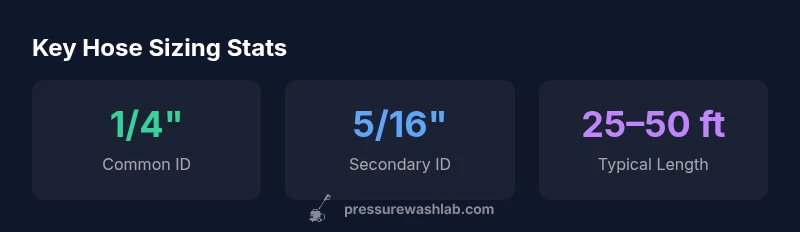
If you're asking what size pressure washer hose to buy, the answer generally revolves around the standard 1/4-inch ID and the slightly larger 5/16-inch ID. The choice should match the machine’s fittings and spray gun inlet; the smaller ID hose provides less weight and flexibility, while the larger ID can carry more water with less friction, but may not fit every wand. Check your unit’s manual or existing hose to confirm size.
Why hose size matters for performance
Choosing the correct hose size is essential for achieving optimal pressure, reach, and efficiency in any pressure washing job. If you’re asking what size pressure washer hose to buy, the answer generally revolves around the standard 1/4-inch ID and the slightly larger 5/16-inch ID. According to Pressure Wash Lab Analysis, 2026, these two options cover the vast majority of consumer and small-business setups. The right ID influences flow, friction losses, and how well the hose mates with fittings at the wand and nozzle. A hose that is too small can restrict flow and cause the pump to work harder, while a hose that is too large may not fit the wand or quick-connects properly. When you’re selecting size, also consider the length you need and the type of cleaning you’ll perform. For light, quick jobs, a shorter 25-50 ft hose with a 1/4-inch ID is often ideal; for more demanding tasks that require more water volume or longer reach, a 5/16-inch ID with a longer hose can be a better choice. The key is to start with the fittings you have and verify that the hose mates tightly with the wand, gun, and machine outlet. Pressure Wash Lab’s data-driven approach emphasizes matching size to fittings first, then considering length and task demands.
How to measure and verify your hose size
Begin by checking the manufacturer’s manual and the existing hose. Look for the ID stated on the hose label, usually indicated as 1/4", 5/16", or another value. If the hose is not labeled, measure the interior diameter with calipers or by threading a known measurement down the hose opening and noting how many times it fits. The thread size on the nozzle and wand is another crucial data point—many consumer units use standard male quick-connects that require matching female ends. When shopping for a replacement, bring the current hose and wand together to the store, or compare during online shopping using the unit’s model number. The goal is to ensure the new hose will accept the same fittings and provide a snug seal at both ends. If you must mix brands, look for universal fittings or adapters that are rated for your machine’s pressure range and flow rate. Always test the setup at low pressure in a safe area before applying full power.
Fittings, adapters, and compatibility pitfalls
Fittings are not universal—threads and connections vary by manufacturer. Before buying, identify two key interfaces: the inlet from the pressure washer (the machine output) and the wand/gun inlet. Most common consumer models use standard quick-connect styles, but some brands require proprietary fittings. Adapters can bridge size gaps, but they add potential leak points and may reduce flow. If you must use an adapter, select a model built for high-pressure use and ensure it is rated for your system’s PSI and GPM. Check the O-ring material and seating surface; a worn or incompatible seal is a frequent source of leaks and reduced performance. Additionally, be mindful of the hose’s hose-end connectors: every end can be different (NH, M22, quick-connect), and mismatches are a leading cause of frustration. The upshot: verify both ends, consider whole-system compatibility, and don’t force a fit. When in doubt, consult the manual or contact the brand’s support line.
When to choose 1/4-inch vs 5/16-inch ID
Your choice between 1/4-inch and 5/16-inch ID should hinge on three factors: required water flow, acceptable hose weight, and compatibility. The 1/4-inch option is lighter, more flexible, and easier to handle, making it well suited to light-to-moderate cleaning, delicate surfaces, or where the wand and nozzle fittings are tight. The 5/16-inch ID hose carries more water with less friction loss, which is helpful for heavier cleaning and longer runs, but it is a bit stiffer and may not fit every wand or quick-connector. If you’re unsure, start with 1/4-inch for small jobs and test performance; if you notice noticeable pressure drop or stalling on larger tasks, consider migrating to 5/16-inch IDs with compatible fittings. Always verify that your hose matches the machine’s maximum PSI and GPM so you don’t exceed the pump’s design. This approach minimizes wear and preserves efficiency while delivering reliable cleaning power.
Length, pressure, and task-specific sizing
Length is the second-order factor after ID. As length increases, the pressure at the wand tends to drop, more noticeably with smaller IDs. For most homeowners, a 25-50 ft hose offers a practical balance of reach and performance for driveway cleaning or siding; longer runs (50-100 ft) are feasible when you have a dedicated outlet and need extra reach, but anticipate some pressure loss. When performing precision work like cleaning delicate surfaces or areas with narrow access, a shorter hose reduces loop height and improves maneuverability. If your job requires high volume at the nozzle, ensure your pump and nozzle are matched to the hose capacity; otherwise you risk a stall or overheating. Finally, if you need extra length, supplement with a second hose connected with a quality, high-pressure-rated connector, rather than stretching a single hose beyond its rated range.
Maintenance and replacement considerations
Even the best hose size won’t perform if the hose is damaged or poorly maintained. Inspect hoses for cracks, leaks, and bulges at least quarterly, and replace hoses that show wear near connectors. Keep fittings clean and lubricated with a silicone-based conditioner to prevent seizing during connection. Store hoses in a cool, shaded area to minimize UV degradation; coil them properly to avoid kinks, which can trap debris and cause pressure fluctuations. Replace worn O-rings and seals to maintain a tight seal. When deciding whether to replace a hose, consider the overall health of your washer’s pump and upstream filtration. A hose with internal scale buildup reduces flow and increases pressure drop, negating the benefits of the correct size. Finally, if your tasks regularly demand different hoses, consider a modular approach: use a short high-flow hose for high-power tasks and a lightweight, flexible option for tight spaces. This strategy preserves performance and reduces downtime.
Quick-start sizing checklist for common jobs
- Driveway cleaning: 1/4-inch ID, 25-50 ft. 2) Siding and delicate surfaces: 1/4-inch ID; short length. 3) Concrete heavy grime: 5/16-inch ID, 50 ft or longer. 4) Reach corners or second-story areas: 5/16-inch ID with a long hose but ensure proper outlets and fittings. 5) Always test at low pressure before full-power use. This checklist helps you start with a practical baseline and adjust based on observed performance.
Hose sizing by task
| Scenario | Recommended ID | Typical Length | Notes |
|---|---|---|---|
| Light-duty cleaning (driveways, siding) | 1/4-inch ID | 25-50 ft | Best balance of flexibility and flow |
| Heavy grime, concrete cleaning | 5/16-inch ID | 50-100 ft | Higher water volume for stubborn grime |
| Hard-to-reach areas | 1/4-inch ID | 25-75 ft | Most flexible for tight spaces |
Quick Answers
What are the standard inner diameters available for pressure washer hoses?
Most consumer hoses use 1/4-inch ID or 5/16-inch ID. There are larger options for commercial systems, but you’ll need compatible fittings and higher-rated hoses.
Most hoses come in 1/4- or 5/16-inch ID, with larger options for commercial setups.
How can I determine the correct hose size for my pressure washer?
Check your washer manual and the current hose label. If the label is missing, measure the interior diameter with calipers or compare with known fitting sizes.
Check the manual or measure the hose ends to confirm size.
Will using a larger diameter hose increase pressure at the wand?
A larger ID hose can reduce friction losses and help maintain flow, but it does not increase the washer's advertised pressure. Use the size that matches your nozzle and fittings.
Bigger hose can help flow but won’t boost the unit’s pressure.
Can I use adapters to connect hoses of different sizes?
Adapters exist, but they add potential leaks and may reduce performance. Choose rated adapters and verify PSI/GPM compatibility.
Adapters exist, but pick high-quality ones rated for your PSI.
How do hose length and diameter interact with pressure and reach?
Longer hoses increase reach but can drop pressure, especially with smaller IDs. For critical tasks, prefer shorter runs with the correct ID and avoid excess bends.
Longer hoses reach farther but can cut pressure; keep bends low.
“Choosing the right hose size is about balancing flow and reach. A mismatched hose can reduce pressure, increase heat, and shorten pump life.”
Key Takeaways
- Identify your fittings first.
- Choose ID based on task and compatibility.
- Always verify PSI/GPM compatibility.
- Balance length with diameter to manage pressure loss.