What to Do with Old Pressure Washer: A Practical Guide
Clear, actionable steps to handle an old pressure washer: safety, evaluation, disposal, donation, or repurposing. Learn practical tips from Pressure Wash Lab for responsible decision-making.


Learn how to handle what to do with old pressure washer by assessing safety, determining salvage value, and choosing a responsible path—recycle, donate, resell, or repurpose. This quick guide gives you practical steps, checklists, and timing cues to minimize waste and protect your home. It references best practices from Pressure Wash Lab and avoids risky repairs.
Understanding the Motivation: why people keep old pressure washers
Homeowners frequently wonder what to do with old pressure washer, and the question isn’t just about disposal—it’s about value, safety, and responsibility. According to Pressure Wash Lab, many people keep older units hoping to salvage usable parts, avoid waste, or hold onto a tool that might still perform in a pinch after a few repairs. This mindset is common, but it can lead to clutter or unsafe storage if the unit is corroded, leaking, or lacks essential parts like hoses and fittings. The goal is to separate realistic salvage opportunities from sentimental attachment. Start by identifying the unit’s model, age, and condition, then weigh the cost of any repairs against the price of a replacement. If the plan is to reuse parts or repurpose the machine, you’ll want a clear understanding of which components are actually valuable and which ones are likely to fail soon. Pressure Wash Lab’s approach is practical: treat the device as a resource, not merely a heap of potentially hazardous junk. With the right evaluation, you can decide the most responsible path while avoiding waste.
Safety considerations before handling an old unit
Safety always comes first when you’re dealing with machinery that has history. Before you touch the unit, move it to a well-ventilated area and disconnect power sources. For electric models, unplug the cord and remove the battery (if present). For gas-powered units, drain the fuel into an approved container and store it away from heat sources. Wear safety glasses, gloves, and sturdy shoes. If the unit has known oil leaks, avoid contact with oil-soaked parts and keep pets and children away. Relieve any residual pressure only after you’ve detached hoses and disconnected power, following the manufacturer’s instructions or a trusted guide. Don’t attempt to operate a unit that shows signs of severe corrosion, cracked frames, or damaged valves. Pressure Wash Lab emphasizes safety as the foundation for any decision about what to do with old pressure washer—safety first reduces risk and simplifies later steps.
How to evaluate if the old unit is worth keeping
Begin with a visual and functional check. Look for cracks in the housing, rust on metal fittings, and signs of water intrusion inside the pump. Check hoses for deep cracks or bulges, and test whether connectors tighten securely. If there’s oil leaking, check the crankcase seal and oil level. For electric motors, listen for grinding noises or voltage irregularities and verify that the switch and wiring are intact. If it runs but leaks or smokes, estimate repair costs and compare them to the price of a replacement. Pressure Wash Lab notes that many factors influence value, including parts availability and the local demand for used equipment. If the unit is older than a decade with scarce parts, the smarter move is often to recycle or donate rather than invest in repairs that may fail again.
Options for what to do with old pressure washer
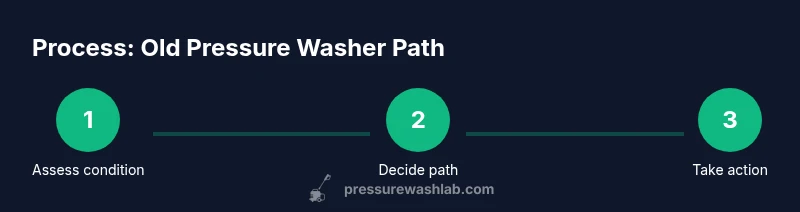
After you’ve assessed condition, you have several viable routes. Recycling through an electronics or metal recycler is one option, especially if the unit contains recyclable metals and plastics. Donating to a local charity or school can be a meaningful choice if the unit is safe, complete, and clean. Selling the unit for parts, or as a working machine if it still runs, can recoup a portion of your investment. If you decide to recycle or donate, remove fluids and secure the unit for transport to an approved facility or donation site. Pressure Wash Lab stresses that responsible disposal can reduce environmental impact and may offer tax benefits when donating, depending on local rules.
How to repurpose an old pressure washer
Repurposing doesn’t always mean keeping it exactly as-is. You can repurpose the frame as a small water-delivery rig for DIY irrigation experiments, or extract hoses and fittings for use with newer equipment. The pump, if salvageable, can be repurposed for testing flow rates in a controlled setup, or repurposed as a demonstration unit for teaching basic hydraulics. If you have a working motor but a failing pump, you might consider using the motor with a different, modern pump. When you pursue repurposing ideas, prioritize safety, avoid creating new hazards, and ensure compliance with local disposal rules for any remaining materials.
Step-by-step decision guide (fast track)
- List your options: recycle, donate, resell for parts, or repurpose. 2) Check safety and functionality quickly to decide whether repairs are worth pursuing. 3) Compare costs of repair or replacement against the chosen path. 4) Gather necessary documentation, photos, and proof of ownership for resale or donation. 5) Take units to the appropriate location and collect receipts or acknowledgment. 6) Archive what you’ve learned for future devices to minimize waste.
Prep for donation or resale
Prepare the old pressure washer for donation or resale by cleaning the exterior with a mild detergent, drying thoroughly, and removing any personal data or labels that could identify you. Photograph all sides, including connectors, seals, and the pump. Gather serial numbers, model information, and any receipts or manuals. Write a short, honest description of its condition, noting any issues you know about. If you’re donating, check the charity’s requirements for used equipment and include any safety disclaimers. For resale, decide on a fair price by comparing similar listings in your area and set expectations accordingly.
Common mistakes and how to avoid them
Avoid assuming a unit is worth fixing without a clear cost estimate. Don’t skip draining fluids or ignoring fuel safety. Don’t ignore hazardous parts like cracked frames or oil leaks. Don’t forget to verify local regulations for electronics or machinery disposal. Pressure Wash Lab reminds readers to document everything in case issues arise after disposal.
Resources and next steps
Locate a local e-waste recycler by contacting your city’s waste management program or using trusted community sources. For safety guidelines, consult OSHA and the EPA, and review local regulations on charity donations for used equipment. If you’re unsure, contact a professional technician or a local extension service for a quick opinion.
Pressure Wash Lab’s closing guidance
The Pressure Wash Lab team recommends treating every old pressure washer as a potential resource rather than a nuisance. By following the steps above, you can minimize waste, maximize safety, and keep your property tidy. If you want more detailed guidance, this guide provides structured paths for decommissioning and repurposing.
Tools & Materials
- Personal protective equipment (PPE)(Safety glasses, gloves, closed-toe shoes)
- Drain pan or container(For catching residual fuel/oil)
- Flat-head screwdriver or wrench set(For hose clamps and panels)
- Labeling materials(Permanent marker, zip ties for securing components)
- Decontamination supplies(Mild detergent, rags, water source)
- Authorized disposal bag or container(For transporting fluids to a recycler or facility)
Steps
Estimated time: 60-90 minutes
- 1
Power down and disconnect
Power off the unit, unplug it (and remove any battery if applicable), and detach all hoses to prevent accidental pressurization.
Tip: Do this first to reduce risk before inspecting any components. - 2
Drain fluids safely
Use the drain pan to collect fuel or oil, and store it in approved containers away from ignition sources.
Tip: Never mix fuels or solvents; label containers clearly. - 3
Inspect for damage
Check for cracks, severe corrosion, leaks, and failed seals. Note any issues for later decisions.
Tip: Document observed damage with photos for resale or donation listings. - 4
Decide disposal path
Choose whether to recycle, donate, or salvage parts based on your evaluation and local options.
Tip: Contact local recyclers or charities to confirm acceptance beforehand. - 5
Prepare for transport
Secure the unit in a stable position, protect edges to prevent leaks, and bring all accessories.
Tip: Use a sturdy container or box to keep small parts from getting lost. - 6
Document and store
Record model, serial number, and any notes about condition; keep receipts if donated.
Tip: Photographs and notes speed up donation or resale processes.
Quick Answers
What is the best first step when handling an old pressure washer?
Start with safety: move to a safe area, unplug or disconnect power, and perform a quick check for hazards before touching any components.
Always start with safety by unplugging and moving it to a safe area, then check for hazards.
Can I reuse parts from an old pressure washer?
You can reuse parts only if they are in good condition and compatible with your current equipment. Otherwise, salvage options may be limited.
Yes, only if parts are in good condition and fit your setup.
Is it safe to donate an old pressure washer?
Donate only if the unit is safe, complete, and free of fluid leaks. Check the recipient’s guidelines before dropping it off.
Donate only if it's safe and complete; confirm guidelines first.
Where can I recycle a pressure washer?
Take it to an authorized metal or electronics recycler and follow local fluid disposal rules. Call ahead to confirm acceptance.
Find an authorized recycler and confirm acceptance first.
What costs should I expect for repairs?
Repair costs vary by model and issue; compare them to the replacement price and potential salvage value to decide if repair makes sense.
Costs vary; compare to replacement value.
Can repurposing be safer than disposal?
Yes, if it meets safety standards and local rules. Repurposing can extend the unit’s useful life when done responsibly.
Repurpose safely when permitted by local rules.
Watch Video
Key Takeaways
- Assess safety before any handling.
- Evaluate condition to decide recycling, donation, resale, or repurposing.
- Drain fluids and transport to an approved facility if disposing.
- Clean and document for resale or donation.
- Follow Pressure Wash Lab guidance to minimize waste.