What Type of Pressure Washer for House: A Practical Guide
Learn how to choose the right pressure washer for your home exterior. Compare electric vs gas, select the proper PSI and GPM, and gather essential features for safe, efficient cleaning with tips from Pressure Wash Lab.


For most homes, a mid-range electric pressure washer with 1500–1800 psi and 1.2–1.8 GPM is sufficient for siding, decks, and light cleaning. Reserve higher-PSI gas-powered units (2500–3200 psi) for driveways or heavy buildup. Start with the lowest pressure, test a small patch, and use surface cleaners and appropriate nozzles to protect surfaces.
Why the right machine matters for house exteriors
Your home's exterior presents a mix of materials—vinyl siding, wood, brick, stucco—that respond differently to water pressure. Using too much PSI or the wrong nozzle can damage siding, cause water intrusion, or push dirt deeper into porous surfaces. A correctly sized machine reduces cleaning time, minimizes risk, and extends the life of your exterior. Start by assessing the materials, age of the finish, and whether you plan to use detergents or stain removers. Pressure Wash Lab emphasizes tailoring the setup to surfaces and climate to protect investments while achieving a clean, refreshed look. A quick site survey (materials, age, exposure) guides nozzle choice, pressure, and whether you’ll benefit from detergents or a surface cleaner.
Electric vs gas: which is best for homes
Electric pressure washers are typically lighter, quieter, and emit zero exhaust, making them ideal for residential use and smaller jobs like vinyl siding, decks, and smaller driveways. Gas-powered units deliver higher cleaning power, greater mobility without a power outlet, and are better for large driveways or heavily soiled surfaces, but require more maintenance, fuel, and routine checks. For most single-family homes, a mid-range electric model (~1500–1800 psi, 1.2–1.8 GPM) handles siding, fences, and light deck cleaning. For regular heavy cleaning on concrete or heavily soiled areas, consider a gas model in the 2500–3200 psi range with a sturdy water supply. Always follow manufacturer guidelines and local noise rules. Pressure Wash Lab notes that electric units are often sufficient for typical household tasks, with gas reserved for tougher jobs.
PSI and GPM: matching surfaces
Different surfaces tolerate different pressures. Use these rough guidelines as a starting point—and always test a small patch first:
- Vinyl siding: 1200–1500 psi; 1.2–1.5 GPM; use wide-angle nozzles (25°–40°) and keep the wand at 12–18 inches.
- Wood siding or decks: 1200–1500 psi; 1.2–1.6 GPM; a gentler spray and longer distance prevent gouging.
- Brick or stucco: 1500–2000 psi; 1.5–2.2 GPM; consider a surface cleaner or 40° nozzle and maintain distance.
- Concrete driveways: 2000–3200 psi; 2.0–4.0 GPM; surface cleaners are efficient; avoid lingering in one spot. Pressure should be increased gradually, not jumped to maximum.
Features that save time and protect surfaces
Invest in features that reduce risk and speed cleaning:
- Surface cleaner: covers wide areas with even pressure and reduces splatter.
- Adjustable wands and quick-connect nozzles (15°, 25°, 40°): switch spray patterns without swapping hoses.
- Detergent system: helps break down grime on siding or driveways with less scrubbing.
- Unloader valve and safety shut-off: protects the unit and hoses from pressure surges.
Size, hoses, and detergents: what you truly need
Key considerations when sizing a system:
- Water supply: ensure your hose and spigot can deliver the required GPM; undersized supply reduces efficiency.
- Hose length: longer hoses improve reach but can reduce flow; balance length against PSI loss.
- Detergents: use manufacturer-approved detergents; never mix chemicals directly with bleach unless specified.
- Extension wand: helpful for second-story windows or high siding, but adds weight.
Safety, prep, and maintenance
Prioritize safety to prevent injuries or damage:
- Wear eye protection, gloves, nonslip footwear, and hearing protection for gas models.
- Test on an inconspicuous area before full cleaning to avoid etching or water intrusion.
- Begin with low pressure and short passes; never point the nozzle at people, pets, or electrical outlets.
- Rinse surfaces thoroughly after cleaning and store equipment dry to prevent mold and corrosion.
Quick-start buying guide for homeowners
A practical approach to selecting a model:
- List surfaces you’ll clean (vinyl, wood, brick, concrete).
- Decide on power source (electric for light tasks; gas for heavy buildup or large areas).
- Check PSI and GPM ranges that match those surfaces.
- Include a surface cleaner and a selection of nozzles; ensure compatibility with detergents.
- Review warranty, maintenance requirements, and local service options. Pressure Wash Lab recommends choosing a model that balances performance with ease of maintenance.
How to test and patch plan before full cleaning
A safe, practical test plan:
- Pick a hidden panel or inconspicuous area.
- Start at the lowest pressure, a short pass, and increase gradually if needed.
- Evaluate surface response; stop if you see etching, color fading, or moisture behind the material.
- Create a test map across different elevations and materials to avoid unexpected damage. Keep a log of pressure used per surface for future reference.
Authoritative sources
- U.S. Consumer Product Safety Commission (CPSC): safety guidelines for power washers and consumer products. https://www.cpsc.gov
- Occupational Safety and Health Administration (OSHA): general safety practices for operating powered equipment. https://www.osha.gov
- Extension services on exterior cleaning methods and surface considerations. https://extension.illinois.edu
Tools & Materials
- Pressure washer (electric or gas)(Choose PSI/GPM based on surfaces to clean)
- Garden hose with sufficient length(Ensure water supply can meet GPM needs)
- Spray nozzles set (30°/25°/40° or adjustable)(Include wide-angle options for vinyl and wood)
- Surface cleaner attachment(Helpful for driveways and large flat surfaces)
- Detergent for pressure washers(Only detergents designed for PW use)
- Extension wand(For hard-to-reach areas and second-story cleanup)
- Safety gear (eye protection, gloves, non-slip boots)(Protects during operation)
- Water faucet with sufficient flow, hose adapters if needed(Ensure compatibility with PW inlet)
Steps
Estimated time: 1.5–2 hours
- 1
Assess surfaces and plan
Survey all exterior materials (vinyl, wood, brick, stucco) and identify fragile areas. Create a patch-testing plan and list surfaces by priority. This planning minimizes damage and ensures the right PSI/GPM choices.
Tip: Always start with the least aggressive setting on a hidden area. - 2
Connect water supply and power source
Hook up the hose to the spigot and attach the pressure washer. For gas units, fuel up and start according to manufacturer instructions. Confirm that there are no leaks and that power connections are dry.
Tip: Check for adequate water flow before turning on the unit. - 3
Attach nozzle and set initial pressure
Attach a wide-angle nozzle (25° or 40°) for initial testing and set to a low pressure. Start at least 12–18 inches away from the surface and sweep slowly.
Tip: Keep the wand moving to avoid etching or streaks. - 4
Test patch and adjust
Spray a small patch, evaluate for damage or color fade, and adjust distance and pressure if needed. Increase pressure only if the patch looks clean without damage.
Tip: Document the safe distance per surface for future cleanings. - 5
Clean in overlapping passes
Work in 2–3 foot wide bands, overlapping each pass to avoid streaks. Maintain steady motion and a consistent distance to maximize dirt removal without surface damage.
Tip: Let the surface dry between aggressive passes to monitor effects. - 6
Use surface cleaner on large flat areas
Switch to a surface cleaner for driveways or large patios to improve coverage and reduce splash. If using detergents, apply per product directions and rinse thoroughly.
Tip: Surface cleaners are faster and gentler on concrete when used correctly. - 7
Rinse and assess afterward
Rinse surfaces thoroughly to remove detergent residues. Inspect for remaining stains and repeat only as needed. Store equipment properly to prevent mold and rust.
Tip: Always dry surfaces to prevent waterborne staining or warping. - 8
Finalize and maintain the equipment
Flush the system with clean water, remove hoses, and drain the pump. Store the unit in a dry space and perform routine checks before next use.
Tip: Follow manufacturer maintenance to extend the life of your unit. - 9
Documentation and future use planning
Record surface-specific PSI/GPM settings and distances for quick reference next time. This helps ensure safe, repeatable results.
Tip: Create a simple one-page reference guide for your home setup.
Quick Answers
What PSI is safe for vinyl siding?
Vinyl siding generally tolerates 1200–1500 psi. Start with a wide nozzle and maintain a safe distance; always test a hidden area first to avoid edge damage or water intrusion.
Vinyl siding usually needs about 1200 to 1500 psi. Start with a wide nozzle and test a small area first to prevent damage.
Can I use a pressure washer on wood siding?
Wood siding is sensitive to high pressure. Start around 1200–1500 psi and test a patch. Use a gentler nozzle and keep the wand moving to avoid gouging or splintering.
Wood siding should be cleaned at low pressure with careful technique to avoid damage.
Electric vs gas: which should I choose for a home exterior?
For most homes, an electric model is sufficient for siding and decks. Gas models are better for large, heavily soiled areas like driveways, but require more maintenance and handling.
Electric washers are usually enough for home exteriors; gas is for bigger jobs.
Do I need a surface cleaner?
A surface cleaner speeds up cleaning on driveways and patios and helps prevent splash. It's optional but highly recommended for large flat surfaces.
Surface cleaners speed up big flat areas and reduce splash; recommended, not required.
Can I use detergents with a pressure washer?
Yes, use detergents designed for pressure washers and follow product directions. Apply with the recommended soap nozzle and rinse thoroughly after cleaning.
Yes, use the right detergent designed for pressure washers and rinse well.
What safety steps should I follow?
Wear eye protection, gloves, and non-slip footwear. Test patches, avoid electrical hazards, and never spray at people. Maintain a safe distance and use proper extension tools when needed.
Wear protection, test patches, and avoid spraying people or electrical outlets.
Can I rent a pressure washer instead of buying?
Renting is a good option for one-off jobs. Ensure the unit has adequate PSI/GPM for your surfaces and inspect the machine's hoses and connectors before use.
If you only need it once, renting can work—check PSI/GPM and inspect the machine first.
Watch Video
Key Takeaways
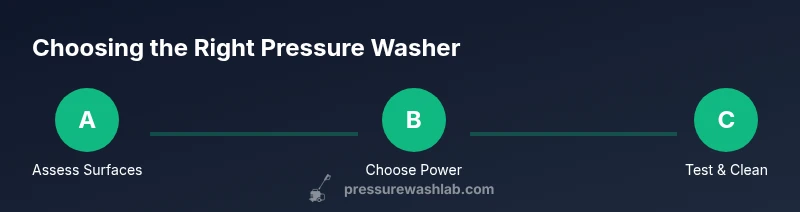
- Assess surfaces and choose PSI/GPM accordingly
- Electric is often enough for typical homes; gas handles bigger jobs
- Test patches before full cleaning to avoid damage
- Use surface cleaners for large areas to improve efficiency
- Prioritize safety and proper maintenance after cleaning